Recovery Without Shame: Embracing Addiction Services That See the Whole Person

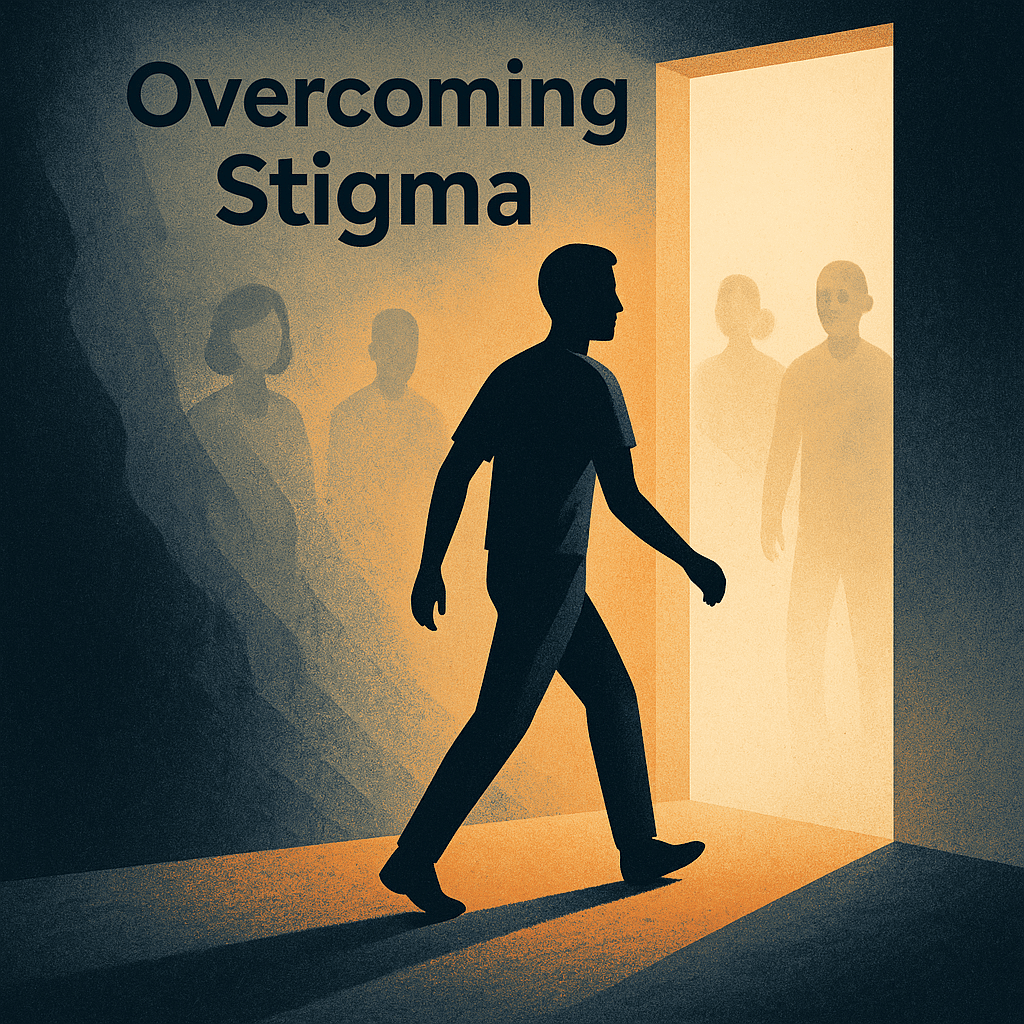
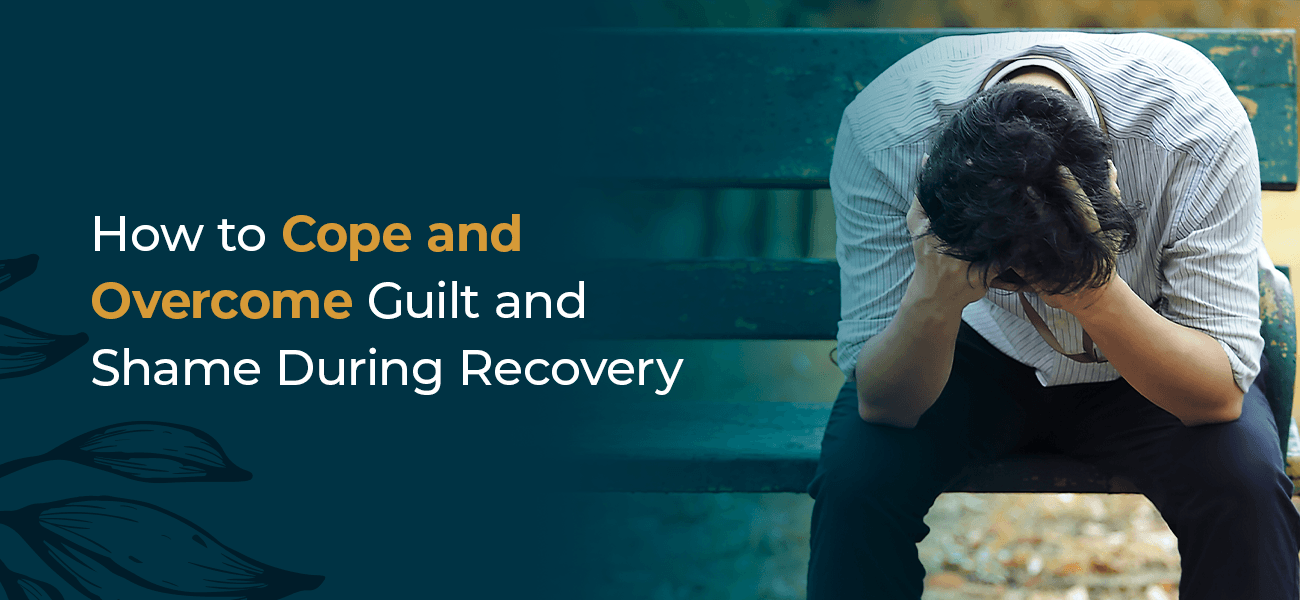
Addiction and mental health challenges often carry an invisible burden: shame. Many people delay seeking help because they fear judgment, misunderstanding, or being reduced to a label. At The Social Challenge, recovery begins by removing shame from the conversation. Healing happens most effectively when individuals are treated with dignity, compassion, and respect, and when care focuses on the whole person, not just the symptoms. Recovery without shame is not only possible, it is essential for lasting change.

Why Shame Is a Barrier to Recovery

How Stigma Impacts Help-Seeking

Shame can silence people who are struggling with substance use or mental health conditions. When addiction is viewed as a moral failure instead of a complex health issue, individuals may internalize blame and avoid reaching out for support. This delay often allows conditions to worsen, affecting physical health, relationships, and emotional well-being.

By addressing addiction as a treatable condition and mental health as a vital part of overall wellness, recovery services can replace fear with hope. Compassionate care encourages individuals to seek help earlier and engage more fully in treatment.

Seeing the Person Beyond the Struggle

Every individual who walks through the doors of a treatment center brings a unique history, strengths, beliefs, and goals. Effective addiction recovery services recognize that no one is defined by their past or their diagnosis. At The Social Challenge, treatment begins with understanding who a person is, not what they have been through.

What It Means to Treat the Whole Person

Holistic Healing for Mind, Body, and Spirit

Addiction and mental health challenges affect every area of life. That is why holistic recovery approaches are so impactful. Holistic care addresses emotional health, physical wellness, mental clarity, and spiritual needs. This may include therapy, wellness practices, healthy routines, and opportunities for personal growth.

Faith-based options provide additional support for those who draw strength from spirituality. Faith can offer comfort, purpose, and motivation, helping individuals reconnect with hope during difficult moments of recovery.

Individualized Treatment Plans That Respect Your Journey

No two recovery journeys look the same. Personalized treatment plans ensure that care meets each individual’s specific needs and circumstances. Whether someone benefits most from inpatient treatment, outpatient programs, or a combination of services, individualized care allows for flexibility and responsiveness.

This approach also recognizes co-occurring conditions. Mental health treatment is often an essential part of addiction recovery, and addressing both together leads to stronger, more sustainable outcomes.

Creating Safe Spaces Through Compassionate Care

Inpatient and Outpatient Support Without Judgment

Safe, supportive environments are critical for recovery. Inpatient programs offer structured, immersive care for individuals who need focused support, while outpatient services provide flexibility for those balancing treatment with daily responsibilities. In both settings, a nonjudgmental atmosphere fosters trust and openness.

When people feel safe sharing their experiences, they are more likely to engage in therapy, develop coping skills, and build confidence in their recovery process.

The Role of Community and Connection

Recovery is not meant to be experienced alone. Peer support, group therapy, and family involvement help individuals feel understood and supported. These connections remind people that they are not isolated and that others have walked similar paths.

Community-based care also helps challenge stigma by normalizing conversations around addiction and mental health. When stories are shared with honesty and respect, shame begins to lose its power.

Practical Steps Toward Shame-Free Recovery

  • Choose treatment providers who emphasize respect, dignity, and personalized care.
  • Seek programs that address both addiction and mental health together.
  • Engage in holistic practices that support physical and emotional wellness.
  • Lean into supportive communities that encourage growth rather than judgment.

A Path Forward Rooted in Respect and Hope

Recovery without shame is not about ignoring challenges. It is about approaching them with compassion, understanding, and evidence-based care. At The Social Challenge, addiction recovery services are designed to see the whole person, honoring their experiences while empowering them to build a healthier future.

If you or someone you love is struggling with addiction or mental health concerns, you do not have to face it alone. Reaching out for help is a courageous step, and the right support can make all the difference. Contact The Social Challenge today to begin a recovery journey grounded in respect, holistic healing, and lasting hope.
When Kindness Leads: Building a Culture of Compassion in Mental Health Treatment

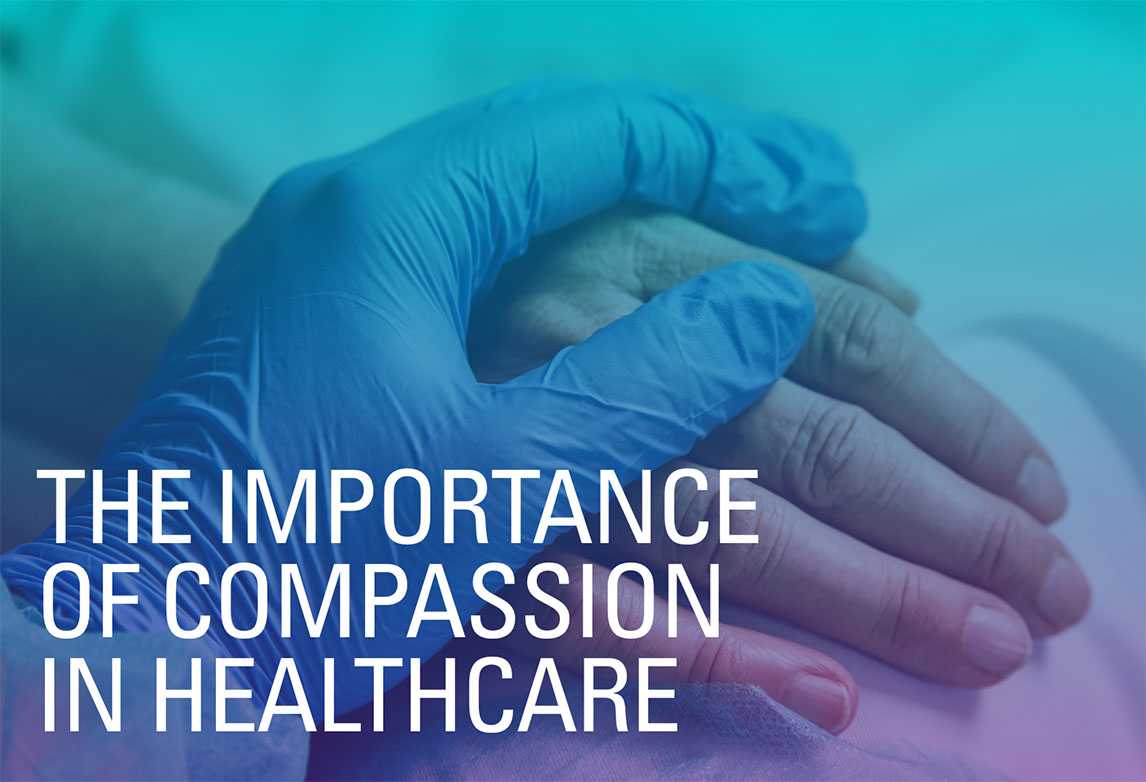
Mental health challenges and addiction are often accompanied by stigma, misunderstanding, and judgment. These barriers can prevent individuals from seeking the help they need and make recovery feel like a lonely journey. At The Social Challenge, we understand that kindness and compassion are not just values—they are powerful tools that transform care. By prioritizing empathy and respect in mental health treatment, we help individuals feel seen, heard, and supported, creating a foundation for lasting recovery.

The Importance of Compassion in Mental Health Care

How Judgment Hinders Recovery

Judgment and stigma can create emotional barriers that keep individuals from accessing treatment. Words and attitudes that convey blame or shame may cause someone to hide their struggles, delay seeking help, or disengage from care. This not only slows recovery but also contributes to isolation, anxiety, and depression.

By replacing judgment with kindness, we provide space for healing. Compassion communicates acceptance, understanding, and encouragement, helping clients take the courageous steps necessary for recovery.

Understanding the Person Beyond the Diagnosis

Every individual is unique, with a story, strengths, and potential that extend beyond their mental health challenges. Viewing someone only through the lens of their diagnosis limits the ability to provide effective care. At The Social Challenge, we prioritize person-centered treatment, ensuring that clients are seen as individuals with intrinsic value, not defined by their struggles.

Integrating Compassion into Treatment

Holistic and Faith-Based Approaches

Healing goes beyond addressing symptoms. Our holistic programs focus on mind, body, and spirit. Therapies may include mindfulness, wellness practices, nutrition, and life skills, all designed to strengthen resilience and improve overall well-being.

For those seeking spiritual guidance, faith-based programs offer a framework for hope, meaning, and purpose. Integrating spirituality into recovery fosters inner strength and helps clients reconnect with their values, enhancing long-term success.

Individualized and Flexible Care

No two recovery journeys are alike. Our inpatient and outpatient programs are tailored to meet each person’s specific needs. By customizing treatment plans, we honor the unique experiences of each client, ensuring care is both practical and empowering. This individualized approach, grounded in compassion, increases engagement and improves outcomes.

Building a Compassionate Community

Peer and Family Support

Recovery thrives in environments where people feel connected. Peer support groups, family involvement, and mentorship programs provide safe spaces for clients to share experiences, learn coping strategies, and build trust. These supportive networks reduce isolation and reinforce the message that no one needs to navigate recovery alone.

Shifting Societal Perspectives

Communities play a critical role in shaping attitudes about mental health and addiction. Promoting empathy, understanding, and awareness helps dismantle stigma. Encouraging open dialogue, using person-first language, and celebrating progress rather than judging mistakes cultivates a culture where recovery is recognized and valued.

Practical Steps to Lead with Kindness

  • Listen actively. Offer attention and empathy without judgment.
  • Use respectful language. Focus on the person, not their condition.
  • Educate yourself and others. Understanding mental health reduces fear and misinformation.
  • Encourage community involvement. Support local programs and initiatives that promote compassionate care.

Kindness as a Catalyst for Healing

Kindness is more than an attitude—it is a vital component of effective mental health treatment. At The Social Challenge, compassionate care, holistic approaches, and faith-based guidance empower individuals to overcome addiction and mental health challenges. By fostering empathy, understanding, and inclusion, we help clients rediscover hope, resilience, and purpose.

If you or a loved one is struggling, reach out today. Together, we can build a culture of compassion where recovery is possible, stigma is diminished, and every person is supported on their journey toward lasting wellness.

Changing Conversation, Changing Lives: Why Our Approach to Addiction Matters

Addiction is often misunderstood, shrouded in judgment, and framed as a personal failing rather than a complex health condition. This perspective perpetuates stigma and can prevent individuals from seeking the help they need. At The Social Challenge, we recognize that the way we talk about and approach addiction profoundly impacts recovery outcomes. By fostering compassionate, individualized care that integrates holistic and faith-based approaches, we not only treat the condition but also empower people to reclaim their lives with dignity, hope, and purpose.

Why Language and Perspective Matter

Moving Beyond Stigma

The words we use and the assumptions we make shape recovery. Terms like “addict” or “substance abuser” reduce people to their struggle, overlooking their strengths and humanity. Stigmatizing language can create shame, isolation, and fear—barriers that often prevent someone from seeking treatment.

Shifting the conversation to one that emphasizes person-first language—such as “a person in recovery”—reminds individuals that addiction is just one aspect of their life, not their identity. It also helps families, communities, and healthcare providers foster understanding, empathy, and support.

Understanding Addiction as a Health Condition

Addiction is a chronic medical condition influenced by genetics, brain chemistry, environment, and life experiences. Recognizing this reality changes the way we treat it. At The Social Challenge, our team approaches each person holistically, addressing the mental, physical, and spiritual dimensions of recovery. This perspective reduces shame, builds resilience, and encourages long-term success.

Holistic and Faith-Based Recovery

Healing the Whole Person

Recovery is more than stopping substance use—it is rebuilding a life. Holistic programs incorporate therapy, mindfulness, nutrition, life skills, and wellness practices to help individuals restore balance and strengthen coping mechanisms. By focusing on the whole person, we support lasting recovery that encompasses mental, emotional, and physical health.

Faith as a Source of Strength

For many, spirituality provides a foundation of hope, purpose, and guidance. Faith-based programs at The Social Challenge integrate spiritual exploration and reflection into the recovery process. This approach helps individuals reconnect with their values, develop inner strength, and find meaning beyond their struggles.

Personalized Care for Lasting Results

Individualized Treatment Plans

Every recovery journey is unique. Our programs—offered through both inpatient and outpatient care—are tailored to meet each person’s specific needs, challenges, and goals. Personalized care ensures that treatment is effective, relevant, and empowering.

Building a Supportive Community

Recovery thrives in connection. Peer support groups, mentorship, and community involvement create a network of encouragement where individuals feel seen, heard, and supported. This sense of belonging reinforces motivation, reduces isolation, and strengthens long-term recovery outcomes.

Changing Lives Through Conversation

Education and Advocacy

Changing the narrative around addiction starts with education and awareness. By openly discussing addiction as a treatable health condition, we reduce fear, challenge misconceptions, and normalize seeking help. Communities that embrace these conversations foster environments where recovery is possible, supported, and celebrated.

Encouraging Compassionate Action

Everyone can contribute to shifting the conversation. Listening without judgment, offering support, and advocating for accessible treatment programs all help break down barriers. Small acts of empathy and understanding have the power to change individual lives and entire communities.

Take the First Step Toward Recovery

At The Social Challenge, we know that compassionate care, holistic practices, and faith-based guidance can transform lives. By changing the conversation about addiction, we open doors for hope, healing, and long-term recovery.

If you or a loved one is struggling with addiction, reach out today. Together, we can break stigma, rebuild confidence, and create a path toward lasting wellness.

The Hidden Cost of Judgment: Why Stigma Stops Recovery and How We Can Stop It

Addiction and mental health challenges are already difficult battles. Yet, many individuals face an additional obstacle: social stigma. Judgment from society, family, or peers can make people feel isolated, ashamed, and reluctant to seek help. At The Social Challenge, we know that stigma is more than just an attitude—it has real consequences on recovery outcomes. By understanding its impact and embracing compassionate, individualized care, we can break the cycle of shame and create an environment where healing is possible.

Understanding the Impact of Stigma

How Judgment Blocks Recovery

Stigma sends a message that individuals struggling with addiction or mental health issues are flawed, weak, or responsible for their condition. This perception can lead to self-blame, secrecy, and avoidance of treatment. People may delay seeking help for months or years, allowing problems to escalate. In some cases, stigma contributes to depression, anxiety, or relapse, making recovery even more challenging.

Societal judgment not only affects the individual but also their families and communities. It creates fear and misunderstanding, discouraging open conversation and preventing supportive networks from forming.

The Psychological Toll

When individuals internalize stigma, it can significantly affect their self-esteem and motivation. Feeling “less than” or “unworthy” can lead to feelings of hopelessness. Over time, this emotional weight hinders progress in therapy, participation in support groups, and adherence to treatment plans. Recognizing stigma as a barrier is essential to creating a more effective recovery journey.

How Compassion and Community Drive Healing

Shifting the Narrative

One of the most powerful ways to combat stigma is by changing the way we talk about addiction and mental health. Using person-first language—such as “a person in recovery” instead of “an addict”—reminds us that people are more than their struggles. Highlighting stories of resilience and recovery also helps challenge negative stereotypes.

The Role of Community Support

Recovery thrives in supportive environments. Family involvement, peer support, and compassionate communities reinforce the idea that individuals are not alone. At The Social Challenge, our programs integrate group therapy, mentorship, and community engagement to create safe spaces where clients feel seen and valued.

Holistic and Faith-Based Approaches to Overcoming Stigma

Treating the Whole Person

Addressing addiction and mental health requires more than just clinical intervention. Holistic approaches at The Social Challenge combine therapy, wellness practices, mindfulness, and life skills training to empower individuals. By caring for the mind, body, and spirit, clients develop resilience and confidence to face challenges without shame.

Faith-Based Support

Spirituality can provide strength, purpose, and perspective in recovery. Faith-based programs offer a supportive framework that fosters hope and inner growth. Integrating faith into treatment helps clients build a sense of meaning beyond their struggles, encouraging long-term recovery and self-acceptance.

Practical Steps to Reduce Stigma

Communities and individuals can take meaningful action to help break stigma:

  • Listen without judgment. Provide space for honest conversation and support.
  • Educate yourself and others. Understanding addiction and mental health reduces fear and misconceptions.
  • Use respectful language. Words shape perception and influence recovery environments.
  • Promote access to care. Encourage treatment options and support programs for those in need.

Even small efforts can make a significant difference in creating inclusive, stigma-free spaces for recovery.

Moving Forward with Hope

Stigma is a hidden cost that can derail recovery and prolong suffering. By replacing judgment with empathy, understanding, and support, we can help individuals overcome addiction and mental health challenges. At The Social Challenge, our faith-based, holistic, and individualized programs provide the tools, guidance, and community clients need to reclaim their lives.

If you or someone you love is struggling, reach out today. Together, we can break the chains of stigma, foster hope, and create a path to lasting recovery.