Mental illness affects millions of people worldwide, yet it remains one of the most misunderstood and stigmatized aspects of human health. From anxiety and depression to bipolar disorder and schizophrenia, mental health conditions are often met with silence, judgment, or fear. For those living with mental illness, this stigma can be as painful and debilitating as the illness itself. It isolates people, discourages treatment, and reinforces a culture where suffering is hidden instead of healed. To truly support mental well-being, we must break free from this stigma and create a society that values openness, compassion, and understanding.
The Weight of Stigma
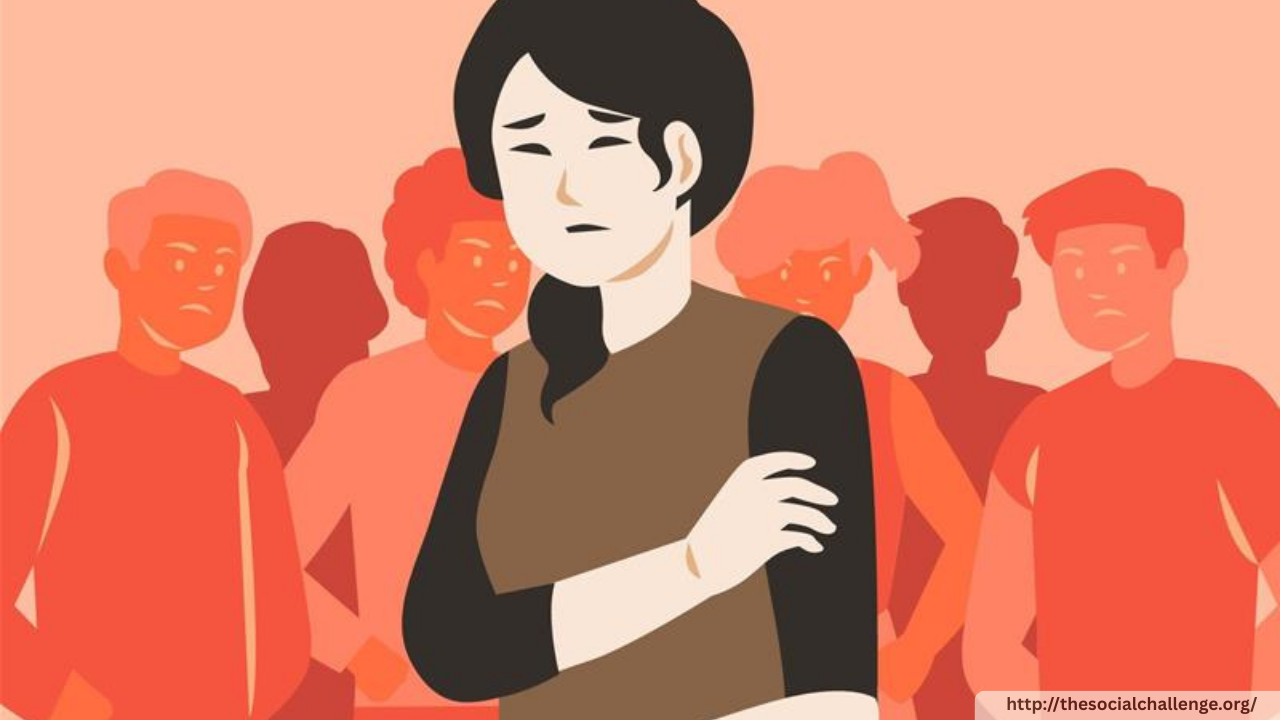
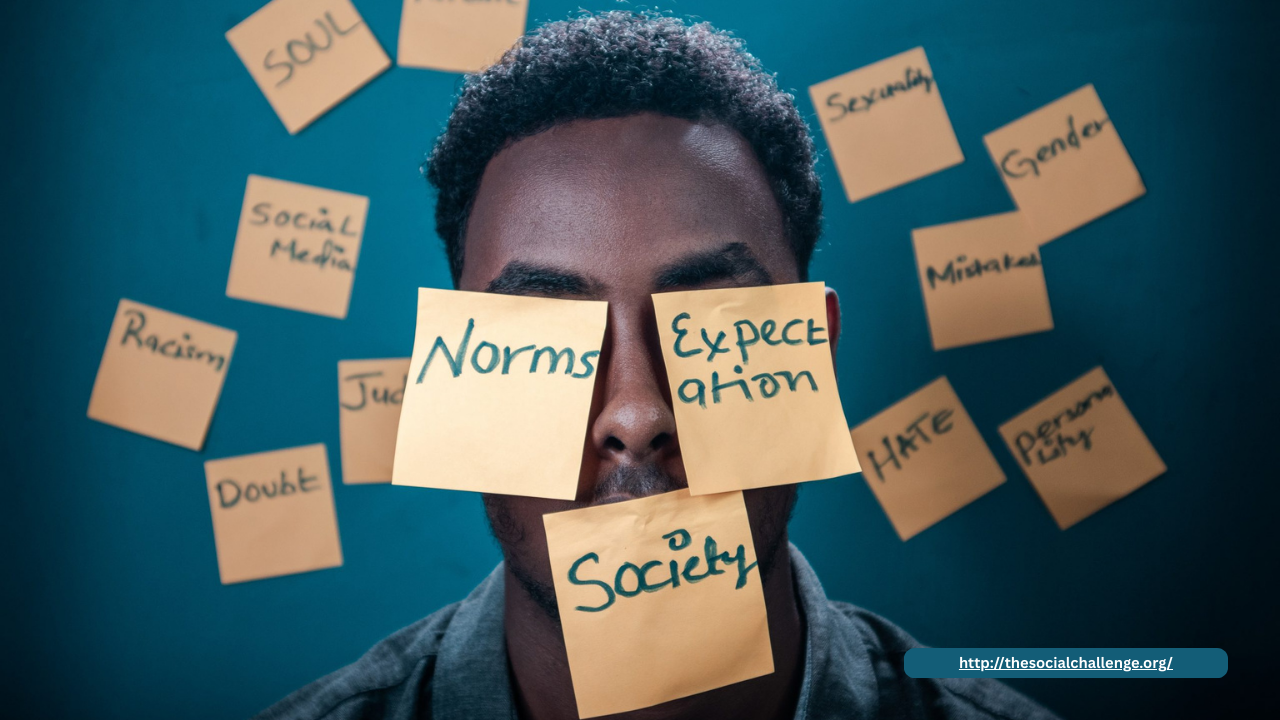
Stigma surrounding mental illness comes in many forms—social, institutional, and internal. Social stigma includes the stereotypes and prejudices people face when they disclose a mental health condition. It can sound like, “Just get over it,” “You’re being dramatic,” or “You don’t look sick.” These dismissive comments may seem minor, but they reinforce harmful ideas that mental illness is not real, or not serious.
Institutional stigma is reflected in how our systems treat mental health. Many healthcare systems are underfunded, workplaces often lack mental health support, and laws sometimes fail to protect those with psychiatric conditions. Meanwhile, internalized stigma—the shame and guilt individuals feel about their diagnosis—can lead to silence, isolation, and reluctance to seek help.
The Impact of Staying Silent
Because of stigma, many people choose to suffer in silence. They may fear losing their job, damaging relationships, or being seen as “weak” or “unstable.” This silence is dangerous. It delays diagnosis, prevents early treatment, and can lead to worsening symptoms or even suicide.
Mental health conditions, like physical illnesses, require attention and care. When left untreated, they can interfere with every part of a person’s life—relationships, work, physical health, and sense of self. The more we keep mental illness in the shadows, the more harm we allow it to cause.
Breaking the Silence Through Conversation
The first step in dismantling stigma is talking about mental health openly and honestly. When people share their stories of living with mental illness, it humanizes the issue. It shows that mental health conditions can affect anyone—regardless of background, income, or lifestyle. These conversations create connection and let others know they are not alone.
Encouraging dialogue at home, in schools, at work, and in the media can shift public perceptions. Language matters too—saying “a person with depression” instead of “a depressed person” reminds us that people are not defined by their diagnosis.
Education and Empathy Are Key
Educating ourselves and others about mental health can combat the myths and misinformation that fuel stigma. Understanding that mental illnesses are brain-based conditions—not personal failures—helps replace judgment with empathy. Schools and workplaces should provide mental health training and promote environments where mental wellness is prioritized.
Building a Supportive Society
Breaking free from the stigma of mental illness means building a culture of compassion and inclusion. It means offering support without judgment, pushing for accessible mental health care, and celebrating courage over silence. When we normalize seeking help, we open the door to healing.
Mental illness is not a weakness, and no one should have to struggle in silence. By choosing empathy and advocacy, we can help turn a silent struggle into a shared journey toward recovery and hope.