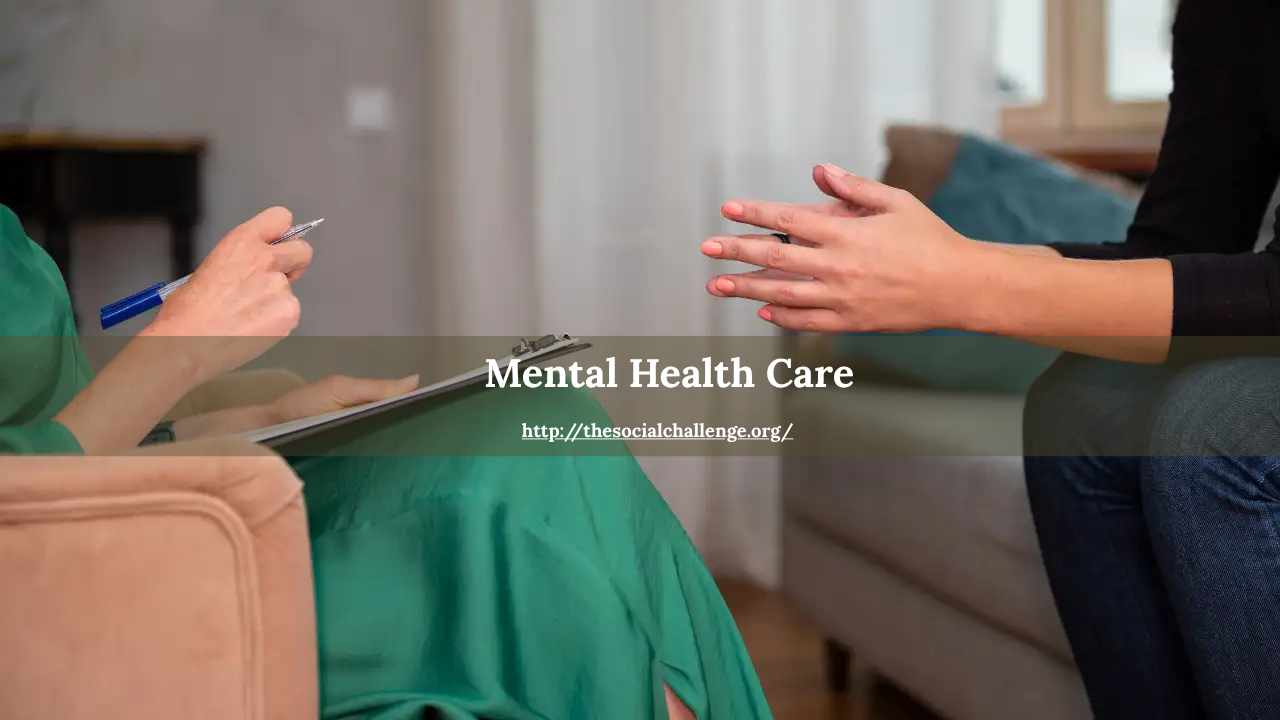
Beyond the Label: Embracing Humanity in Mental Health Care

In a world that increasingly recognizes the importance of mental health, one crucial truth remains often overlooked: individuals are more than their diagnosis. Too frequently, people facing mental health challenges are reduced to clinical labels—“depressed,” “bipolar,” “schizophrenic”—as if a single word could capture the depth of their identity, experience, and worth. These labels, while useful in medical contexts, can unintentionally strip individuals of their humanity. True progress in mental health care begins when we look beyond the label and embrace the whole person.

The Problem with Labels

Medical diagnoses are necessary for treatment, but when used carelessly, they can reinforce stigma and limit understanding. A label can quickly become a judgment, casting a shadow over someone’s abilities, personality, and potential. It can create distance between individuals and those around them, especially when the public associates mental health terms with fear, unpredictability, or danger.

This reductionist view can also affect how people see themselves. When someone internalizes a diagnosis as their identity, it may lead to shame, hopelessness, or self-doubt. Instead of feeling empowered to seek help, they may withdraw or hide their struggles, further worsening their condition.

Seeing the Person, Not the Disorder

Mental health care should begin with one powerful principle: every person deserves to be seen, heard, and valued beyond their condition. Behind every diagnosis is a human being with unique stories, strengths, and dreams. By focusing on the whole person rather than just the symptoms, care providers and loved ones can offer more meaningful support and foster true healing.

This person-centered approach requires empathy and genuine connection. It means listening without judgment, offering kindness instead of criticism, and recognizing that a person’s worth is not diminished by their struggles. A supportive environment that prioritizes dignity and respect can make all the difference in a person’s recovery journey.

Transforming Mental Health Culture

To embrace humanity in mental health care, society as a whole must evolve. This includes shifting from a problem-based model to a recovery-oriented one—where treatment is about building a fulfilling life, not just managing symptoms. Mental health professionals, educators, employers, and community members all have a role to play in this transformation.

Training in trauma-informed care, cultural sensitivity, and compassionate communication can equip providers to better serve diverse populations. Meanwhile, media and public discourse should highlight stories of resilience, creativity, and recovery, challenging the stereotypes that still persist.

The Power of Compassionate Connection

When we look beyond the label, we open the door to connection. We begin to understand that mental illness is only one part of a person’s life—not the whole story. Compassionate care is about walking beside someone in their journey, not diagnosing them from a distance. It’s about creating a world where people feel safe, supported, and empowered to heal.

In the end, embracing humanity in mental health care is not just about improving systems—it’s about honoring the dignity of every individual. Because healing happens not in isolation, but in connection—with understanding hearts and open minds leading the way.
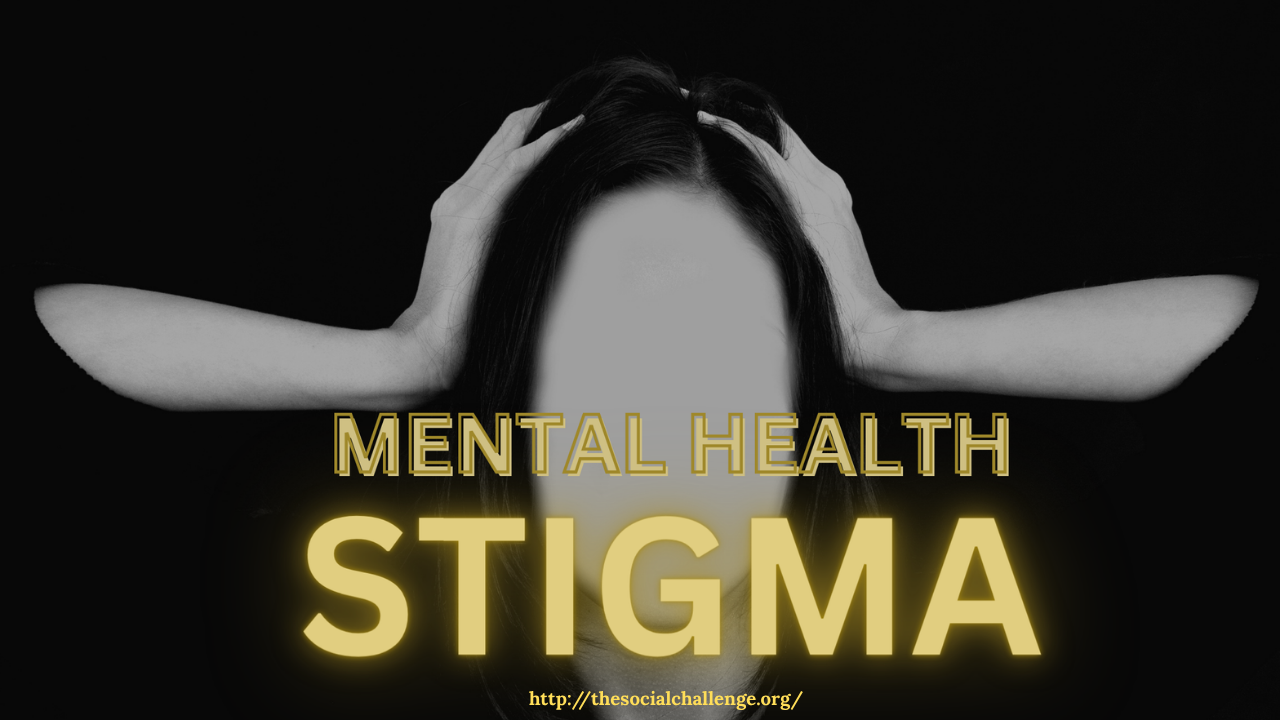
Turning the Tide: How We Can Shift Public Attitudes Towards Addiction and Mental Disorders

Addiction and mental health disorders are among the most pressing health issues of our time, yet they remain surrounded by stigma, misinformation, and social judgment. For decades, people facing these challenges have been viewed through a lens of blame and shame, often labeled as weak, dangerous, or hopeless. This harmful mindset prevents many from seeking help and fuels cycles of silence and suffering. However, there is hope for change. By turning the tide of public attitudes, we can create a more supportive, educated, and compassionate society where healing and recovery are possible for all.

Understanding the Problem of Stigma

Stigma is a powerful social force that can isolate individuals struggling with addiction or mental illness. It often starts with misunderstanding—many still believe that addiction is a moral failing or that mental disorders are signs of personal weakness. These misconceptions lead to prejudice, discrimination, and exclusion. People living with these conditions may face rejection from family members, friends, workplaces, and healthcare providers. This rejection reinforces feelings of guilt, shame, and loneliness, making recovery even more difficult.

Stigma also impacts the broader healthcare and legal systems. Instead of being treated with the care they need, many individuals are punished, ignored, or left without access to affordable, effective treatment. Changing public attitudes is crucial for reversing this trend.

The Role of Education and Awareness

Education is the foundation of changing perceptions. When the public learns that addiction is a brain disease and that mental health disorders are medical conditions, attitudes begin to shift. It’s important to replace outdated myths with facts. Addiction is not simply about poor choices; it is a chronic illness that alters the brain’s chemistry and behavior. Likewise, mental disorders like depression, anxiety, and bipolar disorder are not character flaws—they are health issues that require treatment and support.

Schools, workplaces, and media platforms should promote mental health literacy and provide training on how to recognize signs of addiction and mental illness. Public awareness campaigns can highlight the reality of recovery, share stories of resilience, and emphasize the importance of seeking help early.

Normalizing Conversations

Open dialogue is a powerful way to break the silence around addiction and mental health. When people share their personal stories, they humanize these issues, showing that anyone can be affected regardless of background or status. Conversations about mental health should be as normal as discussions about physical health. This creates safe spaces for people to express their struggles without fear of judgment.

Promoting Compassionate Policies

To truly shift public attitudes, communities and governments must support policies that treat addiction and mental illness with care, not punishment. This includes improving access to treatment, expanding mental health services, supporting harm reduction programs, and offering second chances to those in recovery. Compassionate laws and workplace policies can help reduce stigma and create an environment where recovery is possible.

A Call for Collective Change

Turning the tide of public opinion won’t happen overnight, but it is possible through consistent effort and shared responsibility. By promoting empathy, education, and open conversation, we can replace stigma with support. Together, we can create a society where addiction and mental health challenges are met with understanding, not judgment—and where recovery is embraced as a courageous, human journey.