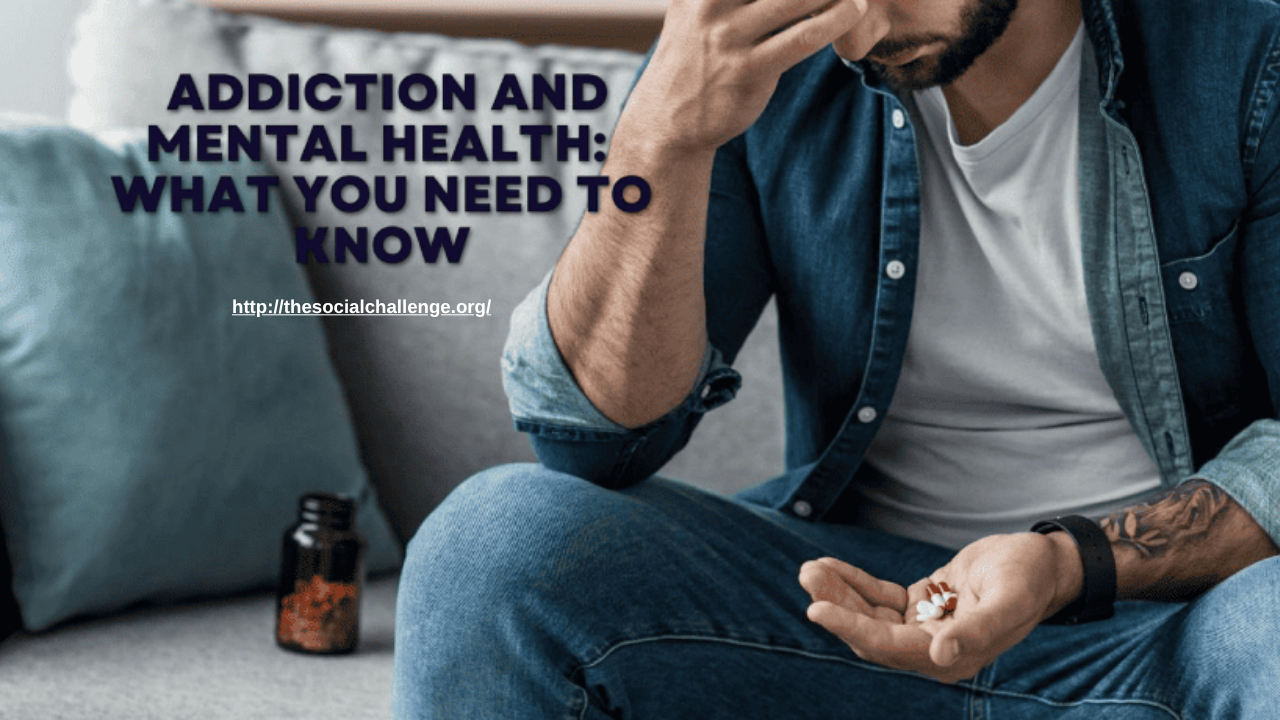
Mental health and addiction are deeply intertwined struggles that affect millions of people around the world. Despite growing awareness, society still often approaches these issues with judgment, fear, and misunderstanding. For too long, those suffering have been met with blame instead of support, silence instead of empathy. What’s needed now more than ever is a new perspective—one grounded in compassion. When we choose compassion over criticism, we open the door to healing, reduce stigma, and build communities where people feel safe to seek help.
Breaking the Cycle of Judgment
Historically, addiction has been viewed as a personal failure or lack of discipline, while mental illness was seen as weakness or something to be hidden. These harmful views have led to silence, shame, and isolation. People suffering from depression, anxiety, or substance use disorders often fear being judged, and this fear can prevent them from reaching out for the support they desperately need.
But research and lived experience tell a different story. Mental illness and addiction are medical conditions, often rooted in trauma, genetics, and environmental factors. They are not moral failings—they are health challenges that require treatment, patience, and care. By shifting our mindset from blame to understanding, we create a more effective and humane approach to recovery.
The Power of Compassion
Compassion means seeing the person behind the condition. It means recognizing that everyone has a story, and that pain often lies beneath the surface. A compassionate response to mental illness and addiction doesn’t ask, “What’s wrong with you?” but rather, “What happened to you?” and “How can I help?”
When we show compassion, we validate a person’s experience and offer them the dignity they deserve. This can be the difference between someone giving up and someone choosing to fight for their recovery. Compassion builds trust, and trust is essential in treatment and healing.
Changing How We Respond
Compassion should shape how we respond at every level—individually, socially, and systemically. On a personal level, we can listen without judgment, offer support, and educate ourselves about mental health and addiction. Simply asking someone how they’re doing and being present can make a tremendous impact.
In our communities, compassion means advocating for accessible mental health care, supporting recovery programs, and creating spaces where people feel safe to speak openly. Schools, workplaces, and faith groups can all play a role in promoting mental wellness and eliminating stigma.
On a larger scale, policy-makers must prioritize compassionate, evidence-based solutions—like treatment over incarceration, integrated care models, and long-term support for recovery. Laws and systems should be designed not to punish, but to restore and uplift.
A Call to Action
We all have a role to play in creating a more compassionate world. By choosing empathy over stigma, and understanding over fear, we can redefine how society views and addresses mental health and addiction. Healing begins when we stop judging and start caring. Compassion is not just kindness—it’s a necessity. It is the bridge that connects struggle to strength, and pain to possibility. Let’s lead with our hearts—and help others find hope.