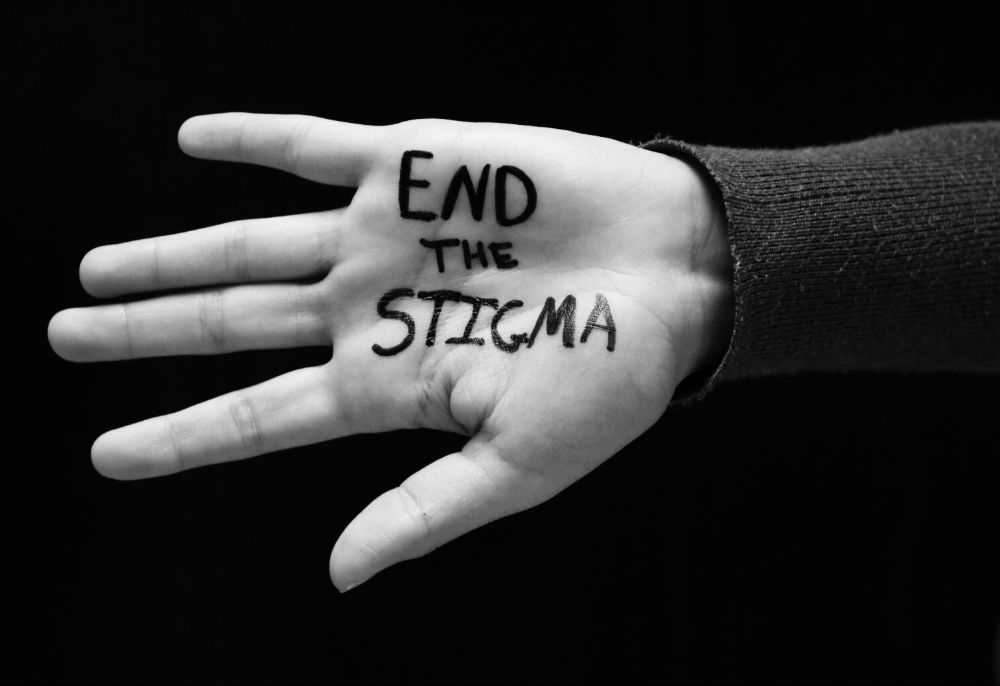
Addiction and mental disorders are health challenges that can affect people from every background, yet stigma continues to prevent many individuals from seeking the support they need. Fear of judgment, shame about past choices, and misconceptions about treatment can keep people silent long after they recognize that something is wrong. Changing the conversation around addiction and mental health starts with a simple shift: seeing the person before the diagnosis and recognizing that asking for help is a meaningful step toward recovery.
Communities have an important role to play in creating that change. When families, friends, workplaces, faith communities, and local organizations respond with understanding instead of condemnation, people are more likely to feel safe discussing their struggles and exploring professional treatment.
Why Stigma Remains a Barrier to Recovery
Stigma surrounding addiction and mental disorders often develops from misinformation. Addiction may still be viewed as a moral failure, while mental health conditions can be dismissed as a weakness or something a person should simply overcome.
These assumptions do not reflect the complexity of either addiction or mental health.
Substance use disorders can involve biological, psychological, social, and environmental factors. Mental health conditions can also develop through a combination of genetics, life experiences, trauma, stress, physical health, and other influences.
When society reduces these experiences to a person’s character, it becomes harder to have honest conversations about treatment.
Shame Can Delay Professional Help
A person struggling with substance use may already feel guilt about how addiction has affected relationships, employment, finances, or other areas of life. Adding public judgment can make those feelings even more difficult to manage.
As a result, someone may hide their substance use rather than contact an addiction treatment professional.
The same problem can occur with mental health concerns. Someone experiencing depression, anxiety, trauma, or another mental health disorder may fear being labeled or treated differently if others discover they are receiving care.
Reducing stigma can therefore have a practical effect: it can make it easier for people to ask for help earlier.
Communities Can Change How Addiction Is Discussed
Changing social attitudes does not happen through one conversation. It happens through everyday choices in language, education, and behavior.
Use Language That Respects the Individual
The words people use can influence how addiction and mental health are understood.
Person-first language helps separate an individual from a diagnosis or history of substance use. Instead of defining someone entirely by addiction, it is more respectful to recognize that the person is experiencing a substance use disorder and has the capacity to pursue recovery.
This distinction matters because identity is bigger than illness.
A person’s past does not have to become their permanent definition. Recovery gives individuals an opportunity to develop new skills, repair relationships where possible, establish healthier routines, and build a meaningful future.
Replace Judgment With Curiosity
When someone reveals that they are struggling, an immediate reaction of criticism can close the conversation.
A more constructive approach is to listen.
Questions such as these can encourage a healthier dialogue:
- What kind of support would be helpful right now?
- Have you considered talking with a treatment professional?
- Is there anything making it difficult to seek help?
- How can I support your recovery while maintaining healthy boundaries?
Listening does not mean approving of harmful behavior. It means creating enough trust for an honest conversation to take place.
Education Helps Communities Recognize the Reality of Addiction
One of the strongest ways to reduce stigma is to improve public understanding.
Addiction can affect people regardless of age, profession, financial circumstances, or family background. A person may have a successful career, strong relationships, and many accomplishments while still struggling with substance use.
Likewise, mental health challenges are not always visible. Someone can appear confident and productive while privately experiencing severe emotional distress.
Understanding Treatment Can Reduce Fear
Education should also include information about the different forms of addiction recovery and mental health treatment available.
Some individuals may benefit from inpatient care, particularly when they need a structured and supportive environment away from substances, triggers, or destabilizing circumstances.
Others may benefit from outpatient treatment that allows them to receive professional care while continuing to manage work, family, or other responsibilities.
The appropriate level of care depends on the individual’s circumstances and should be determined with qualified professionals.
Knowing that treatment can take different forms may make the process feel less intimidating for someone who is considering getting help.
Personalized Treatment Recognizes That Every Person Is Different
There is no universal recovery plan.
Two people may struggle with the same substance but have very different reasons for using it, different mental health needs, different family circumstances, and different goals for recovery.
Effective treatment should take those differences into account.
Look at the Whole Person
Individualized care can address more than substance use itself. Treatment may also explore emotional health, relationships, trauma, stress, physical wellness, coping skills, and the practical challenges of maintaining recovery.
This whole-person perspective can be particularly important when addiction and mental health concerns occur together.
Treating only one part of the problem may leave other factors unaddressed. Integrated care can instead help individuals understand how different areas of their lives influence one another.
Holistic and Faith Based Support Can Strengthen Recovery
Recovery is not only about avoiding substances. It is also about building a life that gives a person reasons to protect their well-being.
For some individuals, holistic approaches can provide valuable support by addressing physical, emotional, social, and spiritual wellness.
Healthy routines, meaningful relationships, mindfulness, physical activity, creative expression, and other supportive practices may complement clinical treatment.
Faith Can Provide Hope and Purpose
For people who value spirituality, faith can become an important part of the recovery process.
Faith based support may provide opportunities for prayer, reflection, spiritual counseling, connection with others, and a renewed sense of purpose. These approaches can work alongside professional addiction and mental health treatment.
The goal is not to force one approach on everyone. Instead, personalized care should respect the individual’s beliefs, values, and preferences.
Families Need Support Too
Addiction affects more than the individual experiencing it. Family members may live with fear, frustration, confusion, financial stress, and uncertainty about what to do next.
They may also struggle with guilt or wonder whether they somehow caused the problem.
Families need accurate information and healthy boundaries just as much as they need compassion.
Support Does Not Mean Enabling
A supportive family can encourage treatment without protecting someone from every consequence of their behavior.
For example, a loved one might help someone find a treatment provider or attend an appointment while refusing to provide money that could contribute to continued substance use.
Boundaries are not a rejection of the person. When communicated clearly and respectfully, they can protect relationships and create healthier expectations during recovery.
What Communities Can Do Today
Breaking the stigma around addiction and mental disorders requires action at every level.
Communities can:
- Provide accurate education about addiction and mental health.
- Encourage people to seek professional treatment when they need it.
- Avoid jokes and stereotypes that portray addiction or mental illness as personal failures.
- Create safe opportunities for honest conversations.
- Support families affected by substance use and mental health challenges.
- Promote access to both inpatient and outpatient treatment resources.
- Respect different recovery pathways and individual treatment needs.
- Encourage healthy boundaries instead of shame or punishment.
- Include mental wellness education in workplaces, schools, faith communities, and local organizations.
These steps may seem small individually, but together they can create a culture where seeking help is accepted rather than hidden.
Recovery Becomes More Possible When People Feel Supported
Ending stigma does not mean ignoring the serious consequences that addiction and untreated mental health conditions can create. It means responding to those challenges in ways that encourage accountability, treatment, and long-term wellness.
People can be responsible for their recovery while still deserving dignity and support.
A healthier community is one where someone can admit they are struggling without immediately being reduced to their diagnosis or past behavior. It is a community where families know where to turn, treatment options are discussed openly, and people understand that recovery can involve professional care, personal growth, supportive relationships, and meaningful purpose.
Changing the Conversation Starts With One Step
The social stigma surrounding addiction and mental disorders will not disappear overnight. However, every respectful conversation can challenge an outdated assumption. Every accurate piece of information can replace a harmful myth. Every person who reaches out for treatment can demonstrate that seeking help is part of moving forward, not something to hide.
If you or someone you care about is struggling with addiction or a mental health concern, consider reaching out to a qualified treatment professional. Inpatient and outpatient services, individualized treatment, holistic support, and faith based approaches may provide different paths toward healing depending on a person’s needs.
The conversation can change. It starts when we choose understanding over judgment, treatment over silence, and hope over stigma.