
Changing Perspectives, Changing Lives: How Communities Can Help End the Stigma of Addiction and Mental Illness

Addiction and mental illness affect individuals, families, and entire communities, yet many people continue to suffer in silence because they fear being judged. Stigma can be just as damaging as the conditions themselves, creating barriers that prevent individuals from seeking addiction recovery services and mental health treatment when they need it most. At The Social Challenge, we believe lasting recovery begins with compassion, education, and community support. When communities change the way they view addiction and mental health, they help create an environment where healing is encouraged instead of discouraged.

Every conversation rooted in understanding has the potential to change a life. By replacing stereotypes with empathy and misinformation with knowledge, communities become powerful partners in helping individuals find hope, recovery, and long term wellness.

Why Stigma Continues to Harm Individuals and Families

Despite growing awareness about behavioral health, many misconceptions still surround addiction and mental illness. Some people mistakenly believe these conditions result from poor choices or a lack of willpower. In reality, addiction and mental health disorders are complex health conditions influenced by genetics, trauma, brain chemistry, environmental factors, and life experiences.

These misconceptions often create feelings of shame that prevent individuals from reaching out for help. Families may also struggle in silence because they fear being judged by others.

Breaking these harmful beliefs begins with education and compassion.

The Cost of Delaying Treatment

When stigma keeps people from seeking professional care, the consequences can be significant. Untreated addiction and mental health conditions may affect relationships, employment, physical health, financial stability, and overall quality of life.

Early intervention gives individuals the opportunity to receive effective treatment before challenges become more severe. Communities that encourage treatment rather than judgment help improve recovery outcomes and strengthen public health.

Communities Play an Important Role in Recovery

Professional addiction recovery services and mental health treatment provide the clinical foundation for healing, but recovery extends far beyond a treatment facility. Every supportive relationship contributes to long term success.

Families, friends, employers, educators, faith leaders, and neighbors all have opportunities to create safe environments where individuals feel accepted and encouraged.

Compassion Encourages Honest Conversations

Many people hesitate to discuss addiction or mental health because they worry about negative reactions. Compassionate conversations help remove that fear.

Listening without criticism, showing empathy, and offering encouragement allow individuals to speak openly about their experiences. These conversations often become the first step toward seeking professional treatment.

Education Reduces Misunderstanding

Communities that understand addiction and mental illness are better equipped to support those who are struggling.

Educational programs, community outreach, and open discussions help replace myths with facts while encouraging people to recognize addiction and mental health disorders as treatable medical conditions rather than personal failures.

Personalized Treatment Supports Every Recovery Journey

No two recovery journeys are exactly alike. Each person enters treatment with different experiences, challenges, and goals. That is why individualized care remains one of the most important components of successful recovery.

At The Social Challenge, personalized treatment plans are developed to meet each client’s unique needs while promoting physical, emotional, psychological, and spiritual healing.

Inpatient and Outpatient Care Offer Flexible Solutions

Some individuals require the structured support available through inpatient treatment, where they can focus entirely on healing in a safe and supportive environment.

Others benefit from outpatient care, which allows them to continue working, attending school, or caring for family while receiving professional counseling and treatment.

Providing multiple levels of care helps individuals receive support that aligns with their personal circumstances and recovery goals.

Holistic Healing Promotes Long Term Wellness

Recovery involves much more than overcoming addiction or managing mental health symptoms. True healing requires caring for the whole person.

Holistic treatment addresses physical wellness, emotional resilience, healthy coping skills, stress management, nutrition, personal growth, and overall balance. This comprehensive approach helps individuals develop healthier lifestyles that support lifelong recovery.

Faith Based Support Strengthens Hope

For many individuals, faith provides comfort, purpose, and encouragement during recovery. Faith based care complements evidence based treatment by helping individuals strengthen their spiritual well being while developing resilience and renewed hope.

This balanced approach allows many people to find deeper meaning as they rebuild their lives.

Practical Ways Communities Can Support Recovery

Everyone can contribute to ending stigma and supporting individuals on their recovery journey.

Speak With Respect

Using person first language reminds individuals that they are far more than a diagnosis or past experience.

Encourage Professional Help

Support loved ones in seeking addiction recovery services and mental health treatment as early as possible. Timely intervention often leads to stronger long term outcomes.

Offer Consistent Encouragement

Recovery takes time. Regular encouragement, patience, and understanding help individuals remain motivated throughout their healing journey.

Create Safe and Inclusive Spaces

Communities that promote acceptance help reduce feelings of isolation while encouraging individuals to participate in healthy relationships and meaningful activities.

A Future Built on Compassion and Understanding

Ending stigma is not the responsibility of healthcare professionals alone. It requires the combined efforts of families, schools, workplaces, faith communities, and neighborhoods that believe every person deserves dignity, respect, and access to quality care.

At The Social Challenge, we are committed to helping individuals overcome addiction and improve mental wellness through compassionate, client centered care. Our holistic, faith based, and individualized approach empowers clients to build healthier futures while receiving the support they deserve.

Conclusion

Changing perspectives truly has the power to change lives. When communities replace judgment with compassion, individuals feel safer seeking addiction recovery services and mental health treatment. Every supportive conversation, every educational effort, and every act of kindness helps remove barriers that stand between people and recovery.

If you or someone you care about is struggling with addiction or mental health challenges, The Social Challenge is here to help. Our experienced team offers personalized inpatient and outpatient care, holistic healing, faith based support, and evidence informed treatment designed to meet your unique needs. Reach out today to begin your journey toward hope, healing, and lasting recovery. Together, we can create stronger communities where every individual has the opportunity to thrive.
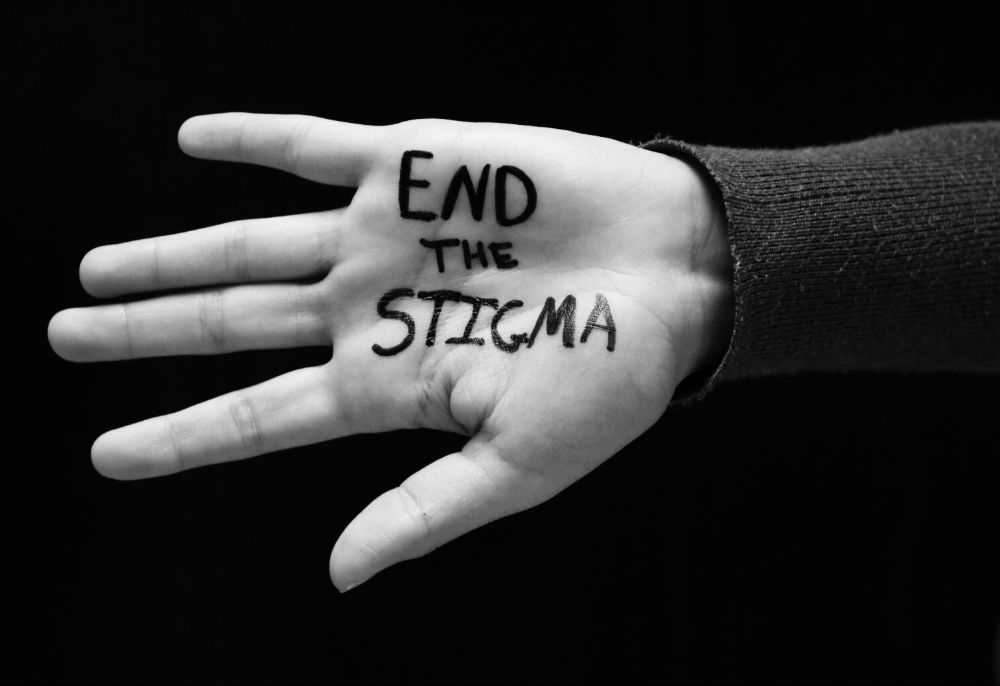
Hope Begins With Understanding: Why Ending Stigma Is Essential for Mental Health and Addiction Recovery

Hope is one of the most powerful forces in recovery, yet for many individuals living with addiction or mental health challenges, hope can feel out of reach because of stigma. Fear of being judged, misunderstood, or treated differently often prevents people from seeking the professional help they need. At The Social Challenge, we believe that understanding is the first step toward breaking these barriers. When compassion replaces judgment, individuals feel empowered to pursue addiction recovery services and mental health treatment that can transform their lives.

Recovery is not simply about overcoming symptoms. It is about restoring confidence, rebuilding relationships, and discovering that every person deserves the opportunity to heal. By ending stigma and encouraging understanding, we create a future where hope is available to everyone.

Why Stigma Remains One of the Biggest Obstacles to Recovery

Although awareness of mental health and addiction has improved over the years, stigma continues to affect millions of individuals and families. Many people still hesitate to talk openly about depression, anxiety, trauma, or substance use disorders because they fear negative reactions from others.

This silence often delays treatment. Instead of receiving professional care during the early stages of a condition, individuals may continue struggling alone until symptoms become more severe.

Breaking stigma allows people to seek help sooner, improving both treatment outcomes and overall quality of life.

Understanding Addiction and Mental Illness as Health Conditions

Addiction and mental health disorders are complex medical conditions influenced by genetics, brain chemistry, life experiences, trauma, and environmental factors. They are not personal failures or signs of weak character.

Recognizing this reality changes the conversation. Instead of assigning blame, society can focus on providing education, compassion, and effective treatment that supports long term recovery.

Understanding Builds the Foundation for Healing

Recovery begins when people feel safe enough to ask for help. Compassionate care creates an environment where individuals can speak honestly about their experiences without fear of criticism or shame.

At The Social Challenge, every client is treated with dignity, respect, and empathy. We understand that every recovery journey is different, which is why personalized care remains at the center of everything we do.

The Importance of Individualized Treatment

No two individuals experience addiction or mental health challenges in exactly the same way. Effective treatment requires careful attention to each person’s unique circumstances, strengths, and recovery goals.

Individualized treatment plans provide the flexibility needed to address emotional, physical, psychological, and spiritual needs while adapting as progress is made.

This personalized approach helps clients build confidence while developing practical skills for lifelong wellness.

Comprehensive Care Supports Lasting Recovery

Successful recovery requires more than treating immediate symptoms. Lasting healing comes from addressing every aspect of an individual’s well being.

Inpatient and Outpatient Treatment Options

Some individuals benefit from the structure and intensive support available through inpatient treatment programs. Others thrive in outpatient care, which provides professional guidance while allowing clients to continue managing work, education, and family responsibilities.

Choosing the appropriate level of care helps create a recovery experience that is both effective and sustainable.

Holistic Healing Encourages Whole Person Wellness

Holistic treatment recognizes the close connection between physical health, emotional wellness, and spiritual growth. Therapy, healthy lifestyle practices, stress management, wellness activities, and emotional support all work together to strengthen recovery.

Rather than focusing solely on addiction or mental health symptoms, holistic care helps individuals rebuild balanced, meaningful lives.

Faith Based Care Inspires Hope

For many individuals, faith provides comfort during life’s most difficult moments. Faith based support encourages forgiveness, resilience, gratitude, and purpose while complementing evidence based addiction recovery services and mental health treatment.

By nurturing spiritual wellness alongside emotional healing, clients often discover renewed motivation for lasting recovery.

How Communities Can Help End Stigma

Professional treatment is only one part of recovery. Families, friends, employers, educators, and faith communities all contribute to creating supportive environments where healing can flourish.

Listen Without Judgment

Providing a safe space for honest conversations allows individuals to share their struggles without fear of criticism.

Use Respectful Language

Person first language reminds people that they are individuals living with health conditions rather than being defined by them.

Encourage Early Intervention

Seeking treatment early often prevents addiction and mental health conditions from becoming more severe. Encouragement from loved ones can make all the difference.

Celebrate Every Step Forward

Recovery is a lifelong journey. Recognizing progress helps strengthen confidence and reinforces the belief that healing is possible.

Creating a Future Filled With Hope

Every compassionate conversation, every act of understanding, and every effort to reduce stigma contributes to stronger communities and healthier lives. When society embraces empathy over judgment, more individuals gain the confidence to seek treatment and begin their recovery journey.

At The Social Challenge, we are committed to providing compassionate addiction recovery services and mental health treatment through holistic, faith based, and individualized care. Our inpatient and outpatient programs are designed to meet each person where they are while helping them build a healthier future.

Conclusion

Hope truly begins with understanding. When stigma is replaced with compassion, barriers begin to disappear, allowing individuals to pursue recovery with confidence and dignity. Every person deserves access to care that recognizes their worth, respects their journey, and supports their potential for lasting healing.

If you or someone you love is struggling with addiction or mental health challenges, The Social Challenge is here to help. Our experienced team offers personalized treatment, holistic healing, faith based support, and compassionate care designed to guide individuals toward lifelong recovery. Contact us today to take the first step toward hope, healing, and a brighter future.

Breaking Down Barriers: How Compassion Can Transform Addiction Recovery and Mental Health Support

For many people living with addiction or mental health challenges, the greatest obstacle is not always the condition itself. Often, it is the fear of being judged, misunderstood, or treated differently. Stigma continues to prevent countless individuals from seeking addiction recovery services and mental health treatment, even when they recognize they need help. At The Social Challenge, we believe that compassion has the power to break down these barriers and create opportunities for lasting healing. When people are met with empathy instead of criticism, they are more willing to reach out, engage in treatment, and build healthier, more fulfilling lives.

Recovery is not about labeling people by their struggles. It is about recognizing their strengths, understanding their experiences, and providing the personalized support they need to move forward with confidence.

Why Compassion Matters in Addiction Recovery and Mental Health Support

Compassion is much more than kindness. It is the ability to understand another person’s experience without judgment and to respond with empathy and respect. In addiction recovery and mental health treatment, compassion creates an environment where individuals feel safe enough to be honest about their struggles.

Many people delay seeking professional care because they worry about how others will react. They may fear being blamed for their addiction or misunderstood because of their mental health condition. These fears often lead to isolation, allowing problems to grow more serious over time.

Compassion helps remove those fears by replacing judgment with acceptance and hope.

Stigma Creates Invisible Barriers

The effects of stigma are often difficult to see, but they are deeply felt by those experiencing addiction or mental illness. Negative stereotypes can lead individuals to believe they should hide their struggles instead of seeking help.

Families may also hesitate to discuss addiction or mental health openly, while employers and communities may unknowingly reinforce harmful misconceptions. Breaking these barriers begins with education and understanding.

Recovery Begins With Personalized Care

Every person’s journey is unique. Addiction and mental health conditions develop for different reasons and affect individuals in different ways. That is why effective treatment must be individualized rather than based on a one size fits all approach.

At The Social Challenge, every treatment plan is designed around the individual’s personal history, challenges, strengths, and recovery goals. This client centered philosophy helps create meaningful and sustainable progress.

Choosing Between Inpatient and Outpatient Care

Some individuals benefit from the structured environment of inpatient treatment, where they receive comprehensive support while focusing entirely on recovery.

Others find success through outpatient programs that allow them to continue working, attending school, or caring for family while participating in professional treatment.

Selecting the appropriate level of care helps ensure that recovery fits each person’s unique circumstances and long term goals.

Holistic Healing Supports Lasting Wellness

Addiction recovery involves much more than ending substance use. Mental wellness requires emotional stability, physical health, healthy relationships, and a renewed sense of purpose. Holistic care addresses all of these areas together.

Therapeutic counseling, wellness activities, stress management techniques, healthy lifestyle habits, and emotional support all contribute to stronger recovery outcomes. By treating the whole person instead of only the symptoms, individuals gain the tools they need for lifelong wellness.

Faith Based Support Provides Hope

Faith can become an important source of comfort and resilience during recovery. For many individuals, spiritual guidance provides hope during difficult moments while encouraging forgiveness, personal growth, and renewed purpose.

When faith based support is integrated with professional addiction recovery services and mental health treatment, individuals benefit from a balanced approach that nurtures both emotional and spiritual healing.

How Compassion Strengthens Families and Communities

Professional treatment is essential, but recovery also depends on supportive relationships. Families, friends, coworkers, and community members all influence how individuals experience healing.

Compassionate communities create environments where people feel accepted rather than judged. They encourage open conversations about mental health, reduce stigma, and remind individuals that asking for help is a sign of strength.

Practical Ways to Support Someone in Recovery

Supporting a loved one does not require having all the answers. Small, consistent actions often have the greatest impact.

Listen With Empathy

Allow individuals to share their experiences without criticism or interruption. Feeling heard helps build trust and emotional safety.

Use Respectful Language

Avoid labels that define someone by their condition. Person first language promotes dignity and reinforces the belief that people are more than their diagnosis.

Encourage Professional Treatment

Offer encouragement to seek addiction recovery services or mental health treatment early. Professional care provides the guidance and structure necessary for lasting recovery.

Celebrate Progress

Every milestone deserves recognition. Recovery is built through consistent effort, and celebrating progress helps reinforce confidence and motivation.

Creating a Future Built on Understanding

Breaking down barriers requires a collective commitment to compassion, education, and acceptance. As society becomes more informed about addiction and mental health, fewer individuals will feel forced to suffer in silence.

At The Social Challenge, we are committed to creating an environment where every person is treated with dignity and respect. Through holistic, faith based, and individualized care, we help clients overcome addiction, strengthen mental wellness, and build brighter futures.

Conclusion

Compassion has the power to transform lives because it replaces fear with hope and judgment with understanding. When individuals feel supported instead of criticized, they are more likely to seek help, remain engaged in treatment, and achieve lasting recovery.

If you or someone you love is facing addiction or mental health challenges, The Social Challenge is here to help. Our compassionate team offers personalized inpatient and outpatient treatment, holistic healing, and faith based support designed to meet your unique needs. Contact us today to take the first step toward recovery, renewed confidence, and lifelong wellness.

When Understanding Replaces Judgment: Building Stronger Paths to Mental Wellness and Recovery

Every person has a story, yet too often individuals living with addiction or mental health challenges are defined by stereotypes instead of their potential for healing. Judgment creates barriers that discourage people from asking for help, while understanding opens the door to hope, connection, and recovery. At The Social Challenge, we believe that lasting change begins when compassion replaces criticism and every individual is treated with dignity and respect. Through comprehensive addiction recovery services, mental health treatment, inpatient and outpatient care, and holistic, faith based support, we help people build stronger paths toward lifelong wellness.

The journey to recovery is not about being perfect. It is about finding the right support, receiving personalized care, and discovering that healing is possible. When society chooses understanding over judgment, more people feel empowered to take that first courageous step.

Why Judgment Prevents People From Seeking Help

One of the greatest obstacles to recovery is not a lack of treatment options. It is the fear of being misunderstood. Many individuals hesitate to seek professional help because they worry about how family members, friends, employers, or even healthcare providers may perceive them.

Unfortunately, this fear often leads to silence. Instead of reaching out, people attempt to manage addiction or mental health symptoms on their own. Over time, untreated conditions can affect physical health, emotional well being, relationships, careers, and overall quality of life.

Understanding this reality reminds us that every compassionate conversation has the potential to change someone’s future.

Addiction and Mental Illness Are Health Conditions

Modern research continues to show that addiction and mental illness are complex medical conditions influenced by genetics, brain chemistry, trauma, life experiences, and environmental factors. They are not signs of weakness or moral failure.

Recognizing addiction and mental health conditions as treatable illnesses helps reduce stigma and encourages individuals to pursue professional treatment without shame.

Understanding Creates a Foundation for Recovery

Recovery flourishes in environments built on trust, respect, and empathy. When individuals feel accepted rather than criticized, they become more willing to participate in treatment, share honestly with their care team, and remain committed to long term healing.

At The Social Challenge, every treatment plan begins by understanding the individual behind the diagnosis. Each person brings unique experiences, strengths, challenges, and goals that deserve personalized attention.

Compassion Builds Confidence

Many people entering treatment struggle with guilt, low self esteem, and uncertainty about the future. Compassionate care helps rebuild confidence by reminding individuals that recovery is achievable.

Simple acts of encouragement, respectful communication, and genuine listening create an atmosphere where healing can take place naturally.

Individualized Care Supports Lasting Change

There is no universal solution for addiction recovery or mental health treatment. Every person’s journey is different, which is why individualized care is essential.

Our team develops personalized treatment plans designed to address each client’s physical, emotional, psychological, and spiritual needs. This comprehensive approach allows individuals to receive care that evolves with their progress.

Inpatient and Outpatient Treatment Options

Some individuals benefit from the structured environment of inpatient treatment, where they can focus entirely on recovery with continuous professional support.

Others achieve success through outpatient programs that provide ongoing therapy and guidance while allowing them to maintain family responsibilities, employment, or education.

Matching the right level of care to each person’s circumstances helps create stronger long term outcomes.

Holistic Healing Addresses the Whole Person

Recovery involves much more than overcoming substance use or managing mental health symptoms. It requires rebuilding every aspect of life.

Holistic treatment focuses on supporting the mind, body, and spirit together. Therapy, stress management, healthy lifestyle habits, wellness activities, and emotional support all contribute to sustainable recovery.

By treating the whole person instead of only the diagnosis, individuals gain practical skills that improve resilience and overall well being.

Faith Based Support Provides Hope

For many people, faith becomes an important source of strength throughout recovery. Spiritual guidance encourages forgiveness, purpose, hope, and personal growth while complementing evidence based clinical care.

Faith based support can help individuals reconnect with values that inspire lasting positive change.

How Communities Can Replace Judgment With Understanding

Building stronger paths to recovery is a shared responsibility. Families, friends, employers, educators, and community members all influence how individuals experience healing.

Practice Person First Language

Words shape attitudes. Referring to someone as a person living with addiction rather than defining them by their condition promotes dignity and respect.

Listen Before Offering Advice

Sometimes the most meaningful support comes from simply listening without interruption or criticism. Feeling heard helps individuals develop trust and confidence.

Encourage Professional Care

Seeking addiction recovery services or mental health treatment demonstrates courage and strength. Encourage loved ones to seek professional support early rather than waiting until problems become overwhelming.

Celebrate Progress

Recovery is built one step at a time. Recognizing milestones, no matter how small, reinforces motivation and reminds individuals that lasting change is possible.

Looking Toward a More Compassionate Future

Communities become healthier when understanding replaces judgment. As stigma decreases, more individuals feel comfortable asking for help, families become stronger sources of encouragement, and recovery becomes an achievable reality instead of a distant hope.

At The Social Challenge, we remain committed to providing compassionate, holistic, faith based, and individualized care that empowers individuals to overcome addiction and improve mental wellness. Every person deserves the opportunity to heal in an environment built on respect, hope, and clinical excellence.

Conclusion

Recovery begins with a simple but powerful shift in perspective. When understanding replaces judgment, barriers begin to disappear and new opportunities for healing emerge. Compassion creates the trust that allows individuals to seek help, remain engaged in treatment, and build fulfilling lives beyond addiction and mental illness.

If you or someone you love is searching for professional addiction recovery services or mental health treatment, The Social Challenge is here to help. Our experienced team provides personalized inpatient and outpatient care, holistic healing, and faith based support designed to meet your unique needs. Contact us today to begin building a stronger path toward lasting recovery, renewed hope, and lifelong wellness.

Creating a Culture of Healing: How Communities Can Support Mental Health and Addiction Recovery

Recovery is rarely achieved in isolation. While professional addiction recovery services and mental health treatment provide the foundation for healing, the support people receive from their families, friends, workplaces, faith communities, and neighborhoods can have a lasting impact on their success. Every conversation, act of kindness, and opportunity for connection helps shape an environment where individuals feel safe enough to seek help and continue their recovery journey. At The Social Challenge, we believe that creating a culture of healing starts with compassion, understanding, and a shared commitment to supporting those facing addiction and mental health challenges.

When communities replace stigma with empathy, recovery becomes more accessible, hope becomes stronger, and lives begin to change.

Why Community Support Matters in Recovery

Addiction and mental health conditions affect every part of a person’s life, including relationships, employment, education, and overall well being. While treatment is essential, healing continues long after an individual leaves a counseling session or completes an inpatient program.

Communities have the opportunity to reinforce healthy habits, encourage personal growth, and provide the sense of belonging that many people lose during active addiction or periods of emotional struggle.

Supportive environments remind individuals that they are valued, capable, and never alone in their recovery.

Isolation Can Slow the Healing Process

Many people experiencing substance use disorders or mental health conditions withdraw from others because of shame, fear, or previous negative experiences. Unfortunately, isolation often intensifies emotional distress and increases the risk of relapse.

Compassionate communities help break this cycle by creating welcoming spaces where people feel accepted rather than judged.

Reducing Stigma Through Everyday Actions

One of the most meaningful ways communities can support recovery is by reducing stigma. Negative stereotypes often discourage individuals from seeking addiction recovery services or mental health treatment, even when they recognize they need help.

Changing public attitudes begins with everyday interactions.

Choose Compassionate Language

Words matter. Using respectful, person first language helps reinforce that addiction and mental illness do not define an individual’s identity.

Instead of focusing on labels, emphasize the person’s strengths, progress, and potential for recovery.

Encourage Open Conversations

Honest discussions about mental health and addiction help normalize seeking professional care. Families, schools, workplaces, and faith communities can all create opportunities for safe conversations that reduce fear and encourage understanding.

The more openly people talk about recovery, the easier it becomes for others to ask for help.

Professional Care Remains the Foundation of Recovery

Community support is invaluable, but it works best alongside professional treatment. Addiction and mental health conditions often require comprehensive care that addresses both immediate symptoms and long term wellness.

At The Social Challenge, treatment is designed around each individual’s unique needs through personalized recovery plans that support lasting healing.

Individualized Inpatient and Outpatient Care

Every recovery journey is different. Some individuals need the structure and intensive support offered through inpatient treatment. Others benefit from outpatient programs that provide flexibility while allowing them to continue working, attending school, or caring for family responsibilities.

Individualized care ensures that each person receives the right level of support throughout every stage of recovery.

Holistic Healing Supports the Whole Person

Recovery extends beyond symptom management. Holistic treatment addresses emotional, physical, mental, and spiritual well being to help individuals build healthier and more balanced lives.

Therapeutic counseling, wellness activities, stress management techniques, healthy lifestyle habits, and personal development all contribute to sustainable recovery.

By treating the whole person, individuals gain practical tools that help them navigate life’s challenges long after treatment ends.

Faith Based Care Can Strengthen Recovery

For many individuals, faith offers hope during difficult seasons of life. Faith based support encourages forgiveness, purpose, resilience, and personal growth while complementing evidence based treatment.

Spiritual care can become an important source of encouragement for those seeking a deeper sense of healing throughout recovery.

Practical Ways Communities Can Support Recovery

Everyone has the ability to contribute to a healthier and more compassionate community.

Learn About Addiction and Mental Health

Education helps replace myths with facts. Understanding that addiction and mental health conditions are treatable medical concerns encourages greater empathy and reduces harmful assumptions.

Support Recovery Without Judgment

Celebrate progress instead of focusing on past mistakes. Recovery is a process that includes growth, learning, and continued commitment.

Encourage Early Treatment

If someone is struggling, encourage them to seek professional addiction recovery services and mental health treatment before challenges become more severe. Early intervention often improves long term outcomes.

Stay Connected

Simple acts such as checking in, offering encouragement, or spending quality time together remind individuals that they have a support system throughout their recovery journey.

Building Stronger Communities Through Compassion

A culture of healing develops when individuals work together to create environments where people feel safe asking for help. Compassion does not eliminate challenges, but it makes those challenges easier to face with support, understanding, and hope.

Communities that prioritize mental wellness and addiction recovery become stronger, healthier, and more connected because they recognize the value and dignity of every individual.

Conclusion

Creating a culture of healing begins with each of us. By reducing stigma, encouraging compassionate conversations, and supporting access to quality addiction recovery services and mental health treatment, communities can become powerful partners in the recovery process.

At The Social Challenge, we are committed to helping individuals heal through holistic, faith based, and individualized care. Our inpatient and outpatient treatment programs provide compassionate support designed to meet each person’s unique needs while promoting long term recovery and emotional wellness.

If you or someone you love is ready to begin the journey toward healing, The Social Challenge is here to help. Reach out today to learn how our dedicated team can provide the guidance, support, and personalized care needed to build a healthier and more hopeful future.