
The Heart of Healing: How Empathy Transforms Mental Health Recovery

Recovery from mental illness and addiction is rarely a straight path. It involves setbacks, breakthroughs, and moments of vulnerability that require more than clinical intervention alone. At the core of lasting recovery is empathy: the ability to truly understand and share in another person’s experience. When empathy leads the way, treatment becomes more than a process of managing symptoms. It becomes a journey of healing, dignity, and transformation.

Why Empathy Matters in Mental Health Recovery

Breaking Down Barriers of Stigma

Stigma remains one of the most powerful obstacles people face when seeking help. Those living with addiction or mental illness often carry shame that makes reaching out feel overwhelming. Empathy helps to dismantle those barriers. When someone feels genuinely heard and understood, shame begins to lose its grip. Instead of being seen as a diagnosis, the individual is seen as a person with strengths, goals, and potential.

Creating Trust and Safety

Recovery requires openness. But people can only share their deepest struggles when they feel safe. Empathy creates that safety. At The Social Challenge, we recognize that listening with compassion is not optional—it is the foundation of effective care. Whether through inpatient programs, outpatient support, or counseling, our team builds trust by meeting people where they are and respecting their unique journey.

How Empathy Shapes Effective Treatment

Individualized Care that Sees the Whole Person

No two recovery stories are the same. Empathy allows professionals to see beyond surface symptoms and design treatment that addresses the whole person. At The Social Challenge, our care combines evidence-based therapies with holistic approaches such as nutrition, mindfulness, and family involvement. By treating the individual rather than just the illness, we help clients build resilience in every aspect of life.

The Role of Faith in Healing

For many, faith provides strength and meaning in recovery. Empathy also means honoring spiritual needs as part of the healing process. Our faith-based programs give clients space to explore their spirituality alongside therapy, offering a powerful source of comfort and hope. Recognizing this dimension of healing validates the experiences of those for whom faith is an essential part of life.

Inpatient and Outpatient Options with Compassionate Support

Empathy must guide care at every level, from intensive inpatient programs to flexible outpatient services. In residential care, empathy helps clients feel at home during a vulnerable time. In outpatient programs, it supports individuals as they navigate daily responsibilities while building healthier patterns. In both settings, compassionate professionals walk beside clients, reinforcing that they are not alone.

Building a Culture of Empathy in Communities

Healing is not confined to treatment centers. Families, workplaces, schools, and communities all play a role in supporting recovery. By practicing empathy in everyday interactions, we can shift the cultural narrative around addiction and mental illness. This means listening without judgment, offering encouragement, and using language that affirms rather than labels. Small acts of empathy ripple outward, creating environments where recovery is truly possible.

Take the Next Step Toward Healing

Empathy is more than kindness. It is the heartbeat of recovery, opening the door to trust, resilience, and transformation. At The Social Challenge, we are committed to providing care that is professional, holistic, faith-based, and rooted in compassion. If you or someone you love is struggling with addiction or mental health challenges, know that help is available.

Reach out today to begin your journey. Healing starts with empathy, and the first step you take could change everything.
Changing Minds, Changing Lives: Why Compassion Must Lead Mental Health Conversations

Conversations about mental health are more visible today than ever before. Yet for many individuals, opening up about struggles with depression, anxiety, trauma, or addiction still comes with fear of judgment. Too often, the focus shifts to stereotypes and stigma rather than the humanity of the person behind the struggle. At The Social Challenge, we believe that compassion is not just helpful in these conversations—it is essential. Compassion has the power to change minds, and in doing so, it can change lives.

The Role of Compassion in Mental Health

Moving Beyond Stigma

Stigma is one of the greatest barriers to mental health recovery. It creates silence, prevents individuals from seeking treatment, and can make those already in care feel ashamed of their condition. Compassion offers a direct antidote. When we approach conversations with empathy and understanding, we begin to replace misconceptions with truth. We shift the focus from “what is wrong with you” to “how can I support you.”

At The Social Challenge, we see every day how compassion transforms recovery journeys. It creates trust between clients and care providers, allows individuals to speak openly about their challenges, and fosters a safe space for real healing.

The Human Side of Care

Mental illness and addiction are not simply clinical issues. They impact the whole person—their mind, body, spirit, and relationships. Compassion allows providers, families, and communities to see beyond a diagnosis and connect with the individual’s humanity. When care is rooted in compassion, treatment becomes more than managing symptoms. It becomes about restoring dignity, building resilience, and nurturing long-term wellness.

How Compassion Shapes Effective Treatment

Individualized and Holistic Approaches

No two recovery journeys are the same. That is why our programs at The Social Challenge emphasize personalized treatment plans that honor each individual’s needs, history, and goals. Compassion plays a critical role in shaping these plans. By listening closely and without judgment, our team can provide care that integrates evidence-based therapies, faith-based practices, and holistic healing methods such as mindfulness, nutrition, and community support.

Inpatient and Outpatient Support

Compassion must be present in every level of care. Whether someone is entering inpatient treatment for intensive healing or engaging in outpatient care while balancing daily responsibilities, the presence of a supportive, understanding environment makes recovery sustainable. At every stage, our staff and community partners provide encouragement and guidance, helping individuals believe in their ability to recover.

Faith and Healing Together

For many, spiritual connection is a vital part of their healing process. Compassion in care also means respecting and nurturing faith as a source of strength. Our faith-based programs offer spiritual guidance alongside professional treatment, reminding clients that they are never alone in their struggles.

Creating a Culture of Compassion in Our Communities

Ending stigma and fostering healing requires more than treatment centers alone. Communities must also embrace compassion as a guiding principle in mental health conversations. This can happen through simple yet powerful actions: listening without judgment, using respectful language, encouraging treatment rather than hiding struggles, and offering support to those in recovery.

When compassion leads the way, communities become places of acceptance rather than isolation. Families heal, friendships strengthen, and individuals find the courage to seek the help they need.

Take the First Step Toward Healing

If you or someone you love is living with mental health challenges or addiction, know that compassion and support are waiting for you. At The Social Challenge, we are committed to walking beside you with care that is individualized, holistic, and rooted in understanding. Recovery is not just about treatment—it is about rewriting your story with hope and dignity.

Reach out today to learn more about our programs and begin your journey toward healing. Changing minds begins with compassion, and changing lives starts with the decision to seek support.

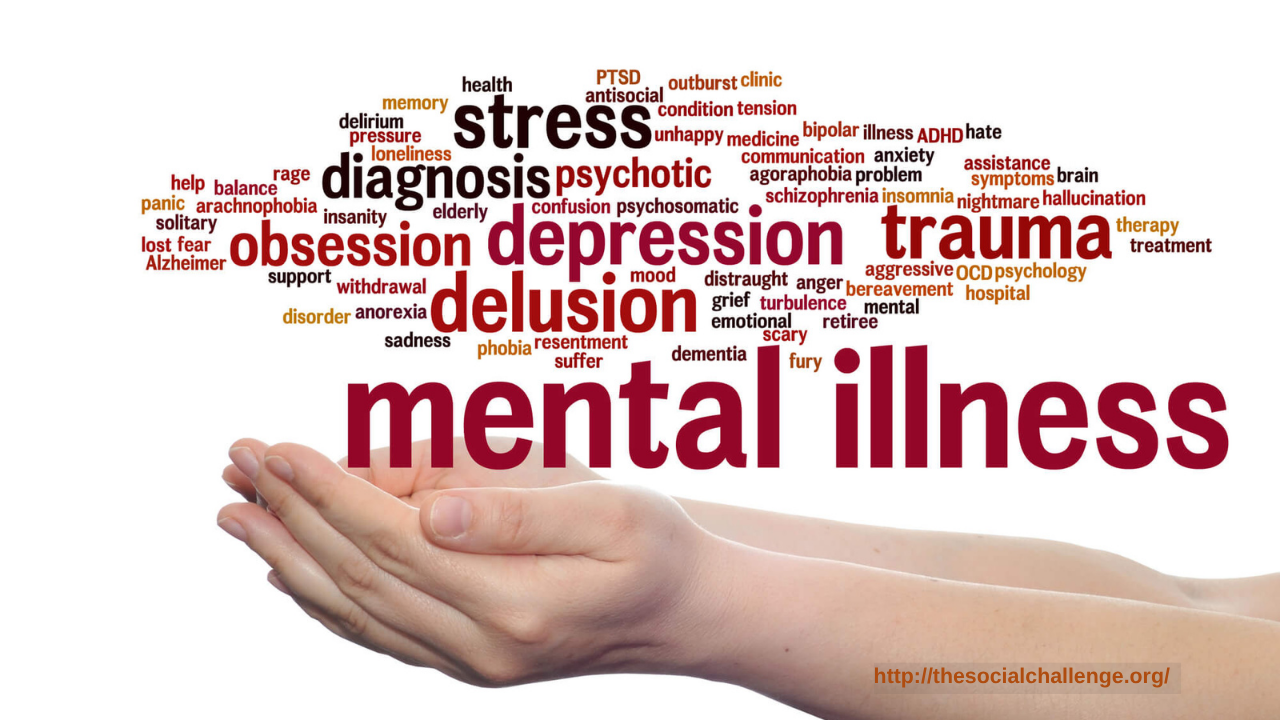
From Stigma to Support: Rewriting the Story of Mental Illness

Mental illness has long carried a burden of silence, shame, and misunderstanding. For many individuals and families, the fear of being judged has often outweighed the desire to seek help. At The Social Challenge, we believe it’s time to rewrite that story. With the right support, compassionate care, and informed communities, we can transform the narrative surrounding mental health from one rooted in stigma to one that embraces healing, dignity, and hope.

Understanding the Impact of Stigma

How Misconceptions Harm Recovery

Stigma surrounding mental illness and addiction isn’t just a social issue. It directly impacts how individuals approach treatment and recovery. When people internalize negative beliefs about their condition, they are less likely to seek support or believe in their ability to heal. This cycle of shame leads to isolation, worsening symptoms, and in many cases, a delay in receiving life-changing care.

At The Social Challenge, we regularly work with individuals who have experienced the weight of these misconceptions. Through our individualized and holistic treatment programs, we help them regain confidence in their identity and rediscover the strength within themselves to recover and thrive.

Breaking Down the Stereotypes

Mental illness does not discriminate. It affects people from all walks of life—regardless of age, background, income, or faith. Conditions like depression, anxiety, PTSD, and substance use disorder are not signs of weakness. They are health conditions that require clinical care, spiritual restoration, and emotional support.

When we begin to speak openly about these issues, we start to shift the narrative. Talking about mental health should be as normal and accepted as discussing any other medical concern. It’s this shift that leads to stronger communities, healthier families, and empowered individuals.

The Social Challenge Approach: Compassionate, Client-Centered Healing

A Safe Place to Be Heard and Heal

Our inpatient and outpatient mental health programs are designed to provide not just clinical care, but emotional safety. We understand that each person’s journey is different, which is why we build customized treatment plans that align with individual needs, goals, and values.

Our approach integrates faith-based healing, holistic therapies, and evidence-based clinical support. We address not only the symptoms but the root causes, such as trauma, grief, or unresolved emotional wounds. Clients at The Social Challenge don’t just learn to cope—they learn to heal from within.

Support Beyond the Diagnosis

Recovery is more than a diagnosis or discharge date. It’s a lifelong process of growth and transformation. That’s why we offer ongoing support, relapse prevention tools, spiritual mentorship, and peer community connections. When individuals are surrounded by a network that believes in their recovery, they are far more likely to achieve long-term wellness.

Shaping a Healthier Future Together

What You Can Do to End the Stigma

Ending the stigma around mental illness begins with us—individually and collectively. You can:

  • Speak openly and compassionately about mental health
  • Educate yourself and others on the realities of mental illness and addiction
  • Offer support rather than judgment when someone is struggling
  • Encourage loved ones to seek professional care without shame

When we choose support over silence, we create space for healing to begin.

Take the First Step Toward Healing Today

If you or someone you love is living with the effects of mental illness or addiction, know that you are not alone. At The Social Challenge, we are committed to walking alongside you with compassion, faith, and individualized care that treats the whole person. Your story does not end with a diagnosis—it begins with recovery.

Contact us today to learn more about our mental health and addiction recovery services. Together, we can rewrite the story—and it starts with support.