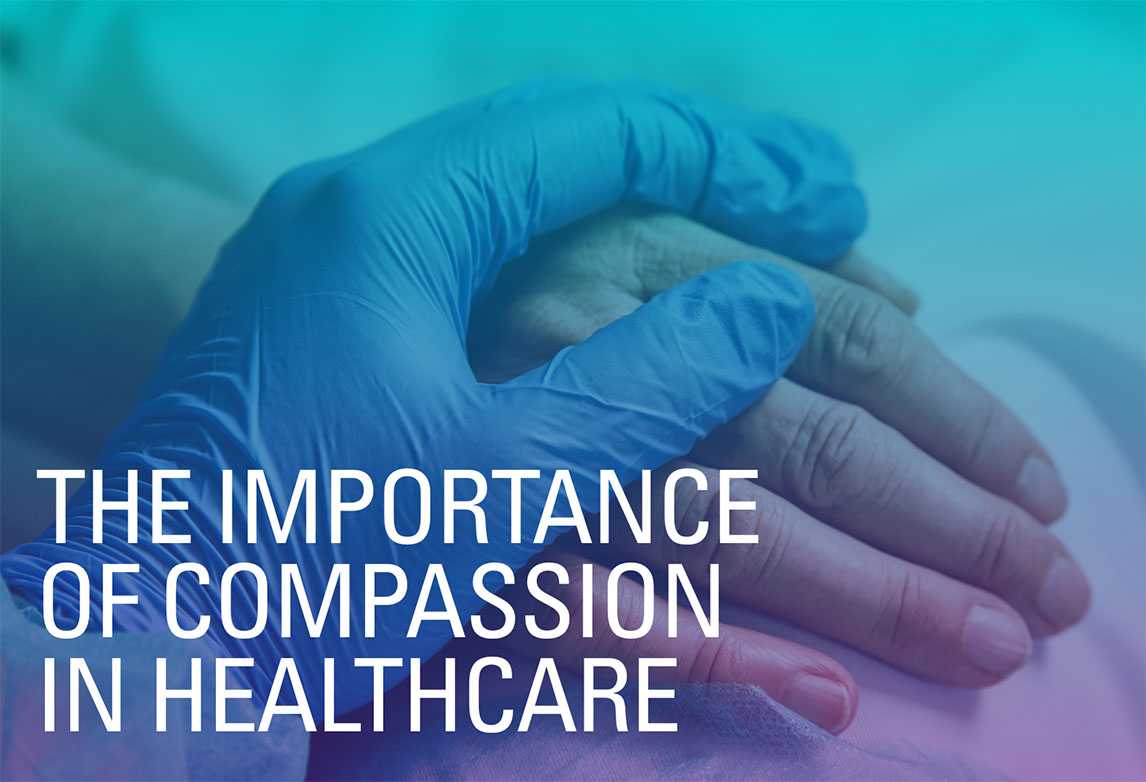
Mental health challenges and addiction are often accompanied by stigma, misunderstanding, and judgment. These barriers can prevent individuals from seeking the help they need and make recovery feel like a lonely journey. At The Social Challenge, we understand that kindness and compassion are not just values—they are powerful tools that transform care. By prioritizing empathy and respect in mental health treatment, we help individuals feel seen, heard, and supported, creating a foundation for lasting recovery.
The Importance of Compassion in Mental Health Care
How Judgment Hinders Recovery
Judgment and stigma can create emotional barriers that keep individuals from accessing treatment. Words and attitudes that convey blame or shame may cause someone to hide their struggles, delay seeking help, or disengage from care. This not only slows recovery but also contributes to isolation, anxiety, and depression.
By replacing judgment with kindness, we provide space for healing. Compassion communicates acceptance, understanding, and encouragement, helping clients take the courageous steps necessary for recovery.
Understanding the Person Beyond the Diagnosis
Every individual is unique, with a story, strengths, and potential that extend beyond their mental health challenges. Viewing someone only through the lens of their diagnosis limits the ability to provide effective care. At The Social Challenge, we prioritize person-centered treatment, ensuring that clients are seen as individuals with intrinsic value, not defined by their struggles.
Integrating Compassion into Treatment
Holistic and Faith-Based Approaches
Healing goes beyond addressing symptoms. Our holistic programs focus on mind, body, and spirit. Therapies may include mindfulness, wellness practices, nutrition, and life skills, all designed to strengthen resilience and improve overall well-being.
For those seeking spiritual guidance, faith-based programs offer a framework for hope, meaning, and purpose. Integrating spirituality into recovery fosters inner strength and helps clients reconnect with their values, enhancing long-term success.
Individualized and Flexible Care
No two recovery journeys are alike. Our inpatient and outpatient programs are tailored to meet each person’s specific needs. By customizing treatment plans, we honor the unique experiences of each client, ensuring care is both practical and empowering. This individualized approach, grounded in compassion, increases engagement and improves outcomes.
Building a Compassionate Community
Peer and Family Support
Recovery thrives in environments where people feel connected. Peer support groups, family involvement, and mentorship programs provide safe spaces for clients to share experiences, learn coping strategies, and build trust. These supportive networks reduce isolation and reinforce the message that no one needs to navigate recovery alone.
Shifting Societal Perspectives
Communities play a critical role in shaping attitudes about mental health and addiction. Promoting empathy, understanding, and awareness helps dismantle stigma. Encouraging open dialogue, using person-first language, and celebrating progress rather than judging mistakes cultivates a culture where recovery is recognized and valued.
Practical Steps to Lead with Kindness
- Listen actively. Offer attention and empathy without judgment.
- Use respectful language. Focus on the person, not their condition.
- Educate yourself and others. Understanding mental health reduces fear and misinformation.
- Encourage community involvement. Support local programs and initiatives that promote compassionate care.
Kindness as a Catalyst for Healing
Kindness is more than an attitude—it is a vital component of effective mental health treatment. At The Social Challenge, compassionate care, holistic approaches, and faith-based guidance empower individuals to overcome addiction and mental health challenges. By fostering empathy, understanding, and inclusion, we help clients rediscover hope, resilience, and purpose.
If you or a loved one is struggling, reach out today. Together, we can build a culture of compassion where recovery is possible, stigma is diminished, and every person is supported on their journey toward lasting wellness.