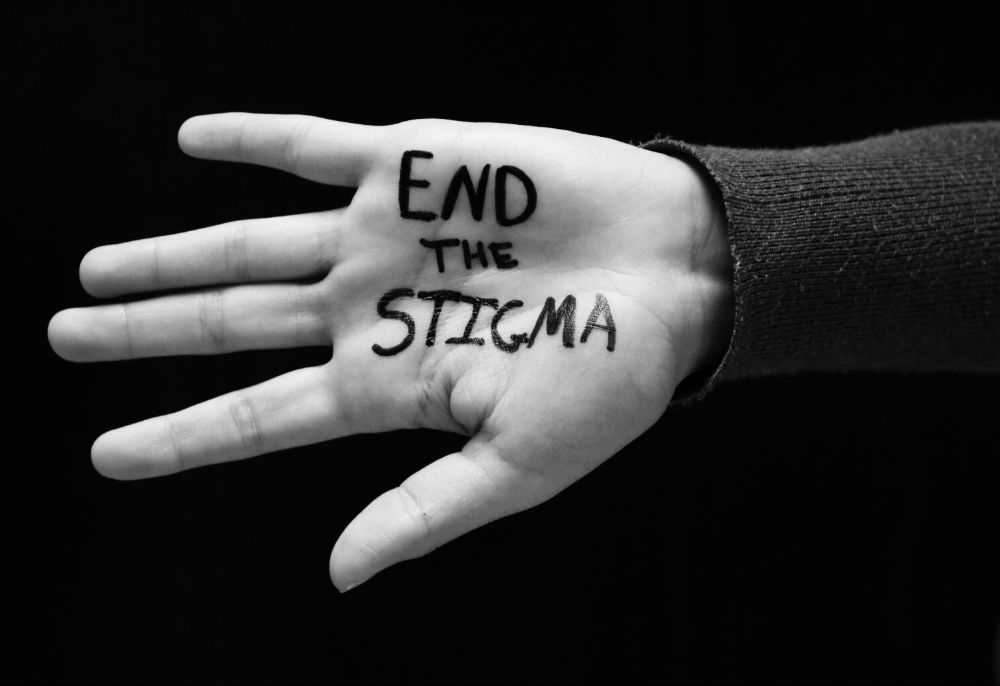
No Judgment, Just Healing: A Call to Rethink Addiction and Mental Health Stigma in Today’s Society

Judgment has long shaped how society responds to addiction and mental health challenges, often creating barriers that prevent people from getting the help they need. Too many individuals struggling with substance use or mental health conditions feel misunderstood, labeled, or dismissed instead of supported. At The Social Challenge, we believe it is time to shift the focus from judgment to healing. When stigma is replaced with compassion, more people are able to access addiction recovery services and mental health treatment that truly change lives.

Healing begins the moment people feel safe enough to ask for help without fear of being judged.

Understanding the Harmful Impact of Stigma

Stigma is one of the most significant obstacles in recovery. It can appear in subtle ways, such as assumptions, stereotypes, or even silence. These experiences can lead individuals to feel ashamed of their struggles, which often delays or prevents them from seeking treatment.

When someone believes they will be judged for their condition, they are more likely to hide their symptoms or avoid reaching out altogether. This delay can make both addiction and mental health conditions more severe over time.

How Misconceptions Shape Public Perception

Many people still believe addiction is a choice or a sign of moral weakness. Mental health conditions are often misunderstood as something a person should be able to control on their own. These misconceptions are not only inaccurate, but also harmful.

In reality, addiction and mental illness are complex conditions influenced by biological, psychological, and environmental factors. Understanding this helps replace blame with compassion and opens the door to meaningful recovery.

Why Compassion Is the Foundation of Healing

Compassion is essential in both addiction recovery and mental health treatment. It creates an environment where individuals feel seen, heard, and respected. At The Social Challenge, compassionate care is at the center of everything we do.

When individuals experience compassion instead of judgment, they are more likely to engage in treatment, remain consistent in care, and build trust with their providers. This emotional safety is often the first step toward lasting recovery.

Holistic Treatment That Supports the Whole Person

True healing requires more than addressing symptoms alone. Holistic care focuses on the mind, body, and spirit together. This approach recognizes that addiction and mental health challenges affect every area of a person’s life.

Holistic treatment may include therapy, emotional support, wellness practices, and structured recovery planning. By addressing the whole person, individuals can rebuild stability and develop healthier coping strategies for long term success.

Faith Based Support as a Source of Strength

For many individuals, faith plays a meaningful role in recovery. Faith based support can provide hope, purpose, and emotional strength during difficult moments. It encourages reflection, forgiveness, and personal growth.

When combined with clinical care, faith based approaches help individuals reconnect with meaning and motivation, which strengthens their recovery journey.

The Importance of Individualized Care in Recovery

No two recovery journeys are the same. That is why individualized care is essential in both addiction recovery and mental health treatment. At The Social Challenge, treatment plans are tailored to each person’s needs, goals, and circumstances.

Some individuals benefit from inpatient care that provides structure and intensive support. Others do better in outpatient programs that allow them to continue daily responsibilities while receiving treatment. Personalized care ensures that each person receives the right level of support at the right time.

How Society Can Shift From Judgment to Healing

Creating a culture of healing requires collective effort. Families, communities, and individuals all play a role in reducing stigma and supporting recovery.

Practical Steps Toward a More Compassionate Society

  1. Use respectful, person first language when discussing addiction and mental health.
  2. Learn about the realities of substance use and mental illness from credible sources.
  3. Encourage open conversations without shame or blame.
  4. Support early access to professional addiction recovery and mental health services.
  5. Listen with empathy when someone shares their experience.

These actions may seem small, but they can create meaningful change in how people experience recovery.

Conclusion: Healing Begins Without Judgment

Rethinking stigma is not just about changing opinions. It is about changing lives. When people are met with understanding instead of judgment, they are far more likely to seek help and begin the healing process.

At The Social Challenge, we provide holistic, faith based, and individualized addiction recovery and mental health treatment designed to support lasting transformation. Our inpatient and outpatient programs are built on compassion, respect, and clinical expertise.

If you or someone you love is struggling, reaching out for help is a powerful first step. Contact The Social Challenge today to begin a journey toward healing, support, and a life free from judgment.

Rewriting the Narrative: How Compassionate Conversations Can Transform Addiction and Mental Health Care

The way society talks about addiction and mental health has a direct impact on recovery. Words can either build bridges to healing or deepen the isolation many individuals already feel. For too long, conversations around substance use and mental illness have been shaped by stigma, misunderstanding, and judgment. At The Social Challenge, we believe it is time to rewrite that narrative. Compassionate conversations have the power to transform addiction recovery and mental health care by encouraging understanding, reducing shame, and helping more people seek the support they deserve.

When people feel heard instead of judged, recovery becomes more possible.

Why the Language Around Addiction and Mental Health Matters

Language influences how individuals view themselves and how society responds to those who are struggling. Harmful labels and dismissive comments can reinforce feelings of shame, making it harder for people to reach out for help. On the other hand, compassionate and respectful communication creates a sense of safety and belonging.

Many individuals living with addiction or mental health conditions already carry emotional burdens such as guilt, fear, or hopelessness. Negative conversations only add to that weight. Changing the way we speak about recovery can help remove barriers to treatment and create healthier, more supportive communities.

The Problem With Judgment Based Narratives

For years, addiction has been misunderstood as a moral failure rather than a complex medical condition. Mental health disorders have often been minimized or ignored entirely. These outdated narratives lead people to believe they should hide their struggles instead of seeking support.

Judgment based thinking can also affect families and communities. Loved ones may avoid difficult conversations or unintentionally reinforce stigma because they do not fully understand the realities of addiction and mental illness.

Compassionate conversations help replace misinformation with education and empathy.

How Compassion Supports Recovery and Healing

Compassion is not simply about being kind. It is about listening without judgment, responding with empathy, and recognizing the humanity of every individual. At The Social Challenge, compassionate care is woven into every aspect of treatment.

When individuals feel respected and understood, they are more likely to engage in addiction recovery services and mental health treatment. They begin to trust the process and believe that healing is possible.

Holistic Care Creates Deeper Healing

True recovery goes beyond managing symptoms. Holistic care addresses emotional, physical, mental, and spiritual well being together. This approach recognizes that addiction and mental health challenges affect every part of a person’s life.

Holistic treatment may include therapy, wellness practices, emotional support, and life skill development. By treating the whole person, recovery becomes more sustainable and meaningful.

The Value of Faith Based Support

Faith based care can also play an important role in healing. Many individuals find strength, purpose, and hope through spiritual guidance during recovery. Faith based approaches encourage reflection, forgiveness, and personal growth while complementing professional treatment services.

At The Social Challenge, faith based support is integrated with evidence based care to provide a balanced and individualized recovery experience.

The Importance of Individualized Treatment

Every person’s recovery journey is different. That is why individualized treatment is essential. Some people benefit from structured inpatient care that provides around the clock support and stability. Others thrive in outpatient programs that allow them to continue working, caring for family, or maintaining daily responsibilities while receiving treatment.

Personalized care plans ensure that treatment aligns with each individual’s unique needs, challenges, and goals. This client centered approach increases engagement and improves long term recovery outcomes.

How Communities Can Help Rewrite the Narrative

Transforming addiction and mental health care requires more than clinical treatment alone. Communities also play a powerful role in shaping perceptions and reducing stigma.

Practical Ways to Encourage Compassionate Conversations

  1. Use respectful, person first language when discussing addiction or mental health.
  2. Avoid making assumptions about someone’s struggles or recovery journey.
  3. Encourage open and honest conversations without criticism or shame.
  4. Learn more about mental health treatment and addiction recovery services.
  5. Support loved ones in seeking professional care early.

These actions help create environments where individuals feel safe enough to ask for help and begin healing.

Conclusion: Changing Conversations Can Change Lives

Rewriting the narrative around addiction and mental health begins with compassion. When conversations become more understanding and supportive, individuals are more likely to seek treatment, stay engaged in recovery, and rebuild their lives with confidence.

At The Social Challenge, we provide holistic, faith based, and individualized addiction recovery and mental health treatment designed to support lasting healing. Through inpatient and outpatient care, compassionate guidance, and client centered support, we help individuals move forward with hope and strength.

If you or someone you love is struggling, you do not have to face it alone. Contact The Social Challenge today to learn how compassionate care can help create a healthier and more fulfilling future.

Breaking the Cycle of Stigma: Creating a Healthier Future for Mental Health and Substance Use Recovery

Stigma continues to shape how society understands mental health and substance use disorders, often preventing people from seeking the help they need. Misconceptions, judgment, and silence create barriers that delay addiction recovery and mental health treatment, sometimes with serious consequences. At The Social Challenge, we believe that breaking the cycle of stigma is essential for building a healthier, more compassionate future. When people are met with understanding instead of judgment, they are far more likely to seek care, stay engaged in treatment, and achieve lasting recovery.

Changing this cycle is not only possible, it is necessary.

Understanding How Stigma Impacts Recovery

Stigma is one of the most significant barriers in addiction recovery and mental health treatment. It often shows up in subtle but harmful ways, such as labeling individuals, making assumptions, or minimizing their struggles. These experiences can cause individuals to feel ashamed or misunderstood, which may prevent them from reaching out for help.

When stigma is present, people are less likely to access inpatient or outpatient care, even when they are in need. This delay can allow symptoms to worsen and make recovery more challenging.

The Emotional Weight of Judgment

Judgment does not just affect behavior. It affects identity. Many individuals begin to believe the negative messages they hear about addiction and mental illness. This can lead to self blame, isolation, and hopelessness.

Over time, this emotional burden can make it harder to take the first step toward treatment. That is why shifting from judgment to understanding is so important in creating pathways to recovery.

Why Compassion Is the Key to Breaking the Cycle

Compassion is one of the most powerful tools in recovery. It helps rebuild trust, reduce shame, and create safe environments where individuals feel supported. At The Social Challenge, compassion is not an abstract idea. It is a core part of how care is delivered every day.

When individuals feel respected and understood, they are more willing to engage in treatment and remain committed to their recovery journey.

Holistic Care for Whole Person Healing

Recovery is not just about addressing symptoms. It is about supporting the whole person. Holistic care considers emotional, physical, and spiritual well being together, recognizing that each part plays a role in healing.

This approach may include therapy, wellness practices, emotional support, and structured recovery planning. By addressing multiple aspects of life, holistic care helps individuals rebuild balance and stability.

Faith Based Support and Renewed Purpose

Faith based support can also play an important role in recovery for many individuals. It offers hope, meaning, and strength during difficult moments. Faith can help individuals reflect, find forgiveness, and reconnect with purpose.

When combined with professional treatment, faith based care becomes a powerful source of encouragement and resilience.

Creating a Future Without Stigma

Breaking the cycle of stigma requires collective action. Families, communities, healthcare providers, and individuals all have a role to play in shaping a more supportive environment for recovery.

Practical Ways to Reduce Stigma

  1. Use respectful, person first language when discussing addiction and mental health.
  2. Educate yourself and others about the realities of substance use and mental illness.
  3. Encourage open and honest conversations without judgment.
  4. Support early access to addiction recovery and mental health services.
  5. Practice empathy when someone shares their experiences.

Even small changes in how we speak and respond can create meaningful cultural shifts over time.

The Importance of Individualized Treatment

No two recovery journeys are the same. That is why individualized care is essential in both addiction recovery and mental health treatment. At The Social Challenge, treatment plans are tailored to each person’s unique needs, goals, and circumstances.

Some individuals benefit from structured inpatient care, while others do better in outpatient programs that allow flexibility and continued support. Personalized care ensures that each person receives the right level of treatment at the right time.

Conclusion: A Healthier Future Starts With Understanding

Breaking the cycle of stigma is one of the most important steps toward improving mental health and substance use recovery outcomes. When people feel understood instead of judged, they are more likely to seek help and begin healing.

At The Social Challenge, we provide holistic, faith based, and individualized addiction recovery and mental health treatment designed to support lasting change. Our inpatient and outpatient programs are built on compassion, respect, and clinical expertise.

If you or someone you love is struggling, reaching out for help is a powerful first step. Contact The Social Challenge today to begin a journey toward healing, support, and a healthier future.

From Misunderstanding to Compassion: How Society Can Better Support Addiction Recovery and Mental Health Treatment

Misunderstanding has shaped how society views addiction and mental health for far too long. People struggling with substance use disorders or mental health conditions are often judged instead of supported, labeled instead of understood, and isolated instead of guided toward care. At The Social Challenge, we believe that shifting from misunderstanding to compassion is essential for improving access to addiction recovery services and mental health treatment. When people are met with empathy instead of stigma, they are more likely to seek help, engage in care, and achieve lasting recovery.

Changing how society responds is not just a cultural improvement. It is a life saving necessity.

How Misunderstanding Creates Barriers to Recovery

Misunderstanding often comes from misinformation and lack of awareness. Addiction is still widely seen as a moral failure rather than a complex medical condition. Mental health challenges are frequently dismissed as emotional weakness or something that can be overcome through willpower alone.

These beliefs create barriers that prevent people from reaching out for help. When individuals feel judged, they are less likely to seek inpatient or outpatient care, even when they are struggling significantly. Families may also hesitate to discuss these issues openly, which can delay treatment and worsen outcomes.

The Emotional Cost of Stigma

Stigma does not only affect access to care. It also impacts self worth. Many individuals internalize negative beliefs about addiction and mental illness, leading to shame, secrecy, and emotional withdrawal.

This emotional burden can make recovery feel impossible. However, when compassion replaces judgment, individuals begin to see that healing is not only possible but also supported by others who care about their well being.

Why Compassion Changes Everything in Recovery

Compassion transforms the recovery experience. It creates a safe environment where individuals feel seen, respected, and valued. At The Social Challenge, compassion is at the core of every treatment plan. We treat each client as a whole person, not a diagnosis.

When people feel understood, they are more willing to participate in therapy, follow treatment plans, and stay engaged in their recovery journey.

The Role of Holistic Care in Healing

Holistic care supports recovery by addressing the mind, body, and spirit together. Instead of focusing only on symptoms, holistic treatment looks at the full picture of a person’s life. This may include emotional support, stress management, wellness practices, and therapeutic interventions.

This approach helps individuals rebuild balance and stability in their lives, which is essential for long term recovery success.

Faith Based Support and Personal Growth

For many individuals, faith provides a foundation of strength during recovery. Faith based support can offer hope, purpose, and guidance through difficult moments. It also encourages reflection, forgiveness, and personal growth.

When combined with clinical care, faith based approaches help individuals reconnect with meaning and motivation in their lives, which strengthens their commitment to recovery.

Building a More Compassionate Society

Shifting from misunderstanding to compassion requires collective effort. Families, communities, and professionals all play an important role in changing how addiction and mental health are perceived and discussed.

Practical Steps to Encourage Compassion

  1. Use respectful, person first language when talking about addiction or mental health.
  2. Educate yourself about the realities of substance use and mental health conditions.
  3. Encourage open conversations without judgment or blame.
  4. Support early access to professional addiction recovery and mental health treatment.
  5. Listen with empathy when someone shares their experience.

These actions may seem simple, but they have a powerful impact on reducing stigma and encouraging people to seek help sooner.

The Importance of Individualized Care

No two recovery journeys are the same. That is why individualized care is essential. At The Social Challenge, treatment plans are tailored to each person’s unique needs, goals, and circumstances. Some individuals benefit from structured inpatient care, while others find success in outpatient programs that offer flexibility and ongoing support.

Personalized care ensures that treatment is relevant and effective, which improves engagement and long term outcomes.

Conclusion: Compassion Opens the Door to Healing

Moving from misunderstanding to compassion is one of the most important changes society can make. When individuals are met with understanding instead of judgment, they are more likely to seek help, stay in treatment, and build healthier lives.

At The Social Challenge, we provide holistic, faith based, and individualized addiction recovery and mental health treatment designed to support every stage of healing. Our inpatient and outpatient programs are built on empathy, respect, and clinical expertise.

If you or someone you love is struggling, reaching out for help is a courageous first step. Contact The Social Challenge today to begin a journey toward compassion, support, and lasting recovery.

Ending the Silence: Why Changing How We Talk About Addiction and Mental Health Matters More Than Ever

Silence has long surrounded addiction and mental health struggles, but that silence comes at a cost. It fuels stigma, delays treatment, and leaves individuals feeling isolated when they need support the most. At The Social Challenge, we believe that changing how we talk about addiction and mental health is not just helpful, it is essential. Words shape perception, and perception shapes action. When conversations shift from judgment to understanding, more people feel safe enough to seek addiction recovery services and mental health treatment that can truly change their lives.

Ending the silence begins with awareness, but it continues through compassion, education, and access to care that treats people with dignity.

Why Silence Around Addiction and Mental Health Is Harmful

Silence often comes from discomfort or misunderstanding. Many people avoid conversations about substance use or mental health because they are unsure what to say or fear saying the wrong thing. Unfortunately, this silence reinforces stigma and prevents individuals from reaching out for help.

When someone struggling feels they cannot speak openly, they are more likely to hide their symptoms, avoid treatment, or delay care. This can lead to worsening mental health conditions, increased substance use, and greater emotional distress over time.

Silence does not protect people. It isolates them.

The Role of Stigma in Delaying Treatment

Stigma is one of the biggest barriers to recovery. It often shows up in subtle ways, such as labeling, assumptions, or dismissive comments. People may believe addiction is a lack of willpower or that mental health conditions are something to “push through.”

These beliefs are not only inaccurate but harmful. They prevent early intervention and discourage individuals from accessing inpatient or outpatient care when it could make the greatest difference.

Changing the Conversation Changes Outcomes

When we change how we talk about addiction and mental health, we change how people experience them. Language that is respectful and compassionate helps reduce shame and encourages individuals to seek help earlier.

At The Social Challenge, we emphasize person centered, holistic care that supports the whole individual. Every person is more than their diagnosis. They are a human being with strengths, challenges, and the capacity to heal.

Why Compassion Is a Core Part of Recovery

Compassion is not optional in recovery. It is foundational. When individuals feel judged, they withdraw. When they feel understood, they engage.

Compassionate care creates a safe space where people can explore their experiences without fear. This is especially important in addiction recovery and mental health treatment, where vulnerability is often part of the healing process.

Our approach combines clinical expertise with emotional understanding, ensuring that every client receives care that is both effective and respectful.

Holistic and Faith Based Support in Treatment

Recovery is not only about treating symptoms. It is about rebuilding a person’s entire life. Holistic care addresses emotional, physical, and spiritual well being together, creating a more complete healing process.

Faith based support can also play a meaningful role for many individuals. It provides hope, structure, and a sense of purpose during difficult moments in recovery. When combined with professional treatment, it strengthens resilience and supports long term growth.

The Importance of Accessible and Individualized Care

No two recovery journeys are the same. That is why individualized treatment is essential. Some individuals benefit from structured inpatient care, while others thrive in outpatient programs that allow them to continue daily responsibilities while receiving support.

At The Social Challenge, care is tailored to each individual’s needs, ensuring that treatment is relevant, practical, and sustainable. This personalized approach increases engagement and improves long term recovery outcomes.

Practical Ways to Help End the Silence

Everyone has a role in changing the conversation around mental health and addiction. Here are simple but powerful ways to help:

  1. Use respectful, person first language when discussing addiction or mental health.
  2. Listen without interrupting or judging when someone shares their experience.
  3. Encourage open conversations in families and communities.
  4. Learn about addiction and mental health from credible sources.
  5. Support early access to professional treatment and recovery services.

Even small changes in language and attitude can make a meaningful difference.

Conclusion: Silence Ends When Understanding Begins

Ending the silence around addiction and mental health is one of the most important steps toward creating healthier communities. When conversations become more open, compassionate, and informed, individuals are more likely to seek help and begin recovery.

At The Social Challenge, we provide holistic, faith based, and individualized addiction recovery and mental health treatment designed to support lasting healing. Our inpatient and outpatient programs are built on respect, empathy, and clinical excellence.

If you or someone you love is struggling, you do not have to face it alone. Reaching out for help is a powerful first step. Contact The Social Challenge today to begin a path toward understanding, support, and lasting recovery.

Redefining Strength: How Understanding Can Break the Cycle of Addiction and Mental Illness Stigma

Strength is often misunderstood. Many people believe strength means hiding pain, pushing through struggles alone, or never asking for help. In reality, true strength looks very different, especially when it comes to addiction and mental health challenges. It looks like honesty, vulnerability, and the courage to seek support. At The Social Challenge, we believe that understanding is what truly redefines strength and breaks the cycle of stigma that surrounds addiction recovery and mental health treatment.

When society begins to understand rather than judge, people gain access to care earlier, heal more effectively, and rebuild their lives with dignity.

How Misunderstanding Fuels Stigma in Addiction and Mental Health

Stigma does not appear out of nowhere. It is built from misunderstanding, stereotypes, and outdated beliefs. Many people still assume that addiction is simply a lack of discipline or that mental illness is something someone should be able to “snap out of.” These assumptions are not only incorrect, they are harmful.

When individuals internalize these beliefs, they may feel ashamed of their struggles. This shame often prevents them from seeking addiction recovery services or mental health treatment until their condition becomes severe. Families may also hesitate to talk openly about these issues, which increases isolation and delays support.

The Cost of Silence

Silence is one of the most damaging effects of stigma. When people do not feel safe to speak about their struggles, they suffer alone. This can lead to worsening mental health symptoms, increased substance use, and deeper emotional distress.

Early intervention is one of the most effective tools in recovery. However, silence caused by stigma often blocks that opportunity. Understanding breaks this silence and creates space for healing to begin sooner.

Understanding as the Foundation of Real Strength

Understanding shifts how we see addiction and mental illness. Instead of labeling individuals, we begin to see the full picture of their experience. Addiction is recognized as a complex condition influenced by brain chemistry, environment, trauma, and emotional health. Mental illness is understood as a medical condition that requires care, not judgment.

At The Social Challenge, understanding is the foundation of every treatment plan. Our approach is compassionate, individualized, and client-centered, ensuring that every person is treated with respect and dignity.

Holistic and Individualized Treatment Approaches

Recovery is not one size fits all. That is why holistic care is essential. It addresses the mind, body, and spirit together, rather than focusing only on symptoms. This approach may include therapy, emotional support, wellness practices, and structured recovery planning.

Individualized care ensures that each client receives support that matches their unique needs. Whether someone enters inpatient treatment for intensive care or outpatient programs for continued flexibility, their recovery journey is tailored to their situation and goals.

Faith-Based Support in Recovery

For many individuals, faith provides strength during difficult moments. Faith-based support can offer hope, purpose, and emotional grounding throughout recovery. It encourages forgiveness, reflection, and personal growth.

When combined with clinical care, faith-based support becomes a powerful tool that helps individuals rebuild their identity beyond addiction or mental health challenges.

How Communities Can Redefine Strength Through Understanding

Breaking stigma is not only the responsibility of healthcare providers. It is a shared responsibility that includes families, communities, and society as a whole.

Practical Ways to Build Understanding

  1. Replace judgmental language with respectful, person-first communication.
  2. Educate yourself about addiction and mental health conditions.
  3. Listen to others without immediately offering criticism or advice.
  4. Encourage loved ones to seek professional help early.
  5. Support community conversations that normalize mental health care.

These actions may seem simple, but they create meaningful cultural change over time. When understanding becomes the norm, stigma loses its power.

Why Understanding Strengthens Recovery Outcomes

When individuals feel understood, they are more likely to engage in treatment and remain committed to recovery. Understanding reduces shame and builds trust, both of which are essential for healing.

At The Social Challenge, we see this transformation every day. Clients who once felt isolated begin to reconnect with themselves and others. They develop healthier coping skills, stronger relationships, and renewed hope for the future.

Conclusion: True Strength Is Found in Understanding

Redefining strength means letting go of outdated beliefs and embracing compassion. It means recognizing that seeking help is not weakness, but courage. Understanding breaks the cycle of stigma and opens the door to meaningful recovery and mental wellness.

At The Social Challenge, we provide holistic, faith-based, and individualized addiction recovery and mental health treatment designed to support every step of the healing journey. Our inpatient and outpatient programs are built on empathy, respect, and clinical expertise.

If you or someone you love is struggling, reaching out for help is a powerful act of strength. Contact The Social Challenge today and take the first step toward healing, understanding, and lasting recovery.

Creating Safe Spaces: Ending Stigma Around Mental Health and Substance Use

Safe spaces are not a luxury in mental health and addiction recovery. They are a necessity. For individuals struggling with substance use disorders or mental health conditions, feeling safe enough to speak openly can be the difference between continuing in silence and beginning the path toward healing. Yet stigma still prevents many people from reaching out for addiction recovery services or mental health treatment when they need it most. At The Social Challenge, we believe that ending stigma starts with creating environments where honesty is met with compassion, not judgment.

When safe spaces exist, recovery becomes more accessible, more human, and more sustainable.

Why Safe Spaces Matter in Recovery

A safe space is more than a physical setting. It is an emotional environment where individuals feel respected, heard, and supported. In the context of addiction and mental health treatment, safe spaces allow people to share their experiences without fear of criticism or rejection.

Without these spaces, stigma takes over. People may hide their struggles, avoid seeking help, or delay treatment until conditions worsen. This delay can increase emotional distress and make recovery more complex.

Safe spaces help interrupt this cycle by replacing fear with trust and isolation with connection.

The Impact of Stigma on Mental Health and Substance Use

Stigma often shows up as judgment, stereotypes, or misinformation. Addiction is still widely misunderstood as a lack of discipline, while mental health conditions are sometimes viewed as personal weakness. These beliefs are harmful and inaccurate.

They create shame, and shame leads to silence. Silence delays treatment. When treatment is delayed, recovery becomes harder. Breaking this cycle requires education, empathy, and consistent support systems that encourage individuals to seek help early.

How Compassion Builds Safe Spaces

Compassion is the foundation of every effective recovery environment. At The Social Challenge, we prioritize compassionate, client-centered care that recognizes each individual’s dignity and worth. People are not defined by their diagnosis. They are individuals with unique stories, strengths, and goals.

When compassion leads the way, individuals feel safe enough to engage in both inpatient and outpatient care programs. They are more likely to open up, participate in treatment, and stay committed to long-term recovery.

Holistic and Individualized Care Approaches

Safe spaces must address the whole person. That is why holistic care is essential in addiction recovery and mental health treatment. Holistic approaches consider emotional, physical, and spiritual well-being together rather than treating symptoms in isolation.

Individualized care plans ensure that each person receives support tailored to their specific needs. This may include therapy, wellness practices, structured support, and personalized recovery planning. When care is individualized, individuals feel seen and understood, which strengthens trust and engagement.

Faith-Based Support in Healing Environments

For many individuals, faith plays a meaningful role in recovery. Faith-based support can provide hope, grounding, and a sense of purpose during difficult moments. It encourages reflection, forgiveness, and personal growth.

When combined with clinical care, faith-based approaches help create emotionally safe environments where individuals feel supported on every level of their recovery journey.

Building Safe Spaces Beyond Treatment Centers

Creating safe spaces is not limited to treatment facilities. Families, workplaces, schools, and communities all play a role in ending stigma around mental health and substance use.

Practical Ways to Create Supportive Environments

  1. Use respectful, person-first language when discussing addiction or mental health.
  2. Listen without interrupting, judging, or offering immediate criticism.
  3. Encourage open conversations about mental health without shame.
  4. Support early access to professional addiction recovery and mental health services.
  5. Educate yourself and others about the realities of substance use and mental illness.

These actions help normalize recovery and reduce fear around seeking help.

The Role of Community in Safe Spaces

Recovery is strengthened through connection. Peer support groups, family involvement, and community education all contribute to safer environments. When individuals feel supported by those around them, they are more likely to remain engaged in treatment and maintain long-term progress.

At The Social Challenge, we emphasize community as a vital part of healing. Recovery is not meant to be a solitary experience. It is a shared journey supported by understanding and encouragement.

Conclusion: Safe Spaces Save Lives

Creating safe spaces is one of the most powerful ways to end stigma around mental health and substance use. When individuals feel safe, they feel seen. When they feel seen, they are more likely to seek help. And when they seek help, recovery becomes possible.

At The Social Challenge, we provide holistic, faith-based, and individualized addiction recovery and mental health treatment designed to meet people where they are. Our inpatient and outpatient programs are built on compassion, respect, and clinical expertise.

If you or someone you love is struggling, reaching out for help is a courageous first step. Contact The Social Challenge today to begin a journey toward healing in a safe, supportive, and understanding environment.

Shattering Myths: Why Compassion Matters in Addiction Recovery and Mental Wellness

Misunderstanding continues to shape how society responds to addiction and mental health challenges. Many people still believe harmful myths that label individuals as weak, irresponsible, or beyond help. These beliefs do more than distort the truth. They create barriers that prevent people from seeking addiction recovery and mental health treatment. At The Social Challenge, we know that compassion is not just a kind response. It is a critical component of effective care. When myths are replaced with understanding, individuals are far more likely to pursue healing and sustain long term recovery.

The Most Common Myths About Addiction and Mental Health

False beliefs about addiction and mental illness can take many forms. Some people think addiction is simply a choice. Others believe mental health conditions can be overcome with willpower alone. These assumptions ignore the complex biological, psychological, and environmental factors that contribute to both conditions.

Another common myth is that people must hit a breaking point before treatment will work. In reality, early intervention often leads to better outcomes. Waiting for a crisis only increases risk and prolongs suffering.

How These Myths Create Barriers

When individuals internalize these myths, they often feel shame and self doubt. This can lead to secrecy and avoidance of professional care. Families may also struggle to respond effectively, especially if they believe misinformation about addiction recovery or mental health treatment.

Breaking these myths is essential. When people understand that these are treatable conditions, they are more likely to support recovery instead of reinforcing stigma.

Why Compassion Is Essential in Recovery

Compassion changes how people experience care. It replaces judgment with understanding and creates a safe environment where individuals can begin to heal. At The Social Challenge, compassionate care is the foundation of every program. Clients are treated as individuals with unique stories, strengths, and goals.

When people feel respected and supported, they are more willing to engage in both inpatient and outpatient treatment. They are also more likely to stay committed to the recovery process, even when challenges arise.

The Role of Holistic Treatment

Holistic care recognizes that recovery involves more than managing symptoms. It addresses the mind, body, and spirit as interconnected parts of overall wellness. This approach may include therapy, stress management, physical wellness practices, and emotional support.

By focusing on the whole person, holistic treatment helps individuals rebuild confidence, improve coping skills, and develop healthier routines that support long term recovery.

Faith Based Support and Personal Growth

Faith can be a powerful source of strength for many individuals in recovery. Integrating faith based principles into treatment can encourage hope, resilience, and personal reflection. It also promotes forgiveness, which is often a necessary step in moving forward.

When combined with personalized care, faith based support helps individuals reconnect with purpose and develop a stronger sense of identity beyond their struggles.

Individualized Care Makes a Difference

No two recovery journeys are the same. That is why individualized care is essential. At The Social Challenge, treatment plans are tailored to meet each client’s specific needs. Some individuals benefit from the structure of inpatient care, while others thrive in outpatient programs that allow them to maintain daily responsibilities.

Personalized care ensures that each person receives the right level of support at the right time. It also reinforces the idea that recovery is not about fitting into a system. It is about building a path that works for the individual.

Practical Ways to Replace Myths with Understanding

Shifting from misinformation to compassion starts with everyday actions. Here are a few ways to help create change:

  1. Learn about addiction and mental health from trusted sources.
  2. Use respectful, person first language in conversations.
  3. Encourage open discussions without judgment or criticism.
  4. Support loved ones in seeking professional treatment early.
  5. Practice empathy by listening and validating experiences.

These steps may seem simple, but they play a powerful role in changing how society approaches recovery and mental wellness.

Conclusion: Compassion Opens the Door to Healing

Shattering myths about addiction and mental health is not just about correcting misinformation. It is about creating an environment where individuals feel safe to seek help and begin their recovery journey. Compassion is the bridge that connects people to care, support, and lasting change.

At The Social Challenge, we are committed to providing holistic, faith based, and individualized addiction recovery and mental health treatment. Our programs are designed to meet people where they are and guide them toward a healthier, more stable future.

If you or someone you love is struggling, reaching out for help can feel overwhelming, but it is also the first step toward healing. Contact The Social Challenge today to learn more about compassionate care that supports real, lasting recovery.

From Stigma to Support: Transforming How Society Views Addiction and Mental Health

Addiction and mental health challenges affect millions of individuals and families, yet stigma continues to shape how these conditions are understood and treated. Too often, people are judged instead of supported, misunderstood instead of guided, and isolated instead of connected to care. At The Social Challenge, we believe this must change. Moving from stigma to support is not just a cultural shift, it is a necessary step toward improving access to addiction recovery services and mental health treatment that truly saves lives.

When society chooses compassion over judgment, individuals are more likely to seek help early, engage in treatment, and sustain long term recovery through inpatient care, outpatient programs, and holistic support.

Understanding the Real Impact of Stigma

Stigma is one of the biggest barriers to recovery. It influences how people see themselves and how they believe others see them. Many individuals struggling with substance use or mental health conditions delay treatment because they fear being labeled or judged. This delay can worsen symptoms and increase emotional distress over time.

In many cases, stigma creates silence within families and communities. Instead of conversations about healing and support, there are conversations filled with fear, shame, or misunderstanding. This silence is harmful because recovery thrives in connection, not isolation.

Misunderstandings That Fuel Stigma

One of the most damaging misconceptions is that addiction is a choice or a lack of willpower. Another is that mental health disorders are signs of personal weakness. In reality, both are complex medical conditions influenced by biological, psychological, and environmental factors.

When people understand these realities, the conversation begins to shift. Instead of blame, there is curiosity. Instead of judgment, there is compassion. This shift creates space for meaningful recovery and long lasting change.

How Supportive Care Changes Recovery Outcomes

At The Social Challenge, we see every day how supportive, individualized care transforms lives. Recovery is not a one size fits all process. It requires a combination of clinical support, emotional understanding, and personal empowerment.

Our approach includes both inpatient and outpatient treatment options, allowing individuals to receive care that matches the severity of their needs and their daily responsibilities. This flexibility helps remove barriers that might otherwise prevent someone from entering treatment.

The Role of Holistic Healing in Recovery

Holistic care focuses on the whole person, not just the symptoms. This means addressing mental health, physical well being, emotional regulation, and spiritual growth together. When these areas are supported simultaneously, individuals often experience deeper and more sustainable healing.

Holistic recovery strategies may include therapy, stress management techniques, lifestyle adjustments, and wellness practices that help rebuild balance and stability in everyday life.

Faith Based and Personalized Support

For many individuals, faith plays an important role in recovery. Faith based support can provide hope, meaning, and resilience during difficult moments. It encourages forgiveness, self reflection, and renewed purpose.

Combined with personalized treatment planning, faith based care becomes part of a broader system of support that meets individuals exactly where they are in their journey. This personalized approach helps reduce shame and builds trust, which is essential for long term recovery success.

Building a Culture of Support Instead of Stigma

Changing how society views addiction and mental health requires collective effort. Families, communities, workplaces, and healthcare providers all play a role in creating safer spaces for honest conversations and early intervention.

Practical Ways to Promote Understanding

  1. Speak openly about mental health without judgment or fear.
  2. Use respectful, person first language when discussing addiction or mental illness.
  3. Encourage early access to professional treatment and support services.
  4. Listen without interrupting or labeling when someone shares their struggles.
  5. Educate yourself and others about the realities of recovery and mental health care.

Even small actions can shift attitudes over time. When more people choose understanding over stigma, more individuals feel safe enough to seek help.

Conclusion: Choosing Support Over Stigma Saves Lives

The journey from stigma to support is one that requires awareness, compassion, and action. When society embraces a more understanding view of addiction and mental health, individuals gain the courage to seek the care they need and deserve.

At The Social Challenge, we are committed to providing compassionate, faith based, and individualized care that supports every stage of recovery. Whether through inpatient or outpatient treatment, our goal is to help individuals rebuild their lives with dignity and hope.

If you or someone you love is struggling, reaching out for help is a powerful first step. Contact The Social Challenge today to begin a path toward healing, support, and lasting recovery.

Breaking Barriers: How Changing Perceptions of Addiction and Mental Health Can Save Lives

Society often misunderstands addiction and mental health challenges, viewing them as personal failings instead of treatable conditions. These misconceptions create barriers that prevent individuals from seeking help, leaving many to struggle in silence. At The Social Challenge, we know that changing perceptions is more than a conversation—it is a life-saving strategy. By fostering understanding, compassion, and support, communities can help individuals access the addiction recovery and mental health treatment they need to thrive.

Understanding the Impact of Stigma

Stigma is one of the most significant obstacles to recovery. People dealing with substance use disorders or mental health conditions may feel ashamed, fearful, or judged, which can delay or prevent them from seeking treatment. Families and friends may also unknowingly contribute to this stigma by reinforcing stereotypes or avoiding discussions about mental health and addiction.

Reducing stigma improves access to care. When individuals feel safe and understood, they are more likely to engage in treatment early, which leads to better outcomes and decreases the risk of long-term complications.

Common Misconceptions That Hinder Recovery

Many misconceptions persist about addiction and mental illness. Addiction is often wrongly seen as a lack of willpower, while mental health conditions are misunderstood as weakness. These myths create shame and isolation, discouraging individuals from reaching out. Understanding that both addiction and mental illness are complex, medical, and treatable conditions is crucial for building supportive communities.

Compassion as a Pathway to Healing

Compassion is essential for recovery. At The Social Challenge, our programs focus on individualized, client-centered care that recognizes each person as more than a diagnosis. Compassionate support encourages engagement in both inpatient and outpatient treatment programs and helps individuals feel valued and understood.

Holistic Approaches to Treatment

Recovery is most effective when it addresses the whole person. Holistic care integrates mental health therapy, addiction recovery services, and spiritual guidance. Incorporating emotional regulation, physical wellness, and stress management helps individuals rebuild balance and resilience, preparing them for long-term success.

Faith-Based Support

For many, faith provides strength and purpose during the recovery journey. Integrating faith-based principles into treatment can encourage accountability, self-forgiveness, and hope. At The Social Challenge, faith-based approaches complement professional care to create an environment that fosters healing and personal growth.

Building Supportive Communities

Communities play a critical role in changing perceptions and breaking barriers. Family involvement, peer support, and educational initiatives help normalize discussions about addiction and mental health. Open dialogue promotes understanding, reduces isolation, and encourages individuals to seek treatment without fear of judgment.

Practical Steps to Promote Understanding

  1. Use person-first language when discussing addiction or mental health.
  2. Educate yourself and others about the realities of recovery and treatment.
  3. Encourage loved ones to seek professional help early.
  4. Participate in community programs or support groups that foster awareness.
  5. Demonstrate empathy and active listening in everyday interactions.

Even small actions can create a ripple effect, shaping a culture where recovery is celebrated and supported rather than stigmatized.

Changing Perceptions to Save Lives

Breaking barriers begins with understanding. When society replaces judgment with compassion, individuals struggling with addiction and mental health conditions feel empowered to seek the help they need. At The Social Challenge, our holistic, faith-based, and individualized programs provide the guidance and support necessary for lasting recovery.

If you or someone you love is facing challenges with addiction or mental health, reaching out for help is a courageous first step. Contact The Social Challenge today to access compassionate care and become part of a community that uplifts, supports, and empowers recovery.