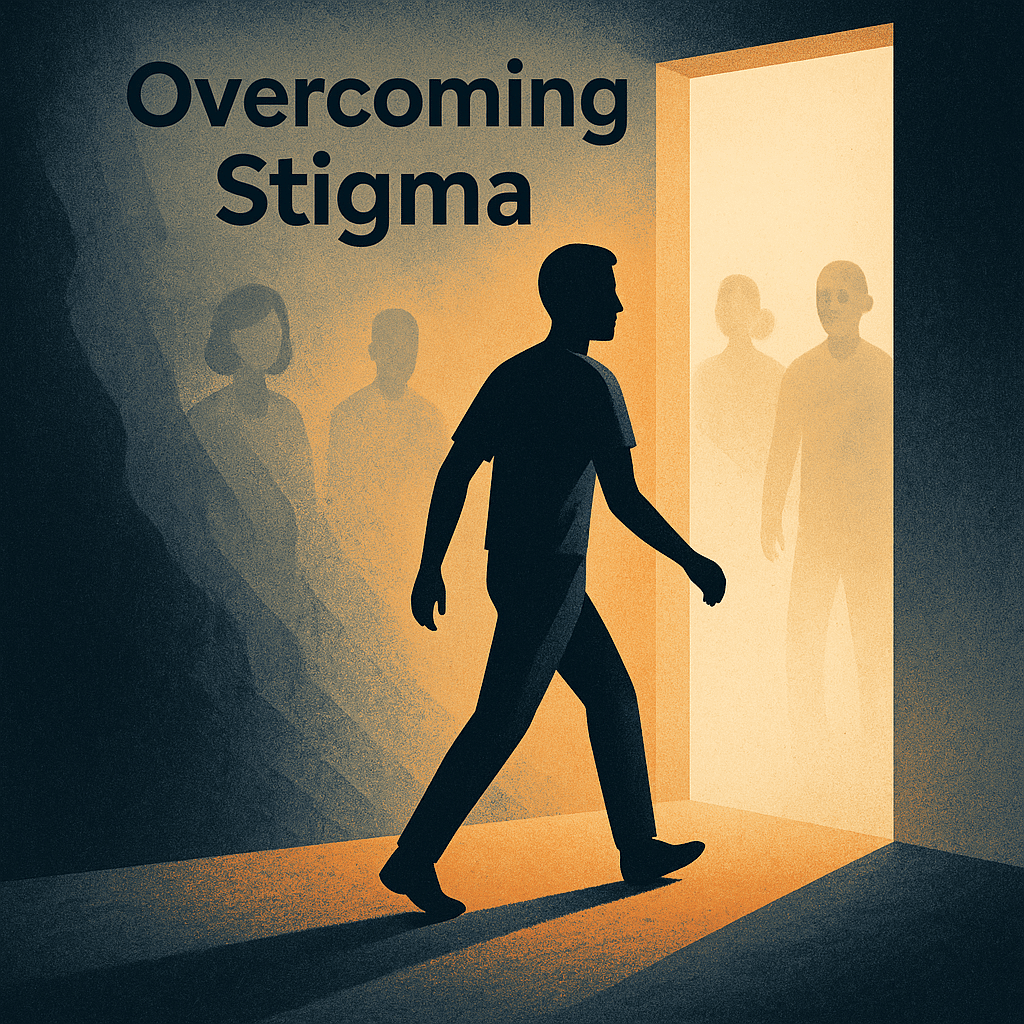
Addiction and mental health challenges are already difficult battles. Yet, many individuals face an additional obstacle: social stigma. Judgment from society, family, or peers can make people feel isolated, ashamed, and reluctant to seek help. At The Social Challenge, we know that stigma is more than just an attitude—it has real consequences on recovery outcomes. By understanding its impact and embracing compassionate, individualized care, we can break the cycle of shame and create an environment where healing is possible.
Understanding the Impact of Stigma
How Judgment Blocks Recovery
Stigma sends a message that individuals struggling with addiction or mental health issues are flawed, weak, or responsible for their condition. This perception can lead to self-blame, secrecy, and avoidance of treatment. People may delay seeking help for months or years, allowing problems to escalate. In some cases, stigma contributes to depression, anxiety, or relapse, making recovery even more challenging.
Societal judgment not only affects the individual but also their families and communities. It creates fear and misunderstanding, discouraging open conversation and preventing supportive networks from forming.
The Psychological Toll
When individuals internalize stigma, it can significantly affect their self-esteem and motivation. Feeling “less than” or “unworthy” can lead to feelings of hopelessness. Over time, this emotional weight hinders progress in therapy, participation in support groups, and adherence to treatment plans. Recognizing stigma as a barrier is essential to creating a more effective recovery journey.
How Compassion and Community Drive Healing
Shifting the Narrative
One of the most powerful ways to combat stigma is by changing the way we talk about addiction and mental health. Using person-first language—such as “a person in recovery” instead of “an addict”—reminds us that people are more than their struggles. Highlighting stories of resilience and recovery also helps challenge negative stereotypes.
The Role of Community Support
Recovery thrives in supportive environments. Family involvement, peer support, and compassionate communities reinforce the idea that individuals are not alone. At The Social Challenge, our programs integrate group therapy, mentorship, and community engagement to create safe spaces where clients feel seen and valued.
Holistic and Faith-Based Approaches to Overcoming Stigma
Treating the Whole Person
Addressing addiction and mental health requires more than just clinical intervention. Holistic approaches at The Social Challenge combine therapy, wellness practices, mindfulness, and life skills training to empower individuals. By caring for the mind, body, and spirit, clients develop resilience and confidence to face challenges without shame.
Faith-Based Support
Spirituality can provide strength, purpose, and perspective in recovery. Faith-based programs offer a supportive framework that fosters hope and inner growth. Integrating faith into treatment helps clients build a sense of meaning beyond their struggles, encouraging long-term recovery and self-acceptance.
Practical Steps to Reduce Stigma
Communities and individuals can take meaningful action to help break stigma:
- Listen without judgment. Provide space for honest conversation and support.
- Educate yourself and others. Understanding addiction and mental health reduces fear and misconceptions.
- Use respectful language. Words shape perception and influence recovery environments.
- Promote access to care. Encourage treatment options and support programs for those in need.
Even small efforts can make a significant difference in creating inclusive, stigma-free spaces for recovery.
Moving Forward with Hope
Stigma is a hidden cost that can derail recovery and prolong suffering. By replacing judgment with empathy, understanding, and support, we can help individuals overcome addiction and mental health challenges. At The Social Challenge, our faith-based, holistic, and individualized programs provide the tools, guidance, and community clients need to reclaim their lives.
If you or someone you love is struggling, reach out today. Together, we can break the chains of stigma, foster hope, and create a path to lasting recovery.