Changing Conversation, Changing Lives: Why Our Approach to Addiction Matters

Addiction is often misunderstood, shrouded in judgment, and framed as a personal failing rather than a complex health condition. This perspective perpetuates stigma and can prevent individuals from seeking the help they need. At The Social Challenge, we recognize that the way we talk about and approach addiction profoundly impacts recovery outcomes. By fostering compassionate, individualized care that integrates holistic and faith-based approaches, we not only treat the condition but also empower people to reclaim their lives with dignity, hope, and purpose.

Why Language and Perspective Matter

Moving Beyond Stigma

The words we use and the assumptions we make shape recovery. Terms like “addict” or “substance abuser” reduce people to their struggle, overlooking their strengths and humanity. Stigmatizing language can create shame, isolation, and fear—barriers that often prevent someone from seeking treatment.

Shifting the conversation to one that emphasizes person-first language—such as “a person in recovery”—reminds individuals that addiction is just one aspect of their life, not their identity. It also helps families, communities, and healthcare providers foster understanding, empathy, and support.

Understanding Addiction as a Health Condition

Addiction is a chronic medical condition influenced by genetics, brain chemistry, environment, and life experiences. Recognizing this reality changes the way we treat it. At The Social Challenge, our team approaches each person holistically, addressing the mental, physical, and spiritual dimensions of recovery. This perspective reduces shame, builds resilience, and encourages long-term success.

Holistic and Faith-Based Recovery

Healing the Whole Person

Recovery is more than stopping substance use—it is rebuilding a life. Holistic programs incorporate therapy, mindfulness, nutrition, life skills, and wellness practices to help individuals restore balance and strengthen coping mechanisms. By focusing on the whole person, we support lasting recovery that encompasses mental, emotional, and physical health.

Faith as a Source of Strength

For many, spirituality provides a foundation of hope, purpose, and guidance. Faith-based programs at The Social Challenge integrate spiritual exploration and reflection into the recovery process. This approach helps individuals reconnect with their values, develop inner strength, and find meaning beyond their struggles.

Personalized Care for Lasting Results

Individualized Treatment Plans

Every recovery journey is unique. Our programs—offered through both inpatient and outpatient care—are tailored to meet each person’s specific needs, challenges, and goals. Personalized care ensures that treatment is effective, relevant, and empowering.

Building a Supportive Community

Recovery thrives in connection. Peer support groups, mentorship, and community involvement create a network of encouragement where individuals feel seen, heard, and supported. This sense of belonging reinforces motivation, reduces isolation, and strengthens long-term recovery outcomes.

Changing Lives Through Conversation

Education and Advocacy

Changing the narrative around addiction starts with education and awareness. By openly discussing addiction as a treatable health condition, we reduce fear, challenge misconceptions, and normalize seeking help. Communities that embrace these conversations foster environments where recovery is possible, supported, and celebrated.

Encouraging Compassionate Action

Everyone can contribute to shifting the conversation. Listening without judgment, offering support, and advocating for accessible treatment programs all help break down barriers. Small acts of empathy and understanding have the power to change individual lives and entire communities.

Take the First Step Toward Recovery

At The Social Challenge, we know that compassionate care, holistic practices, and faith-based guidance can transform lives. By changing the conversation about addiction, we open doors for hope, healing, and long-term recovery.

If you or a loved one is struggling with addiction, reach out today. Together, we can break stigma, rebuild confidence, and create a path toward lasting wellness.

The Hidden Cost of Judgment: Why Stigma Stops Recovery and How We Can Stop It

Addiction and mental health challenges are already difficult battles. Yet, many individuals face an additional obstacle: social stigma. Judgment from society, family, or peers can make people feel isolated, ashamed, and reluctant to seek help. At The Social Challenge, we know that stigma is more than just an attitude—it has real consequences on recovery outcomes. By understanding its impact and embracing compassionate, individualized care, we can break the cycle of shame and create an environment where healing is possible.

Understanding the Impact of Stigma

How Judgment Blocks Recovery

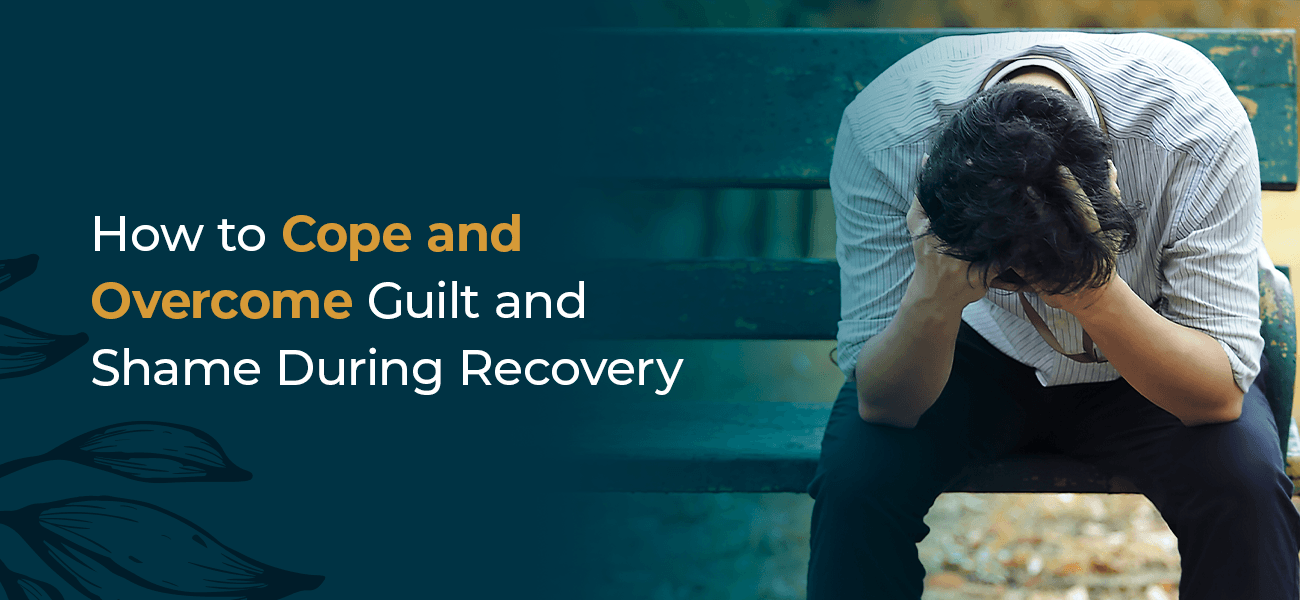
Stigma sends a message that individuals struggling with addiction or mental health issues are flawed, weak, or responsible for their condition. This perception can lead to self-blame, secrecy, and avoidance of treatment. People may delay seeking help for months or years, allowing problems to escalate. In some cases, stigma contributes to depression, anxiety, or relapse, making recovery even more challenging.

Societal judgment not only affects the individual but also their families and communities. It creates fear and misunderstanding, discouraging open conversation and preventing supportive networks from forming.

The Psychological Toll

When individuals internalize stigma, it can significantly affect their self-esteem and motivation. Feeling “less than” or “unworthy” can lead to feelings of hopelessness. Over time, this emotional weight hinders progress in therapy, participation in support groups, and adherence to treatment plans. Recognizing stigma as a barrier is essential to creating a more effective recovery journey.

How Compassion and Community Drive Healing

Shifting the Narrative

One of the most powerful ways to combat stigma is by changing the way we talk about addiction and mental health. Using person-first language—such as “a person in recovery” instead of “an addict”—reminds us that people are more than their struggles. Highlighting stories of resilience and recovery also helps challenge negative stereotypes.

The Role of Community Support

Recovery thrives in supportive environments. Family involvement, peer support, and compassionate communities reinforce the idea that individuals are not alone. At The Social Challenge, our programs integrate group therapy, mentorship, and community engagement to create safe spaces where clients feel seen and valued.

Holistic and Faith-Based Approaches to Overcoming Stigma

Treating the Whole Person

Addressing addiction and mental health requires more than just clinical intervention. Holistic approaches at The Social Challenge combine therapy, wellness practices, mindfulness, and life skills training to empower individuals. By caring for the mind, body, and spirit, clients develop resilience and confidence to face challenges without shame.

Faith-Based Support

Spirituality can provide strength, purpose, and perspective in recovery. Faith-based programs offer a supportive framework that fosters hope and inner growth. Integrating faith into treatment helps clients build a sense of meaning beyond their struggles, encouraging long-term recovery and self-acceptance.

Practical Steps to Reduce Stigma

Communities and individuals can take meaningful action to help break stigma:

  • Listen without judgment. Provide space for honest conversation and support.
  • Educate yourself and others. Understanding addiction and mental health reduces fear and misconceptions.
  • Use respectful language. Words shape perception and influence recovery environments.
  • Promote access to care. Encourage treatment options and support programs for those in need.

Even small efforts can make a significant difference in creating inclusive, stigma-free spaces for recovery.

Moving Forward with Hope

Stigma is a hidden cost that can derail recovery and prolong suffering. By replacing judgment with empathy, understanding, and support, we can help individuals overcome addiction and mental health challenges. At The Social Challenge, our faith-based, holistic, and individualized programs provide the tools, guidance, and community clients need to reclaim their lives.

If you or someone you love is struggling, reach out today. Together, we can break the chains of stigma, foster hope, and create a path to lasting recovery.

Hope Over Hurdles: How Faith-Based and Holistic Recovery Redefines Stigma

Recovery from addiction and mental health challenges is often misunderstood. Society frequently labels individuals by their struggles instead of seeing the full person. This stigma can create isolation, shame, and barriers to seeking help. At The Social Challenge, we believe recovery should be defined by hope, resilience, and comprehensive support. By integrating faith-based guidance and holistic care, we not only treat symptoms but also empower individuals to reclaim their lives, break free from stigma, and embrace a brighter future.

Understanding the Impact of Stigma

How Stigma Shapes Recovery

Stigma surrounding addiction and mental illness often leads to fear, judgment, and social exclusion. Individuals may feel embarrassed or ashamed to seek help, believing their challenges define them. This silence can delay treatment, exacerbate symptoms, and even increase the risk of relapse.

Breaking stigma begins with shifting perceptions. Recovery is not a moral failing or a sign of weakness—it is a courageous journey that requires support, understanding, and patience.

The Importance of Seeing the Whole Person

At The Social Challenge, we emphasize seeing the individual beyond their diagnosis. Every person has unique experiences, strengths, and potential. Recovery is most successful when treatment recognizes these qualities and supports growth on multiple levels—mental, physical, and spiritual.

The Power of Faith-Based Recovery

Spiritual Guidance as a Source of Strength

Faith can play a critical role in healing. Many individuals find comfort, purpose, and resilience through spiritual practices. Faith-based recovery programs at The Social Challenge encourage individuals to explore spirituality as part of their treatment. By connecting with their faith, clients gain hope, direction, and motivation to pursue lasting change.

Building Community Through Shared Beliefs

Faith-based programs often foster strong communities where clients feel accepted, supported, and understood. Peer support groups, mentorship, and spiritual reflection create an environment where individuals can openly share struggles and triumphs without fear of judgment. This sense of belonging reinforces recovery and challenges societal stigma.

Holistic Approaches That Transform Lives

Treating Mind, Body, and Spirit

Holistic recovery addresses every aspect of a person’s well-being. The Social Challenge integrates evidence-based therapies with practices like mindfulness, nutrition, exercise, and life skills development. By caring for the whole person, holistic programs help clients develop resilience, reduce stress, and strengthen emotional regulation.

Personalized Care Plans

No two recovery journeys are alike. Our individualized treatment plans consider each person’s mental health history, physical health, and spiritual needs. Whether in inpatient care for structured support or outpatient programs for flexible, ongoing therapy, holistic and faith-based approaches provide a framework for sustainable healing.

Redefining Stigma Through Recovery

Shifting the Conversation

When communities witness recovery through a lens of hope and holistic support, stigma begins to diminish. Education, empathy, and visible success stories show that addiction and mental illness are treatable conditions—not personal failings.

Encouraging Action and Support

Families, workplaces, and communities can support recovery by using person-first language, promoting awareness, and creating safe spaces for dialogue. Every act of understanding helps break down barriers, allowing individuals to seek treatment and embrace hope.

Take the First Step Toward Healing

Recovery is a journey that requires courage, guidance, and compassion. At The Social Challenge, faith-based and holistic programs empower individuals to overcome addiction, manage mental health challenges, and rediscover purpose.

If you or a loved one is struggling, reach out today. Together, we can replace stigma with hope, isolation with inclusion, and fear with lasting recovery. Healing is possible, and your journey begins with the first step.

Beyond the Label: Reinventing Recovery Narratives for Mental Health and Addiction

For decades, addiction and mental health challenges have been defined by stigma, stereotypes, and oversimplified labels. People struggling with depression, anxiety, or substance use disorders are often reduced to a single word—a diagnosis that fails to capture their humanity, resilience, and potential. At The Social Challenge, we believe it is time to move beyond the label. By reshaping recovery narratives, we can foster understanding, empower individuals, and create a society where healing is seen as a journey rather than a failure.

The Problem with Labels

How Labels Limit Recovery

When society views someone only through the lens of their diagnosis, it reinforces stigma and isolation. Terms like “addict” or “mentally ill” can create shame, making it harder for individuals to seek help or embrace treatment. This narrow perspective often overlooks the strengths, goals, and unique experiences of each person, leaving them defined by struggle instead of potential.

Labels also influence self-perception. A person who internalizes these definitions may believe their condition defines them entirely. This mindset can slow recovery, reduce confidence, and contribute to cycles of relapse or worsening mental health.

Moving Toward Person-First Language

Person-first language is a key step in transforming recovery narratives. Instead of defining someone by their condition, we recognize the individual first: “a person in recovery” or “a person managing depression.” This shift emphasizes dignity, humanity, and hope, framing recovery as a journey instead of a permanent state.

Redefining Recovery Through Compassionate Care

Individualized Treatment Plans

At The Social Challenge, we understand that each recovery journey is unique. Our programs combine inpatient and outpatient care, holistic therapies, and faith-based support to meet clients where they are. By creating personalized treatment plans, we address the specific needs, strengths, and goals of each individual, ensuring that care is both effective and empowering.

Holistic and Faith-Based Approaches

Recovery is not only about addressing symptoms; it is about healing the whole person. Holistic approaches integrate physical wellness, nutrition, mindfulness, and life skills into treatment. For those seeking spiritual guidance, faith-based programs provide hope, purpose, and a supportive framework for long-term growth. By embracing both clinical and spiritual care, we help clients build resilience and reclaim their sense of self.

Community and Peer Support

Recovery thrives in connection. Group therapy, peer mentorship, and community support networks create safe spaces where individuals can share experiences, learn coping strategies, and feel understood. These supportive environments reinforce the message that people are more than their diagnoses—they are part of a community that values their progress and potential.

Changing the Narrative in Society

Educating and Advocating

Beyond treatment, transforming recovery narratives requires education and advocacy. Families, workplaces, and communities must challenge stereotypes, embrace person-first language, and promote awareness of the complexities of addiction and mental health. By doing so, we create environments that encourage treatment, reduce isolation, and celebrate recovery milestones.

Highlighting Stories of Strength

Sharing stories of resilience and recovery can change perceptions. Real-life experiences demonstrate that addiction and mental illness are not endpoints—they are chapters in a larger journey of growth. By amplifying these voices, society begins to recognize recovery as achievable, inspiring hope and fostering inclusion.

Taking the First Step Beyond the Label

Recovery is a journey defined not by a diagnosis, but by courage, perseverance, and support. At The Social Challenge, we are committed to helping individuals move beyond labels through compassionate, holistic, and faith-based care.

If you or a loved one is struggling with addiction or mental health challenges, reach out today. Together, we can transform recovery narratives, break stigma, and empower every person to reclaim their life, dignity, and hope.

From Isolation to Inclusion: Transforming Perceptions of Substance Use and Mental Illness

In today’s world, countless individuals silently battle the pain of addiction and mental illness. While these struggles are deeply human, society often treats them as sources of shame. Misunderstanding and judgment can push people into isolation, cutting them off from the compassion and support they desperately need. At The Social Challenge, we believe that healing begins with inclusion. By transforming how we view addiction and mental health, we can replace stigma with understanding and help individuals rediscover hope, belonging, and purpose.

Understanding the Power of Perception

How Stigma Fuels Isolation

When people are labeled by their struggles instead of seen for their humanity, it becomes harder for them to reach out for help. Stigma tells them they are “different” or “broken,” which only deepens the cycle of silence and self-doubt. Those living with substance use disorders or mental illness may withdraw from loved ones or avoid seeking treatment for fear of being judged.

This isolation can be devastating. The absence of support often worsens symptoms and delays recovery. True healing requires connection, acceptance, and an environment where individuals feel safe to share their stories.

Seeing Beyond the Struggle

Addiction and mental illness are not signs of weakness or failure. They are complex conditions influenced by biology, environment, trauma, and experience. Every person’s story is unique, and recovery looks different for everyone. At The Social Challenge, we focus on seeing beyond the diagnosis. We see the person—their strengths, values, and potential—and tailor treatment to their individual needs.

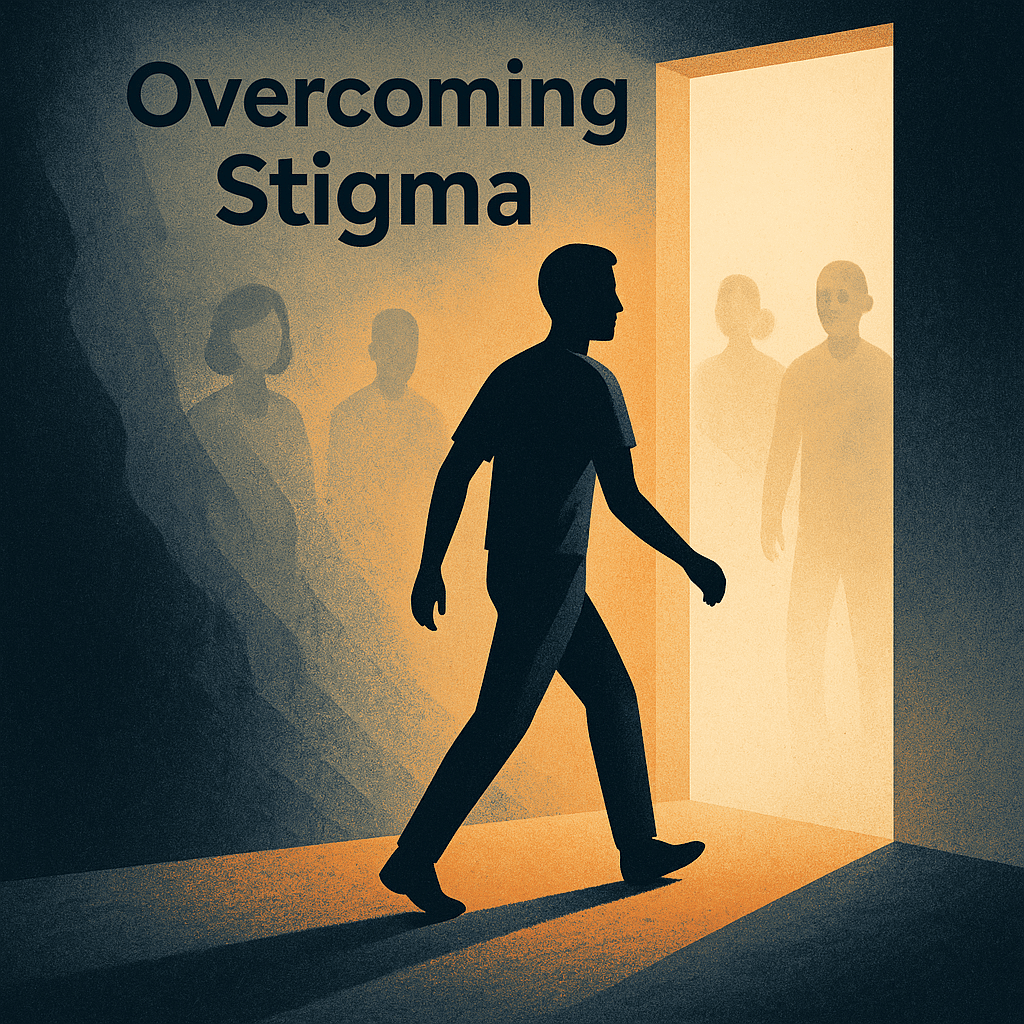
By shifting the conversation from blame to understanding, we open the door for inclusion. When individuals feel seen and valued, they can begin to heal with confidence and dignity.

Building a Culture of Inclusion in Recovery

Why Community Matters

Recovery thrives in connection. No one should face addiction or mental illness alone. Communities that embrace openness and compassion can change lives. When family members, friends, and local organizations come together to support those in recovery, they create an environment where hope can grow.

Inclusion means listening without judgment, using kind and respectful language, and offering practical support. Whether it is attending therapy sessions, volunteering in recovery programs, or simply checking in with a loved one, small acts of compassion make a lasting impact.

The Social Challenge’s Approach to Inclusive Healing

At The Social Challenge, inclusion is at the heart of everything we do. Our inpatient and outpatient programs are designed to meet individuals where they are in their journey. Through faith-based guidance, holistic therapies, and personalized treatment plans, we help clients rebuild their lives physically, emotionally, and spiritually.

We believe that healing is not just about ending addiction but about restoring a sense of belonging. Clients are encouraged to connect with peers through group therapy and community-based support systems. Together, they learn that recovery is not a solitary road—it is a shared experience grounded in empathy and respect.

Practical Ways to Promote Inclusion and Understanding

Creating a more compassionate world begins with awareness and intentional action. Here are a few ways anyone can help transform perceptions of addiction and mental illness:

  • Educate yourself and others. Learn the facts about substance use and mental health to challenge common myths.
  • Speak with care. Use language that honors the person, not their condition. Say “a person in recovery” instead of “an addict.”
  • Offer support, not solutions. Sometimes the most powerful help is simply listening and showing up.
  • Advocate for access. Encourage policies and programs that make treatment affordable and stigma-free.

When we take these steps, we become part of the healing process. We help build a culture where inclusion, not isolation, defines recovery.

A Call to Choose Compassion

Every person deserves the chance to heal, to feel accepted, and to belong. Addiction and mental illness do not define who someone is—they are challenges that can be overcome with the right care and community support. At The Social Challenge, we are committed to helping individuals reclaim their strength and rediscover purpose through holistic, faith-based, and personalized treatment.

If you or someone you love is struggling with substance use or mental health concerns, do not face it alone. Reach out to The Social Challenge today to begin the journey from isolation to inclusion, and take the first step toward a future filled with hope, healing, and connection.

Breaking the Silence: How Community Support Dismantles Addiction and Mental Health Stigma

For far too long, conversations about addiction and mental illness have been shrouded in silence. Misunderstanding, fear, and stigma have created barriers that keep individuals from seeking the help they deserve. But healing begins when we speak openly, when communities come together to replace judgment with compassion. At The Social Challenge, we believe that true recovery happens not only through professional treatment but also through the power of community support and acceptance.

Understanding the Weight of Stigma

The Silent Burden of Judgment

Stigma is one of the greatest obstacles to recovery. When society labels those struggling with addiction or mental health issues as “weak” or “broken,” it deepens isolation and shame. Many individuals hide their pain rather than reach out for help, fearing rejection from loved ones or discrimination in their communities.

This silence does more than harm—it delays healing. Stigma can keep people from entering treatment, adhering to recovery plans, or even acknowledging their struggles. Recognizing this truth is the first step toward building a culture of understanding.

Changing How We See Addiction and Mental Health

Addiction and mental illness are not moral failings. They are complex health conditions that affect millions worldwide. Each person’s journey is unique, shaped by genetics, environment, and life experience. When we begin to view these conditions through the lens of compassion instead of criticism, we open doors for real change.

At The Social Challenge, we emphasize that healing requires acceptance. By seeing the person beyond the diagnosis, we nurture dignity, hope, and the belief that recovery is possible for everyone.

The Power of Community in Recovery

Why Connection Heals

Isolation fuels suffering. Recovery, on the other hand, thrives in connection. When individuals are surrounded by understanding, they are more likely to stay engaged in their treatment and maintain long-term wellness. Communities that foster open dialogue about addiction and mental health help reduce shame, build trust, and create safe spaces for healing.

Support groups, faith communities, and family involvement all play an essential role. By standing together, we replace fear with empathy and silence with encouragement.

How The Social Challenge Builds Connection

Our mission at The Social Challenge is to help individuals heal holistically—mind, body, and spirit. Through our inpatient and outpatient programs, clients receive individualized treatment tailored to their needs. We combine evidence-based therapies with faith-based guidance and holistic healing practices to address every aspect of recovery.

Community support is woven into every stage of our approach. Clients find belonging in group therapy sessions, peer support networks, and mentorship opportunities that remind them they are not alone. Healing becomes a shared journey, not a solitary struggle.

Moving From Stigma to Support

Simple Steps Toward a Compassionate Culture

Creating a more compassionate community begins with small, intentional actions:

  • Listen without judgment. When someone opens up about their mental health, offer understanding rather than advice or criticism.
  • Use respectful language. Words matter. Replace labels like “addict” or “crazy” with person-first language, such as “a person in recovery.”
  • Educate yourself. Understanding the realities of addiction and mental illness helps dispel myths and builds empathy.
  • Support local recovery efforts. Volunteer, attend awareness events, or donate to organizations that provide care and resources.

When we all take responsibility for breaking stigma, we build communities where healing is not just possible—it’s expected.

A Call to Speak Up and Reach Out

Silence allows stigma to thrive. But when we choose compassion over judgment, understanding over assumption, and connection over isolation, we help transform lives. At The Social Challenge, we are here to walk alongside individuals and families every step of the way, offering personalized, holistic care rooted in faith, empathy, and hope.

If you or someone you love is struggling with addiction or mental health challenges, reach out today. Together, we can break the silence, end the stigma, and build a future where every person is seen, heard, and supported on their journey toward recovery.

Compassion Over Judgment: Building a Better Future for Mental Wellness

Mental health challenges and addiction are part of the human experience, yet far too often they are met with misunderstanding and stigma. Instead of receiving compassion, many people struggling with depression, anxiety, or substance use disorders face judgment that only deepens their pain. At The Social Challenge, we believe that compassion, not criticism, must guide how we respond to those in need. Building a future rooted in empathy and understanding is the key to true healing and lasting mental wellness.

Understanding the Power of Compassion

Why Judgment Hurts Recovery

When someone is struggling with mental health or addiction, judgment can push them further into isolation. Harsh words, shame, or social rejection can make individuals believe they are broken or unworthy of help. This mindset creates powerful barriers that prevent people from seeking treatment or opening up about their struggles.

In contrast, compassion acknowledges that every person deserves dignity and care. It replaces blame with understanding and encourages healing through human connection. When compassion leads the conversation, people are more likely to reach out, trust the process, and commit to recovery.

The Healing Science of Empathy

Research continues to show that empathy and emotional support can directly influence recovery outcomes. Simple acts of kindness, such as listening without judgment or offering encouragement, can ease feelings of loneliness and shame. Compassion builds safety and trust, allowing individuals to explore their emotions honestly and begin to heal from within.

Building a Compassionate Approach to Mental Wellness

A Holistic View of Healing

At The Social Challenge, we understand that healing must address the whole person. Our holistic approach integrates emotional, physical, and spiritual care, ensuring that every individual receives the support they need on all levels. From individual therapy and group counseling to faith-based practices and wellness programs, our goal is to nurture long-term transformation rather than short-term relief.

This holistic philosophy reflects a deep respect for human experience. Every person’s story is unique, and our treatment plans are individualized to match each client’s needs, strengths, and values. Compassion is not just an idea we talk about — it is the foundation of how we provide care.

Faith as a Guiding Light

Faith can offer profound comfort and perspective during difficult times. For many, reconnecting with spiritual values helps them find meaning in their journey and discover the strength to keep going. Our faith-based programs encourage clients to explore spiritual healing as part of recovery, integrating personal growth with a sense of purpose and renewal.

Creating a Culture of Understanding

Shifting the Conversation

To truly build a better future for mental wellness, we must reshape how society views addiction and mental illness. Instead of labeling or isolating those who are struggling, we can choose to understand, support, and uplift them. Open conversations about mental health can dismantle stigma and foster a culture where seeking help is seen as courageous, not shameful.

Community Matters

Recovery thrives in environments where people feel seen and supported. That is why The Social Challenge emphasizes community connection as a vital part of healing. Through inpatient and outpatient programs, we provide a safe, compassionate space where individuals can rebuild confidence, restore relationships, and reclaim their lives.

Compassion as the Path Forward

The future of mental health care depends on our ability to replace judgment with empathy. Every time we choose compassion, we create ripples of change that reach far beyond one person’s life. By standing together, we can build communities that value understanding over stigma and hope over fear.

If you or someone you love is struggling with addiction or mental health challenges, know that healing is possible — and it begins with compassion. At The Social Challenge, our faith-based and holistic programs are designed to meet you where you are and guide you toward a future of wellness and peace.

Reach out today to take the first step toward recovery. Together, we can create a world where compassion leads the way, and every person has the opportunity to heal, grow, and thrive.

Rethinking Normal: Creating a Culture of Mental Health Acceptance

In today’s fast-paced world, “normal” has become a word that carries unrealistic expectations. Many people feel pressure to appear happy, successful, and unshaken, even when they are silently struggling with anxiety, depression, or addiction. The truth is that mental health challenges are far more common than most realize, yet stigma often keeps people from seeking the help they deserve. At The Social Challenge, we believe it is time to rethink what “normal” means and create a culture where acceptance and understanding are the foundations of true healing.

Why We Need to Redefine “Normal”

The Problem with Perfection

Society often celebrates strength and productivity while viewing vulnerability as weakness. This mindset isolates those who are struggling and discourages open conversations about mental health. But healing begins when we accept that everyone faces emotional challenges at some point. Redefining “normal” means embracing the full range of human experience — including struggle, growth, and recovery.

The Weight of Stigma

Stigma remains one of the biggest barriers to mental health treatment. People living with depression, trauma, or substance use disorders may feel judged or misunderstood, leading them to hide their pain. This silence can worsen symptoms and delay recovery. When we challenge stigma and promote empathy, we help individuals realize they are not alone and that seeking help is a sign of strength, not weakness.

Building a Culture of Acceptance

Conversations that Heal

Change begins with conversation. By speaking openly about mental health, we normalize it as an essential part of overall well-being. Families, workplaces, and communities must make room for honest dialogue where individuals can express what they feel without fear of rejection. Compassionate conversations have the power to replace misunderstanding with connection and hope.

Education and Awareness

Education is key to transforming public attitudes. Learning about the signs, symptoms, and causes of mental health conditions helps dispel myths and encourages early intervention. When people understand that addiction and mental illness are treatable health issues, not moral failings, they are more likely to offer support rather than judgment.

The Role of Holistic and Faith-Based Healing

At The Social Challenge, we approach recovery from a holistic perspective. We believe that true healing addresses the whole person — mind, body, and spirit. Our programs integrate evidence-based therapies, personalized counseling, and faith-based guidance to promote long-term recovery and emotional well-being.

Personalized Care for Every Journey

Every individual’s story is different. That’s why our individualized treatment plans are designed to meet each person’s unique needs. Whether someone benefits from inpatient care, where structure and stability support recovery, or outpatient treatment, which allows for flexibility while continuing therapy, our goal is to provide compassionate and comprehensive care at every stage.

Faith as a Source of Strength

For many, faith provides meaning and resilience during difficult times. Our faith-based approach encourages spiritual reflection, helping individuals reconnect with purpose and rediscover hope. When faith and clinical treatment work together, they create a powerful foundation for healing that goes beyond symptoms and reaches the soul.

A Vision for the Future

Rethinking normal means creating communities that value empathy over judgment and understanding over silence. It means teaching future generations that mental health is a part of life that deserves care, conversation, and compassion. By fostering a culture of acceptance, we not only support those in recovery but also strengthen the emotional well-being of society as a whole.

Take the First Step Toward Healing

You do not have to face your challenges alone. At The Social Challenge, we are committed to helping individuals overcome addiction and mental health struggles through personalized, holistic, and faith-based care. Our compassionate professionals are here to walk with you every step of the way.

If you or someone you love is ready to begin the journey toward healing, reach out today. Together, we can redefine what it means to be “normal” — and build a future grounded in acceptance, hope, and lasting recovery.

Mental Health Matters: Ending the Stigma Through Understanding and Kindness

For far too long, conversations about mental health and addiction have been clouded by stigma, silence, and misunderstanding. People living with depression, anxiety, trauma, or substance use disorders often face judgment instead of support. This stigma not only worsens their struggles but also prevents many from seeking the help they need. At The Social Challenge, we believe that true healing begins with understanding and kindness. By ending the stigma, we can create a world where recovery is possible for everyone.

Why Stigma Still Exists

Misconceptions About Mental Health

Many people still see mental illness and addiction as personal weaknesses rather than medical conditions that require care and compassion. This misconception leads to blame and shame, making it harder for individuals to ask for help. In reality, mental health challenges and addiction are complex, often rooted in biological, psychological, and environmental factors.

The Impact of Silence

Silence also fuels stigma. When communities avoid discussing mental health openly, individuals may feel isolated and believe they are alone in their struggles. Breaking that silence is the first step toward fostering compassion and building a supportive culture.

The Power of Understanding

Listening Without Judgment

Understanding begins with listening. Instead of focusing on labels or diagnoses, compassionate care emphasizes the person behind the struggle. Listening without judgment builds trust and reminds individuals that their lives hold value and purpose.

Education as a Tool for Change

Awareness and education are essential in shifting public attitudes. When families, communities, and organizations learn about the realities of mental health and addiction, they become better equipped to offer meaningful support. Education helps replace fear with empathy and creates an environment where healing can take place.

A Holistic Approach to Healing

Personalized Treatment for Every Individual

At The Social Challenge, we recognize that no two recovery journeys are alike. Our individualized treatment plans combine evidence-based therapies with holistic practices that care for the mind, body, and spirit. From counseling and medical support to mindfulness, nutrition, and life skills, we ensure that each person’s needs are met with dignity and compassion.

Faith-Based Support for Deeper Healing

For many, faith provides strength and direction throughout recovery. Our faith-based programs integrate spiritual guidance with clinical treatment, offering encouragement and a sense of purpose that supports long-term wellness. This balance of science and spirituality helps clients reclaim both their health and their hope.

Inpatient and Outpatient Options

Recovery is not one-size-fits-all. Some individuals benefit from the structure and stability of inpatient care, while others need the flexibility of outpatient programs to balance treatment with daily life. Both options are rooted in compassion and designed to empower individuals to make lasting changes.

Building a Culture of Kindness

Ending stigma requires more than professional treatment. Families, workplaces, and communities must commit to fostering environments where mental health is treated with the same seriousness as physical health. Offering encouragement instead of judgment, practicing patience, and promoting open conversations can make a profound difference in someone’s recovery journey.

Take the First Step Toward Change

Mental health matters. Addiction recovery matters. And above all, people matter. By ending the stigma through understanding and kindness, we can replace isolation with connection and shame with hope. At The Social Challenge, we are dedicated to walking alongside each individual with compassion, personalized care, and holistic healing.

If you or someone you love is struggling, do not wait in silence. Reach out today to learn more about our programs and take the first step toward a healthier, brighter future. Healing is possible, and it begins with kindness.

Seeing the Person, Not the Diagnosis: The Power of Compassionate Care

When it comes to mental health and addiction, it is easy for society to focus on labels rather than the individual. Words like “depression,” “anxiety,” or “substance use disorder” are clinical identifiers, but they do not define the whole person. At The Social Challenge, we understand that true healing begins when care providers see the person, not just the diagnosis. Compassionate, individualized care has the power to transform lives and foster long-term recovery.

Why Compassion Matters in Recovery

Breaking Down Stigma and Shame

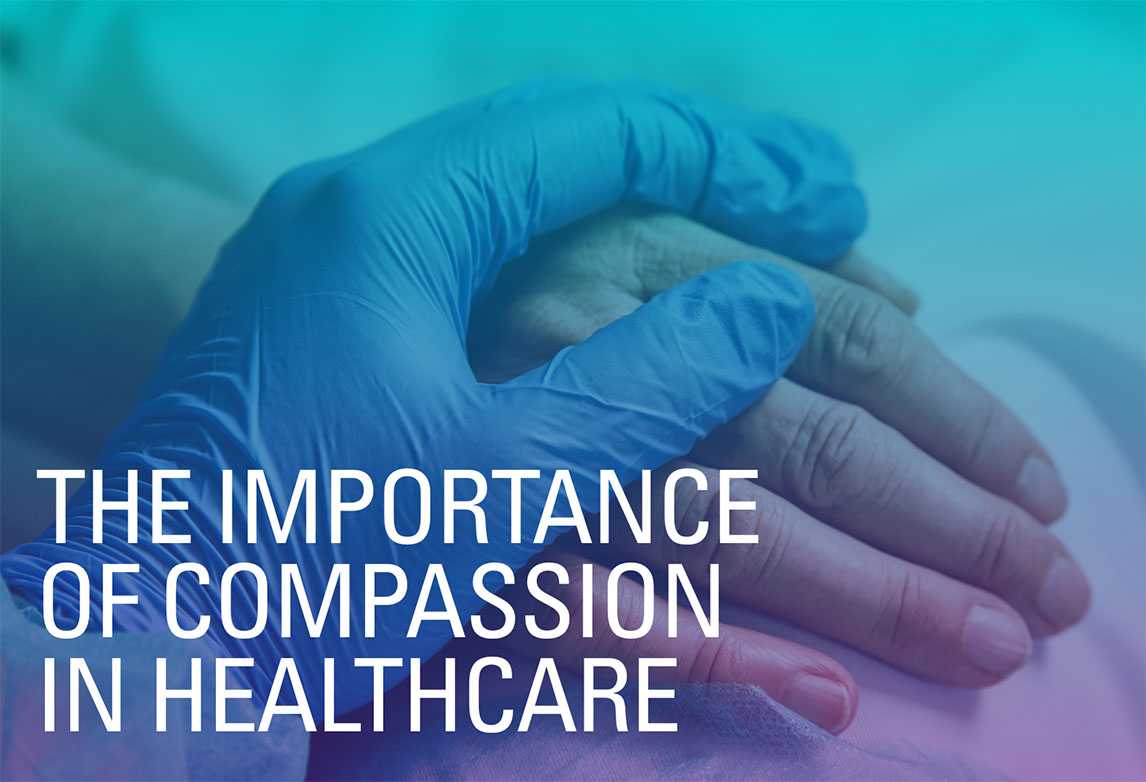
One of the biggest barriers to recovery is stigma. People often feel judged or misunderstood because of their mental health or addiction diagnosis. This can prevent them from seeking help or sharing their struggles with loved ones. Compassion addresses this barrier by creating a safe and nonjudgmental space where individuals feel valued and understood.

When a client knows they are seen as a person first, it reinforces their self-worth and motivates them to engage in the recovery process. Compassion communicates that their condition is not a personal failure, but a challenge that can be addressed with the right support and treatment.

Building Trust Through Understanding

Effective treatment begins with trust. When individuals feel heard and respected, they are more likely to open up about their experiences, challenges, and goals. This transparency allows care providers to design treatment plans that are truly tailored to the individual. At The Social Challenge, we prioritize listening, empathy, and collaboration, ensuring that each client’s voice guides their journey to recovery.

The Role of Individualized and Holistic Care

Personalized Treatment Plans

Every recovery journey is unique. Compassionate care recognizes this by creating individualized treatment plans that address the specific needs of each client. Our programs combine evidence-based therapies with holistic practices, such as mindfulness, nutrition, and family support. This approach addresses not only the symptoms of mental illness and addiction but also the underlying causes, empowering clients to achieve lasting change.

Integrating Faith and Holistic Healing

For many individuals, spiritual support is a vital part of recovery. Faith-based programs at The Social Challenge provide guidance, encouragement, and a sense of purpose that strengthens the healing process. By honoring the spiritual needs of each client alongside clinical care, we ensure that treatment addresses the whole person—mind, body, and spirit.

Inpatient and Outpatient Support

Recovery can take many forms, and we provide options to match each individual’s needs. Inpatient programs offer intensive care for those requiring structured support, while outpatient programs provide flexibility for clients balancing treatment with daily responsibilities. Both approaches are grounded in compassion, creating environments where clients feel seen, supported, and empowered to heal.

Creating a Culture of Compassion Beyond Treatment

Compassionate care extends beyond the walls of treatment centers. Families, communities, and workplaces can play a vital role by responding to mental health and addiction with empathy rather than judgment. By encouraging open conversations, offering support, and advocating for resources, society can foster environments where recovery is possible for everyone.

Take the Next Step Toward Healing

Seeing the person, not the diagnosis, is more than a philosophy—it is a transformative approach to mental health and addiction recovery. At The Social Challenge, we are committed to providing compassionate, holistic, and individualized care that empowers individuals to reclaim their lives.

Reach out today to learn more about our programs and take the first step toward lasting recovery. True healing begins when someone is seen, understood, and supported every step of the way.