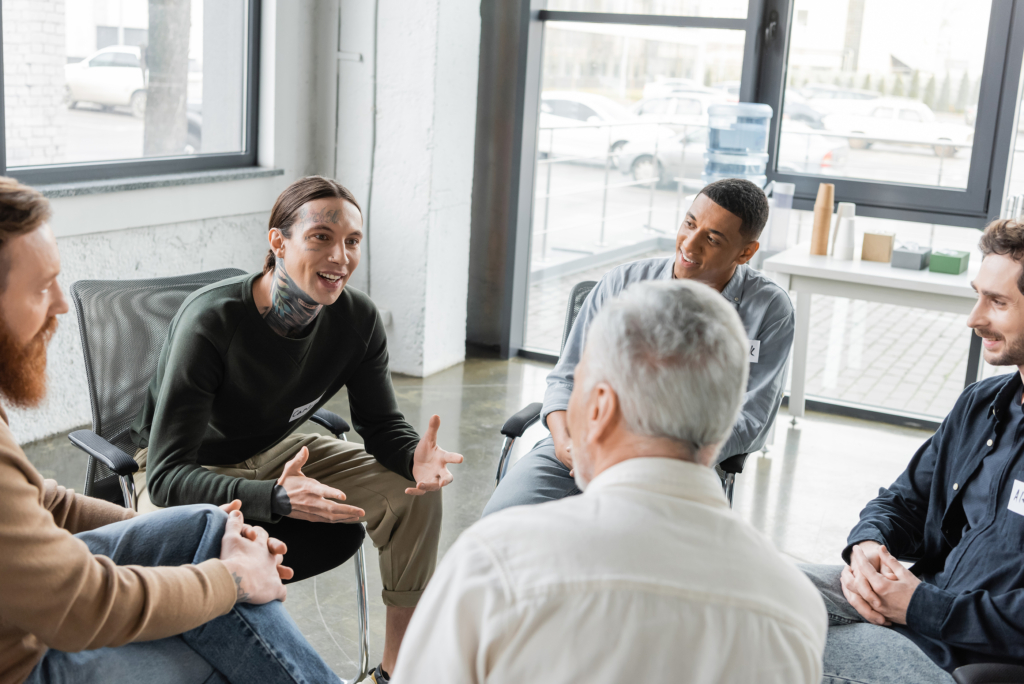
Stereotypes about addiction and mental health create invisible walls that keep people from seeking the help they need. Society often labels those struggling with substance use or mental health conditions as “weak” or “irresponsible,” but these assumptions ignore the complexity of these challenges and the potential for recovery. At The Social Challenge, we understand that recovery thrives in supportive, compassionate communities. Breaking down stereotypes and fostering understanding is essential for empowering individuals to embrace holistic, faith-based, and individualized care.
The Impact of Stereotypes on Recovery
Stereotypes can be more harmful than the conditions themselves. When individuals internalize negative perceptions, they may feel ashamed, hide their struggles, or avoid treatment altogether. This silence can delay intervention, exacerbate mental health symptoms, and increase the risk of substance use relapse. Families, friends, and communities may also unknowingly reinforce these barriers, making it difficult for individuals to access the resources they need.
Education and empathy are powerful tools for combating stereotypes. Understanding addiction as a medical condition and mental health challenges as treatable disorders helps create environments where seeking help is not only safe but encouraged.
Common Misconceptions About Addiction and Mental Health
Many people mistakenly believe that addiction results solely from personal weakness or poor choices. Mental health disorders are sometimes unfairly associated with instability or danger. These misconceptions fuel judgment and prevent supportive dialogue. Recognizing that addiction and mental illness are complex, multifaceted conditions shifts the focus from blame to healing.
Building Supportive Communities
Communities play a critical role in recovery. Supportive environments can reduce isolation, foster hope, and encourage individuals to pursue both inpatient and outpatient care. At The Social Challenge, our programs emphasize community involvement, peer support, and family engagement to strengthen resilience and accountability.
Encouraging Open Conversations
Open dialogue about mental health and substance use normalizes the recovery process and helps dismantle stereotypes. Conversations that focus on understanding, rather than judgment, allow individuals to share their experiences and access resources without fear. Families, schools, faith communities, and workplaces can all participate in creating spaces where empathy guides the discussion.
Peer Support and Family Involvement
Peer support groups allow individuals to connect with others who have shared similar experiences. These connections reduce feelings of isolation and provide practical guidance from people who understand the challenges of recovery firsthand. Family involvement is equally important, as it strengthens bonds and reinforces the notion that recovery is a shared journey supported by love and understanding.
Holistic and Faith-Based Care
Healing extends beyond clinical treatment. Holistic care integrates mental, physical, and spiritual wellness, recognizing that recovery involves the whole person. Faith-based approaches can provide purpose, hope, and guidance during challenging times. At The Social Challenge, our individualized programs ensure that treatment addresses unique needs, goals, and circumstances.
Inpatient and Outpatient Treatment Options
Inpatient care offers structure and intensive support for those needing focused attention, while outpatient programs provide flexibility for individuals managing work, school, or family responsibilities. Both options prioritize personalized care and community involvement, helping clients develop the tools necessary for long-term recovery.
Practical Steps to Reduce Stereotypes and Promote Wellness
- Use respectful, person-first language when discussing mental health or addiction.
- Educate yourself and others about the realities of substance use and mental health disorders.
- Encourage and model seeking professional care without judgment.
- Participate in community events, workshops, and support groups that promote recovery awareness.
- Offer empathy and active listening to those who are navigating their recovery journey.
Even small actions contribute to a culture where recovery is normalized and supported.
Moving Beyond Stereotypes
Recovery flourishes in communities that prioritize understanding over judgment. By challenging stereotypes and fostering empathy, we can create environments where individuals feel safe to seek care, engage in treatment, and embrace holistic healing.
At The Social Challenge, our faith-based, individualized, and holistic programs are designed to support every stage of recovery. If you or a loved one is struggling with addiction or mental health challenges, reaching out for help is a courageous first step. Contact The Social Challenge today to access compassionate care and become part of a community that uplifts, supports, and empowers long-term recovery.