The Heart of Healing: How Empathy Transforms Mental Health Recovery

Recovery from mental illness and addiction is rarely a straight path. It involves setbacks, breakthroughs, and moments of vulnerability that require more than clinical intervention alone. At the core of lasting recovery is empathy: the ability to truly understand and share in another person’s experience. When empathy leads the way, treatment becomes more than a process of managing symptoms. It becomes a journey of healing, dignity, and transformation.

Why Empathy Matters in Mental Health Recovery

Breaking Down Barriers of Stigma

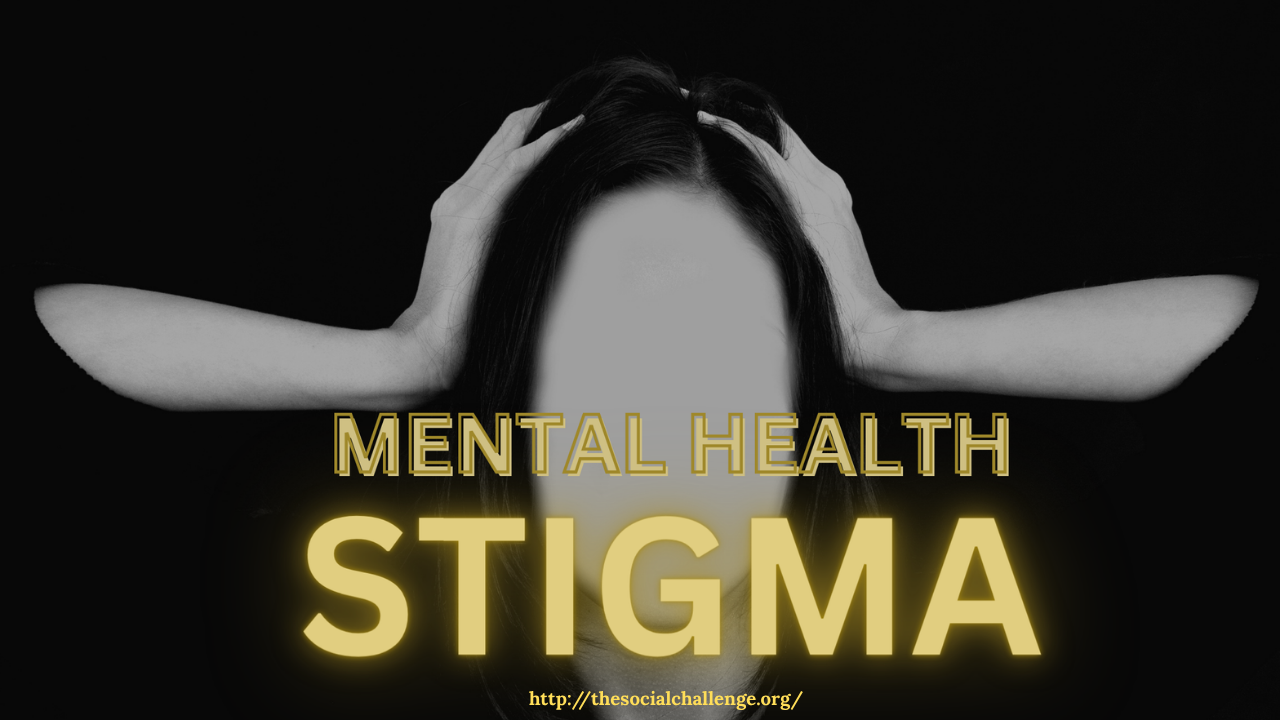
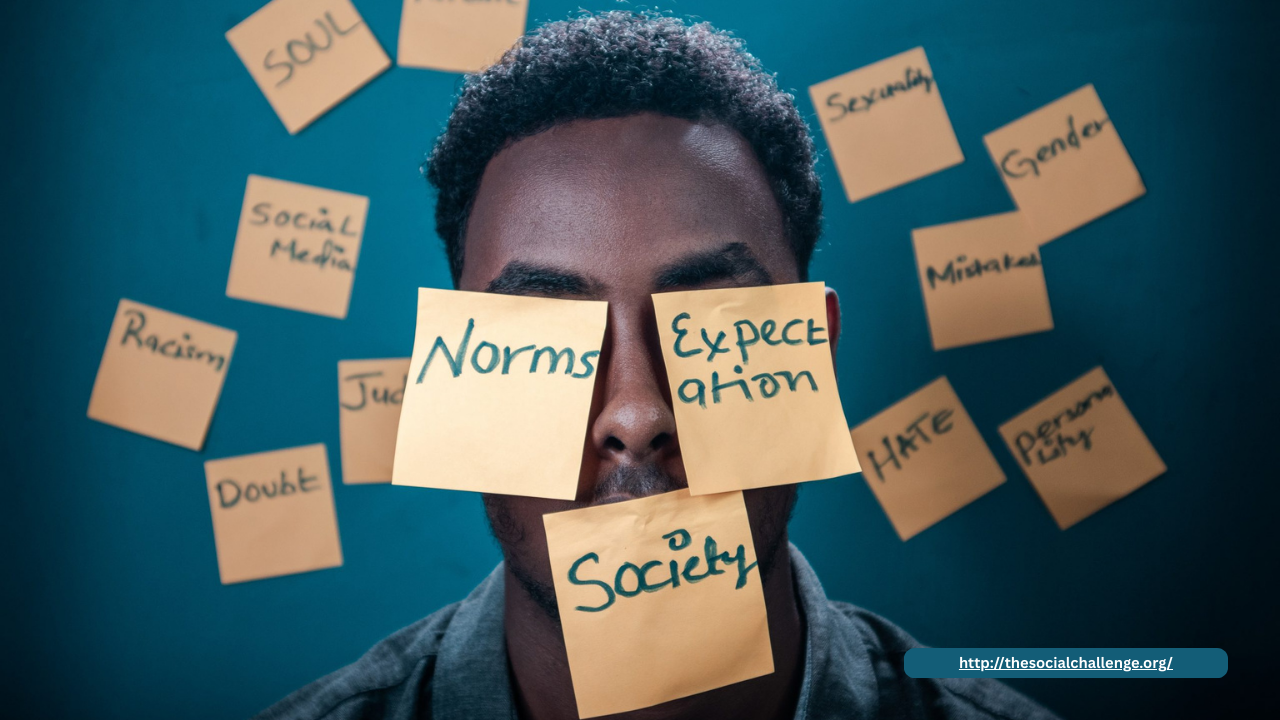
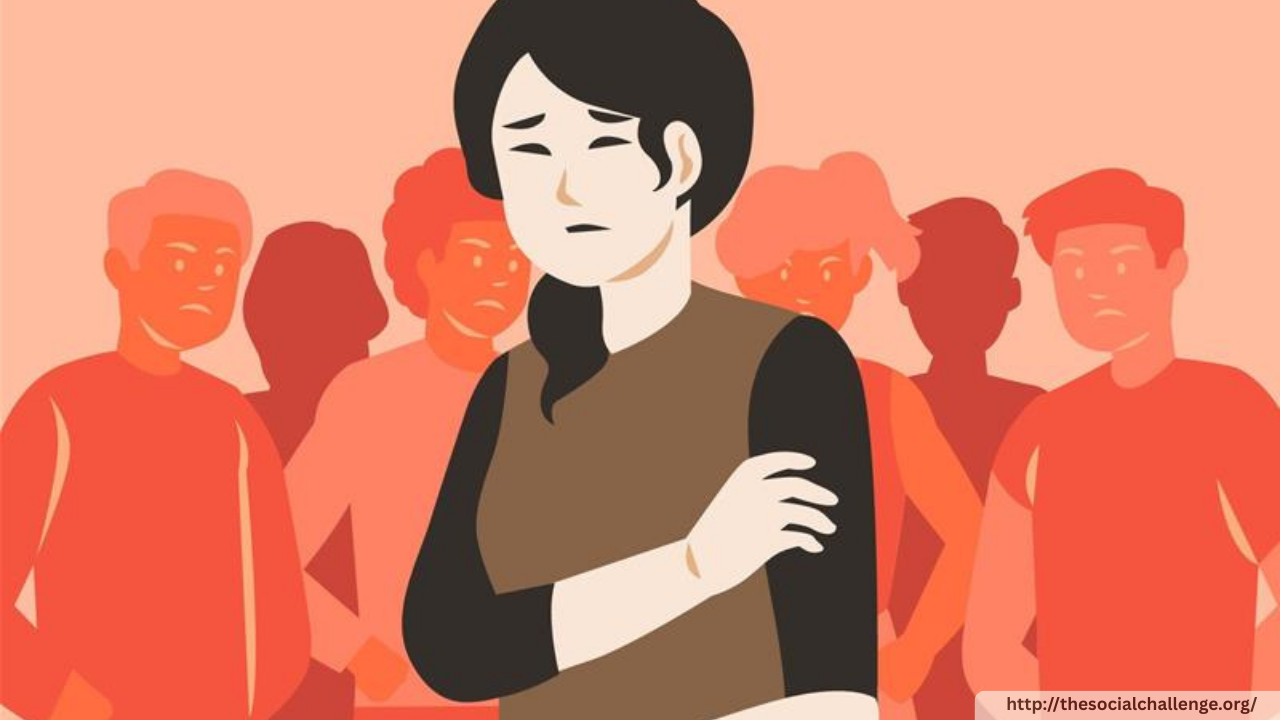
Stigma remains one of the most powerful obstacles people face when seeking help. Those living with addiction or mental illness often carry shame that makes reaching out feel overwhelming. Empathy helps to dismantle those barriers. When someone feels genuinely heard and understood, shame begins to lose its grip. Instead of being seen as a diagnosis, the individual is seen as a person with strengths, goals, and potential.

Creating Trust and Safety

Recovery requires openness. But people can only share their deepest struggles when they feel safe. Empathy creates that safety. At The Social Challenge, we recognize that listening with compassion is not optional—it is the foundation of effective care. Whether through inpatient programs, outpatient support, or counseling, our team builds trust by meeting people where they are and respecting their unique journey.

How Empathy Shapes Effective Treatment

Individualized Care that Sees the Whole Person

No two recovery stories are the same. Empathy allows professionals to see beyond surface symptoms and design treatment that addresses the whole person. At The Social Challenge, our care combines evidence-based therapies with holistic approaches such as nutrition, mindfulness, and family involvement. By treating the individual rather than just the illness, we help clients build resilience in every aspect of life.

The Role of Faith in Healing

For many, faith provides strength and meaning in recovery. Empathy also means honoring spiritual needs as part of the healing process. Our faith-based programs give clients space to explore their spirituality alongside therapy, offering a powerful source of comfort and hope. Recognizing this dimension of healing validates the experiences of those for whom faith is an essential part of life.

Inpatient and Outpatient Options with Compassionate Support

Empathy must guide care at every level, from intensive inpatient programs to flexible outpatient services. In residential care, empathy helps clients feel at home during a vulnerable time. In outpatient programs, it supports individuals as they navigate daily responsibilities while building healthier patterns. In both settings, compassionate professionals walk beside clients, reinforcing that they are not alone.

Building a Culture of Empathy in Communities

Healing is not confined to treatment centers. Families, workplaces, schools, and communities all play a role in supporting recovery. By practicing empathy in everyday interactions, we can shift the cultural narrative around addiction and mental illness. This means listening without judgment, offering encouragement, and using language that affirms rather than labels. Small acts of empathy ripple outward, creating environments where recovery is truly possible.

Take the Next Step Toward Healing

Empathy is more than kindness. It is the heartbeat of recovery, opening the door to trust, resilience, and transformation. At The Social Challenge, we are committed to providing care that is professional, holistic, faith-based, and rooted in compassion. If you or someone you love is struggling with addiction or mental health challenges, know that help is available.

Reach out today to begin your journey. Healing starts with empathy, and the first step you take could change everything.
Changing Minds, Changing Lives: Why Compassion Must Lead Mental Health Conversations

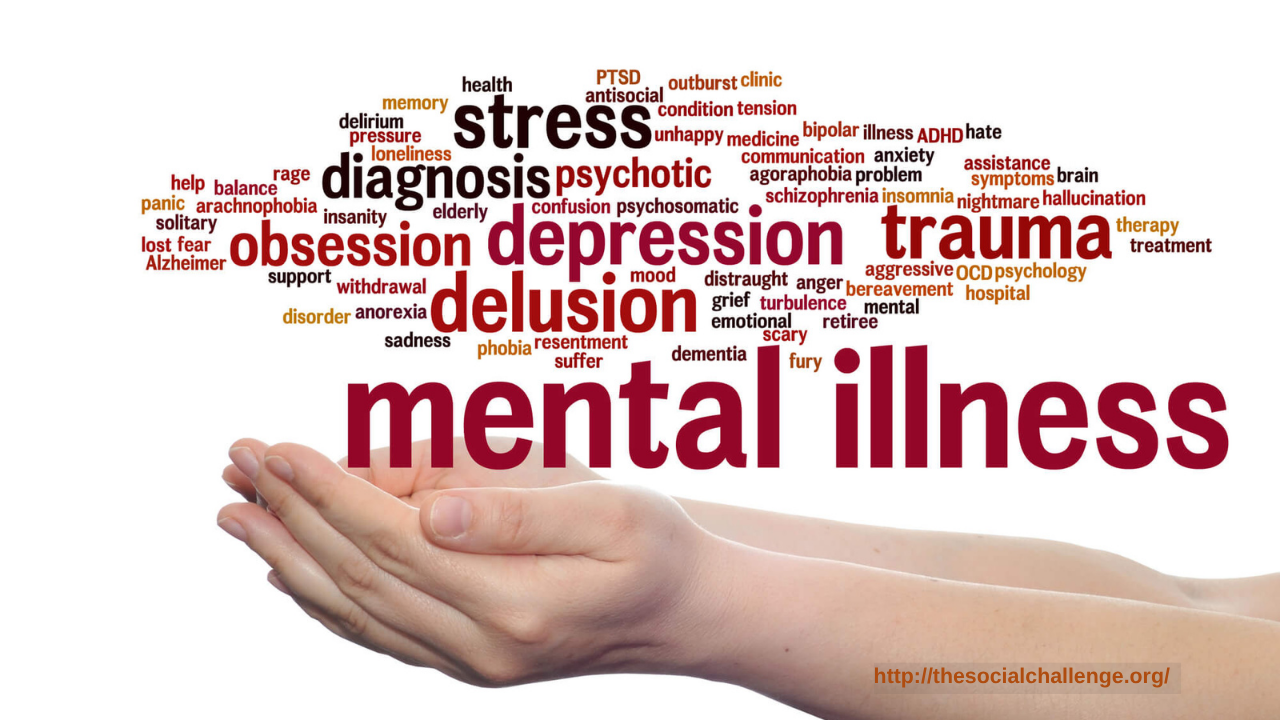
Conversations about mental health are more visible today than ever before. Yet for many individuals, opening up about struggles with depression, anxiety, trauma, or addiction still comes with fear of judgment. Too often, the focus shifts to stereotypes and stigma rather than the humanity of the person behind the struggle. At The Social Challenge, we believe that compassion is not just helpful in these conversations—it is essential. Compassion has the power to change minds, and in doing so, it can change lives.

The Role of Compassion in Mental Health

Moving Beyond Stigma

Stigma is one of the greatest barriers to mental health recovery. It creates silence, prevents individuals from seeking treatment, and can make those already in care feel ashamed of their condition. Compassion offers a direct antidote. When we approach conversations with empathy and understanding, we begin to replace misconceptions with truth. We shift the focus from “what is wrong with you” to “how can I support you.”

At The Social Challenge, we see every day how compassion transforms recovery journeys. It creates trust between clients and care providers, allows individuals to speak openly about their challenges, and fosters a safe space for real healing.

The Human Side of Care

Mental illness and addiction are not simply clinical issues. They impact the whole person—their mind, body, spirit, and relationships. Compassion allows providers, families, and communities to see beyond a diagnosis and connect with the individual’s humanity. When care is rooted in compassion, treatment becomes more than managing symptoms. It becomes about restoring dignity, building resilience, and nurturing long-term wellness.

How Compassion Shapes Effective Treatment

Individualized and Holistic Approaches

No two recovery journeys are the same. That is why our programs at The Social Challenge emphasize personalized treatment plans that honor each individual’s needs, history, and goals. Compassion plays a critical role in shaping these plans. By listening closely and without judgment, our team can provide care that integrates evidence-based therapies, faith-based practices, and holistic healing methods such as mindfulness, nutrition, and community support.

Inpatient and Outpatient Support

Compassion must be present in every level of care. Whether someone is entering inpatient treatment for intensive healing or engaging in outpatient care while balancing daily responsibilities, the presence of a supportive, understanding environment makes recovery sustainable. At every stage, our staff and community partners provide encouragement and guidance, helping individuals believe in their ability to recover.

Faith and Healing Together

For many, spiritual connection is a vital part of their healing process. Compassion in care also means respecting and nurturing faith as a source of strength. Our faith-based programs offer spiritual guidance alongside professional treatment, reminding clients that they are never alone in their struggles.

Creating a Culture of Compassion in Our Communities

Ending stigma and fostering healing requires more than treatment centers alone. Communities must also embrace compassion as a guiding principle in mental health conversations. This can happen through simple yet powerful actions: listening without judgment, using respectful language, encouraging treatment rather than hiding struggles, and offering support to those in recovery.

When compassion leads the way, communities become places of acceptance rather than isolation. Families heal, friendships strengthen, and individuals find the courage to seek the help they need.

Take the First Step Toward Healing

If you or someone you love is living with mental health challenges or addiction, know that compassion and support are waiting for you. At The Social Challenge, we are committed to walking beside you with care that is individualized, holistic, and rooted in understanding. Recovery is not just about treatment—it is about rewriting your story with hope and dignity.

Reach out today to learn more about our programs and begin your journey toward healing. Changing minds begins with compassion, and changing lives starts with the decision to seek support.

From Stigma to Support: Rewriting the Story of Mental Illness

Mental illness has long carried a burden of silence, shame, and misunderstanding. For many individuals and families, the fear of being judged has often outweighed the desire to seek help. At The Social Challenge, we believe it’s time to rewrite that story. With the right support, compassionate care, and informed communities, we can transform the narrative surrounding mental health from one rooted in stigma to one that embraces healing, dignity, and hope.

Understanding the Impact of Stigma

How Misconceptions Harm Recovery

Stigma surrounding mental illness and addiction isn’t just a social issue. It directly impacts how individuals approach treatment and recovery. When people internalize negative beliefs about their condition, they are less likely to seek support or believe in their ability to heal. This cycle of shame leads to isolation, worsening symptoms, and in many cases, a delay in receiving life-changing care.

At The Social Challenge, we regularly work with individuals who have experienced the weight of these misconceptions. Through our individualized and holistic treatment programs, we help them regain confidence in their identity and rediscover the strength within themselves to recover and thrive.

Breaking Down the Stereotypes

Mental illness does not discriminate. It affects people from all walks of life—regardless of age, background, income, or faith. Conditions like depression, anxiety, PTSD, and substance use disorder are not signs of weakness. They are health conditions that require clinical care, spiritual restoration, and emotional support.

When we begin to speak openly about these issues, we start to shift the narrative. Talking about mental health should be as normal and accepted as discussing any other medical concern. It’s this shift that leads to stronger communities, healthier families, and empowered individuals.

The Social Challenge Approach: Compassionate, Client-Centered Healing

A Safe Place to Be Heard and Heal

Our inpatient and outpatient mental health programs are designed to provide not just clinical care, but emotional safety. We understand that each person’s journey is different, which is why we build customized treatment plans that align with individual needs, goals, and values.

Our approach integrates faith-based healing, holistic therapies, and evidence-based clinical support. We address not only the symptoms but the root causes, such as trauma, grief, or unresolved emotional wounds. Clients at The Social Challenge don’t just learn to cope—they learn to heal from within.

Support Beyond the Diagnosis

Recovery is more than a diagnosis or discharge date. It’s a lifelong process of growth and transformation. That’s why we offer ongoing support, relapse prevention tools, spiritual mentorship, and peer community connections. When individuals are surrounded by a network that believes in their recovery, they are far more likely to achieve long-term wellness.

Shaping a Healthier Future Together

What You Can Do to End the Stigma

Ending the stigma around mental illness begins with us—individually and collectively. You can:

  • Speak openly and compassionately about mental health
  • Educate yourself and others on the realities of mental illness and addiction
  • Offer support rather than judgment when someone is struggling
  • Encourage loved ones to seek professional care without shame

When we choose support over silence, we create space for healing to begin.

Take the First Step Toward Healing Today

If you or someone you love is living with the effects of mental illness or addiction, know that you are not alone. At The Social Challenge, we are committed to walking alongside you with compassion, faith, and individualized care that treats the whole person. Your story does not end with a diagnosis—it begins with recovery.

Contact us today to learn more about our mental health and addiction recovery services. Together, we can rewrite the story—and it starts with support.

Beyond the Label: Embracing Humanity in Mental Health Care

In a world that increasingly recognizes the importance of mental health, one crucial truth remains often overlooked: individuals are more than their diagnosis. Too frequently, people facing mental health challenges are reduced to clinical labels—“depressed,” “bipolar,” “schizophrenic”—as if a single word could capture the depth of their identity, experience, and worth. These labels, while useful in medical contexts, can unintentionally strip individuals of their humanity. True progress in mental health care begins when we look beyond the label and embrace the whole person.

The Problem with Labels

Medical diagnoses are necessary for treatment, but when used carelessly, they can reinforce stigma and limit understanding. A label can quickly become a judgment, casting a shadow over someone’s abilities, personality, and potential. It can create distance between individuals and those around them, especially when the public associates mental health terms with fear, unpredictability, or danger.

This reductionist view can also affect how people see themselves. When someone internalizes a diagnosis as their identity, it may lead to shame, hopelessness, or self-doubt. Instead of feeling empowered to seek help, they may withdraw or hide their struggles, further worsening their condition.

Seeing the Person, Not the Disorder

Mental health care should begin with one powerful principle: every person deserves to be seen, heard, and valued beyond their condition. Behind every diagnosis is a human being with unique stories, strengths, and dreams. By focusing on the whole person rather than just the symptoms, care providers and loved ones can offer more meaningful support and foster true healing.

This person-centered approach requires empathy and genuine connection. It means listening without judgment, offering kindness instead of criticism, and recognizing that a person’s worth is not diminished by their struggles. A supportive environment that prioritizes dignity and respect can make all the difference in a person’s recovery journey.

Transforming Mental Health Culture

To embrace humanity in mental health care, society as a whole must evolve. This includes shifting from a problem-based model to a recovery-oriented one—where treatment is about building a fulfilling life, not just managing symptoms. Mental health professionals, educators, employers, and community members all have a role to play in this transformation.

Training in trauma-informed care, cultural sensitivity, and compassionate communication can equip providers to better serve diverse populations. Meanwhile, media and public discourse should highlight stories of resilience, creativity, and recovery, challenging the stereotypes that still persist.

The Power of Compassionate Connection

When we look beyond the label, we open the door to connection. We begin to understand that mental illness is only one part of a person’s life—not the whole story. Compassionate care is about walking beside someone in their journey, not diagnosing them from a distance. It’s about creating a world where people feel safe, supported, and empowered to heal.

In the end, embracing humanity in mental health care is not just about improving systems—it’s about honoring the dignity of every individual. Because healing happens not in isolation, but in connection—with understanding hearts and open minds leading the way.

Turning the Tide: How We Can Shift Public Attitudes Towards Addiction and Mental Disorders

Addiction and mental health disorders are among the most pressing health issues of our time, yet they remain surrounded by stigma, misinformation, and social judgment. For decades, people facing these challenges have been viewed through a lens of blame and shame, often labeled as weak, dangerous, or hopeless. This harmful mindset prevents many from seeking help and fuels cycles of silence and suffering. However, there is hope for change. By turning the tide of public attitudes, we can create a more supportive, educated, and compassionate society where healing and recovery are possible for all.

Understanding the Problem of Stigma

Stigma is a powerful social force that can isolate individuals struggling with addiction or mental illness. It often starts with misunderstanding—many still believe that addiction is a moral failing or that mental disorders are signs of personal weakness. These misconceptions lead to prejudice, discrimination, and exclusion. People living with these conditions may face rejection from family members, friends, workplaces, and healthcare providers. This rejection reinforces feelings of guilt, shame, and loneliness, making recovery even more difficult.

Stigma also impacts the broader healthcare and legal systems. Instead of being treated with the care they need, many individuals are punished, ignored, or left without access to affordable, effective treatment. Changing public attitudes is crucial for reversing this trend.

The Role of Education and Awareness

Education is the foundation of changing perceptions. When the public learns that addiction is a brain disease and that mental health disorders are medical conditions, attitudes begin to shift. It’s important to replace outdated myths with facts. Addiction is not simply about poor choices; it is a chronic illness that alters the brain’s chemistry and behavior. Likewise, mental disorders like depression, anxiety, and bipolar disorder are not character flaws—they are health issues that require treatment and support.

Schools, workplaces, and media platforms should promote mental health literacy and provide training on how to recognize signs of addiction and mental illness. Public awareness campaigns can highlight the reality of recovery, share stories of resilience, and emphasize the importance of seeking help early.

Normalizing Conversations

Open dialogue is a powerful way to break the silence around addiction and mental health. When people share their personal stories, they humanize these issues, showing that anyone can be affected regardless of background or status. Conversations about mental health should be as normal as discussions about physical health. This creates safe spaces for people to express their struggles without fear of judgment.

Promoting Compassionate Policies

To truly shift public attitudes, communities and governments must support policies that treat addiction and mental illness with care, not punishment. This includes improving access to treatment, expanding mental health services, supporting harm reduction programs, and offering second chances to those in recovery. Compassionate laws and workplace policies can help reduce stigma and create an environment where recovery is possible.

A Call for Collective Change

Turning the tide of public opinion won’t happen overnight, but it is possible through consistent effort and shared responsibility. By promoting empathy, education, and open conversation, we can replace stigma with support. Together, we can create a society where addiction and mental health challenges are met with understanding, not judgment—and where recovery is embraced as a courageous, human journey.

A New Perspective: The Need for Compassion in Addressing Mental Health and Addiction

Mental health and addiction are deeply intertwined struggles that affect millions of people around the world. Despite growing awareness, society still often approaches these issues with judgment, fear, and misunderstanding. For too long, those suffering have been met with blame instead of support, silence instead of empathy. What’s needed now more than ever is a new perspective—one grounded in compassion. When we choose compassion over criticism, we open the door to healing, reduce stigma, and build communities where people feel safe to seek help.

Breaking the Cycle of Judgment

Historically, addiction has been viewed as a personal failure or lack of discipline, while mental illness was seen as weakness or something to be hidden. These harmful views have led to silence, shame, and isolation. People suffering from depression, anxiety, or substance use disorders often fear being judged, and this fear can prevent them from reaching out for the support they desperately need.

But research and lived experience tell a different story. Mental illness and addiction are medical conditions, often rooted in trauma, genetics, and environmental factors. They are not moral failings—they are health challenges that require treatment, patience, and care. By shifting our mindset from blame to understanding, we create a more effective and humane approach to recovery.

The Power of Compassion

Compassion means seeing the person behind the condition. It means recognizing that everyone has a story, and that pain often lies beneath the surface. A compassionate response to mental illness and addiction doesn’t ask, “What’s wrong with you?” but rather, “What happened to you?” and “How can I help?”

When we show compassion, we validate a person’s experience and offer them the dignity they deserve. This can be the difference between someone giving up and someone choosing to fight for their recovery. Compassion builds trust, and trust is essential in treatment and healing.

Changing How We Respond

Compassion should shape how we respond at every level—individually, socially, and systemically. On a personal level, we can listen without judgment, offer support, and educate ourselves about mental health and addiction. Simply asking someone how they’re doing and being present can make a tremendous impact.

In our communities, compassion means advocating for accessible mental health care, supporting recovery programs, and creating spaces where people feel safe to speak openly. Schools, workplaces, and faith groups can all play a role in promoting mental wellness and eliminating stigma.

On a larger scale, policy-makers must prioritize compassionate, evidence-based solutions—like treatment over incarceration, integrated care models, and long-term support for recovery. Laws and systems should be designed not to punish, but to restore and uplift.

A Call to Action

We all have a role to play in creating a more compassionate world. By choosing empathy over stigma, and understanding over fear, we can redefine how society views and addresses mental health and addiction. Healing begins when we stop judging and start caring. Compassion is not just kindness—it’s a necessity. It is the bridge that connects struggle to strength, and pain to possibility. Let’s lead with our hearts—and help others find hope.

Changing the Narrative: Moving Beyond the Stigma of Addiction in Our Communities

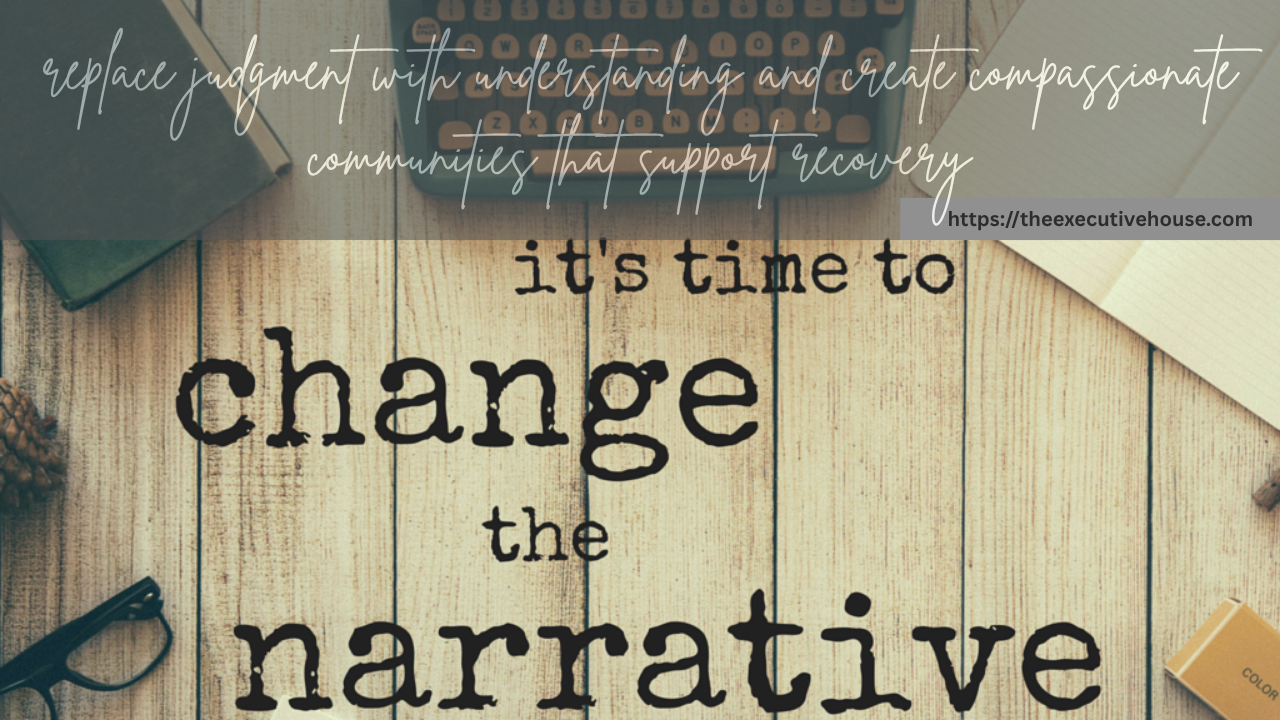
Addiction is a crisis that affects families, neighborhoods, and communities across the world. Yet despite its widespread impact, addiction remains heavily stigmatized. Many still view it as a moral weakness or personal failure rather than what it truly is—a complex, chronic medical condition. This stigma fuels silence, shame, and social isolation, making recovery harder and increasing the suffering of those already struggling. To truly address addiction, we must change the narrative. It’s time to replace judgment with understanding and create compassionate communities that support recovery.

The Damaging Power of Stigma

Stigma has a powerful hold on how addiction is perceived and treated. People battling substance use disorders are often labeled as “junkies,” “addicts,” or “hopeless cases.” These harmful stereotypes paint individuals as dangerous or morally flawed, making it difficult for them to seek help or be seen as capable of recovery.

This kind of bias doesn’t just affect personal relationships—it influences policies and access to treatment. Individuals may face discrimination in housing, employment, and healthcare, further marginalizing them and increasing the likelihood of relapse. The fear of being judged keeps many from reaching out for the help they need, sometimes until it’s too late.

A New Understanding of Addiction

Science has shown that addiction is not a choice or a lack of willpower. It is a brain disorder, often influenced by trauma, genetics, mental health conditions, and environmental factors. This new understanding should guide how we treat people with addiction—not with punishment or rejection, but with medical care, empathy, and support.

Recovery is possible, and it looks different for everyone. Some find healing through medication-assisted treatment (MAT), others through therapy, peer support groups, or spiritual practices. Communities that embrace multiple paths to recovery and meet people where they are can foster lasting change.

How Communities Can Lead the Change

Communities play a vital role in reshaping how addiction is understood. Local leaders, organizations, and everyday citizens can help break the stigma by educating themselves and others, advocating for better resources, and supporting inclusive recovery efforts.

Instead of asking “What’s wrong with them?” we can start asking, “What happened to them?” and “How can we help?” Creating safe spaces where people can share their stories without fear of judgment is one of the most powerful ways to challenge stigma and promote healing.

Supportive initiatives—like sober living programs, employment opportunities for those in recovery, and accessible mental health services—can help individuals reintegrate into society and feel valued again.

Media, Language, and Storytelling Matter

The media also has a responsibility to help change the narrative. By avoiding sensationalism and portraying addiction and recovery with honesty and sensitivity, media outlets can shape more informed and compassionate public attitudes.

Language matters, too. Using person-first language like “person with a substance use disorder” instead of “addict” can help restore dignity and shift focus from the problem to the person.

A Call to Compassion

Changing the narrative around addiction is not just about saving lives—it’s about restoring humanity. When we move beyond stigma, we create communities where healing is possible, where people feel seen and supported, and where no one is defined by their lowest moment. Let’s choose compassion, understanding, and action. Let’s rewrite the story of addiction—together.

The Silent Struggle: How We Can Break Free from the Stigma of Mental Illness

Mental illness affects millions of people worldwide, yet it remains one of the most misunderstood and stigmatized aspects of human health. From anxiety and depression to bipolar disorder and schizophrenia, mental health conditions are often met with silence, judgment, or fear. For those living with mental illness, this stigma can be as painful and debilitating as the illness itself. It isolates people, discourages treatment, and reinforces a culture where suffering is hidden instead of healed. To truly support mental well-being, we must break free from this stigma and create a society that values openness, compassion, and understanding.

The Weight of Stigma

Stigma surrounding mental illness comes in many forms—social, institutional, and internal. Social stigma includes the stereotypes and prejudices people face when they disclose a mental health condition. It can sound like, “Just get over it,” “You’re being dramatic,” or “You don’t look sick.” These dismissive comments may seem minor, but they reinforce harmful ideas that mental illness is not real, or not serious.

Institutional stigma is reflected in how our systems treat mental health. Many healthcare systems are underfunded, workplaces often lack mental health support, and laws sometimes fail to protect those with psychiatric conditions. Meanwhile, internalized stigma—the shame and guilt individuals feel about their diagnosis—can lead to silence, isolation, and reluctance to seek help.

The Impact of Staying Silent

Because of stigma, many people choose to suffer in silence. They may fear losing their job, damaging relationships, or being seen as “weak” or “unstable.” This silence is dangerous. It delays diagnosis, prevents early treatment, and can lead to worsening symptoms or even suicide.

Mental health conditions, like physical illnesses, require attention and care. When left untreated, they can interfere with every part of a person’s life—relationships, work, physical health, and sense of self. The more we keep mental illness in the shadows, the more harm we allow it to cause.

Breaking the Silence Through Conversation

The first step in dismantling stigma is talking about mental health openly and honestly. When people share their stories of living with mental illness, it humanizes the issue. It shows that mental health conditions can affect anyone—regardless of background, income, or lifestyle. These conversations create connection and let others know they are not alone.

Encouraging dialogue at home, in schools, at work, and in the media can shift public perceptions. Language matters too—saying “a person with depression” instead of “a depressed person” reminds us that people are not defined by their diagnosis.

Education and Empathy Are Key

Educating ourselves and others about mental health can combat the myths and misinformation that fuel stigma. Understanding that mental illnesses are brain-based conditions—not personal failures—helps replace judgment with empathy. Schools and workplaces should provide mental health training and promote environments where mental wellness is prioritized.

Building a Supportive Society

Breaking free from the stigma of mental illness means building a culture of compassion and inclusion. It means offering support without judgment, pushing for accessible mental health care, and celebrating courage over silence. When we normalize seeking help, we open the door to healing.

Mental illness is not a weakness, and no one should have to struggle in silence. By choosing empathy and advocacy, we can help turn a silent struggle into a shared journey toward recovery and hope.

The Cost of Stigma: How Social Bias Hinders Recovery for Those with Addiction

Addiction is a complex and deeply personal struggle, but for millions of people, the journey toward recovery is made even more difficult by an invisible barrier: stigma. Social bias against individuals with addiction doesn’t just hurt feelings—it has real and lasting consequences. It discourages people from seeking help, limits access to treatment, fuels discrimination, and reinforces cycles of shame and isolation. The cost of stigma is high, and until we confront it head-on, recovery will remain out of reach for many who desperately need support.

Stigma as a Barrier to Seeking Help

One of the most damaging effects of stigma is the way it discourages individuals from asking for help. Society often views addiction as a moral failing, a weakness, or a lifestyle choice rather than a medical condition. This perception creates a culture of blame, where those struggling with substance use disorders are treated with suspicion, shame, or even contempt. As a result, many people hide their addiction for fear of being judged or rejected.

When individuals are too ashamed to talk about their problems or access care, they often delay treatment until their situation becomes critical. Early intervention is key in effective recovery, but stigma drives people to suffer in silence—making the road to recovery longer, harder, and more dangerous.

Limited Access to Treatment and Support

Stigma doesn’t just affect personal decisions; it also shapes public policy and institutional behavior. Many healthcare systems are underfunded or poorly equipped to deal with addiction, partly because of lingering societal attitudes that prioritize punishment over rehabilitation. People with addiction may face judgmental healthcare providers, inadequate insurance coverage for treatment, or legal consequences that interfere with their ability to get care.

In some cases, individuals are denied housing, jobs, or even custody of their children due to their history of substance use, regardless of their efforts to recover. These systemic barriers reflect a deep bias that sees people with addiction as less deserving of compassion, opportunity, and dignity. This not only undermines recovery efforts but also perpetuates cycles of poverty, instability, and relapse.

The Emotional Toll of Social Judgment

Beyond the structural challenges, stigma takes an emotional toll. Internalized shame can erode self-esteem and lead to mental health issues such as depression and anxiety. People in recovery often struggle with the fear of being labeled or excluded, which can make it difficult to form healthy relationships or reintegrate into society.

This emotional burden can lead to a sense of hopelessness, where individuals begin to believe the negative things society says about them. Recovery requires a belief in change, and stigma often crushes that belief before it can take root.

Breaking the Cycle of Stigma

The good news is that stigma is not permanent—it’s a product of misunderstanding, and it can be changed. Through education, open dialogue, and inclusive policies, we can reshape how society views addiction. When we listen to the stories of people in recovery, highlight their successes, and treat addiction as a health issue rather than a crime, we create a foundation for healing.

The cost of stigma is too high to ignore. It keeps people sick, isolated, and excluded from the very resources that could save their lives. But with empathy, understanding, and systemic change, we can break down the barriers that hinder recovery and build a society where healing is possible for all.

The Importance of Sleep: Why Rest is Crucial for Overall Health

In a world that glorifies hustle and productivity, sleep is often overlooked or sacrificed in the name of getting more done. Yet, sleep is one of the most important pillars of overall health, as essential as proper nutrition and regular exercise. When we sleep, our bodies and minds undergo vital restorative processes that affect every aspect of our well-being—from physical recovery to emotional stability and cognitive function.

1. Physical Restoration and Healing

During sleep, the body undergoes crucial repair and maintenance. Muscles grow and heal, tissues regenerate, and the immune system is strengthened. Growth hormone, which plays a significant role in recovery and cell repair, is released primarily during deep sleep. Without enough quality rest, the body struggles to heal from daily wear and tear, making you more vulnerable to illness, injury, and chronic conditions such as heart disease and diabetes.

2. Brain Function and Memory Consolidation

Sleep is essential for healthy brain function. It supports learning, problem-solving, decision-making, and memory. During the different stages of sleep, especially REM (Rapid Eye Movement) sleep, the brain processes and stores information gathered throughout the day. This is when short-term memories are consolidated into long-term ones. Inadequate sleep can lead to poor concentration, difficulty thinking clearly, and forgetfulness.

3. Emotional Balance and Mental Health

A good night’s sleep is closely linked to emotional regulation. When you’re well-rested, you’re more equipped to handle stress, make rational decisions, and respond calmly to challenging situations. On the other hand, sleep deprivation can increase feelings of irritability, anxiety, and depression. In fact, chronic lack of sleep has been associated with a higher risk of developing mental health disorders.

4. Immune System Support

Sleep boosts the immune system by enhancing the production of cytokines, a type of protein that helps fight infection and inflammation. When you don’t get enough rest, your body has a harder time fending off illnesses. That’s why people who are sleep-deprived are more likely to catch colds or take longer to recover when they’re sick.

5. Weight Management and Hormonal Balance

Lack of sleep can disrupt the hormones that regulate hunger—ghrelin and leptin. Ghrelin stimulates appetite, while leptin signals fullness. When you don’t get enough rest, ghrelin levels rise and leptin levels drop, leading to increased hunger and cravings, especially for unhealthy foods. Over time, this can contribute to weight gain and metabolic issues.

6. Better Performance and Productivity

Quality sleep leads to improved alertness, faster reaction times, and better decision-making. Whether you’re a student, professional, athlete, or parent, getting enough rest will enhance your performance in daily tasks. Sleep helps you stay focused, creative, and motivated.

Conclusion

Sleep is not a luxury—it’s a necessity for a healthy, balanced life. By prioritizing 7–9 hours of quality sleep each night, you support your physical health, mental clarity, emotional resilience, and overall well-being. Creating a relaxing bedtime routine, limiting screen time before bed, and maintaining a consistent sleep schedule are simple yet powerful steps toward better rest. In the end, good sleep is the foundation upon which a healthy life is built.